Planning a winter trip to Japan for the New Year holidays in 2026? You’re not alone. Between December 28 and January 4, Japan experiences one of the most intense domestic travel surges in the world, as millions of residents return to hometowns for shogatsu (New Year) celebrations and hatsumode (the first shrine visit of the year). If you’re picturing a peaceful bullet train ride through snow-dusted countryside, the reality of packed Shinkansen platforms and sold-out reserved seats can be a rude awakening. The good news: with a bit of planning, you can dodge the worst of the crowds using alternative train routes, off-peak timing, and smart booking strategies. This 2026 guide breaks down exactly how.
Why New Year Travel in Japan Is So Crowded
Unlike Golden Week or Obon, New Year travel in Japan is driven almost entirely by domestic movement. Japanese families travel en masse between December 28-30 (heading home) and January 2-4 (returning to cities), creating two sharp peaks. Add in winter break tourists chasing snow festivals, illumination displays, and ski resorts, and popular Shinkansen lines like the Tokaido Shinkansen (Tokyo-Nagoya-Kyoto-Osaka) can sell out reserved seating weeks in advance. As of 2026, JR Central and JR East continue to see record post-pandemic passenger numbers during this window, so assuming you can just show up and buy a ticket is risky.
Know the Peak Dates for 2026
For the 2025-2026 New Year period, expect the heaviest congestion on these dates:
- December 27-30, 2025: Outbound rush from major cities to regional hometowns
- December 31-January 1: Relatively quieter travel day (many people already home), but hatsumode crowds spike at shrines
- January 2-4, 2026: Return rush back to Tokyo, Osaka, and Nagoya
If your itinerary is flexible, shifting travel dates by even 24-48 hours outside these windows can dramatically reduce congestion.
Alternative Train Routes to Avoid the New Year Travel Rush
1. Skip the Tokaido Shinkansen Bottleneck
The Tokyo-Nagoya-Kyoto-Osaka corridor is the single busiest rail route in Japan during New Year. Instead of fighting for Nozomi seats, consider the Hokuriku Shinkansen route via Kanazawa. Traveling from Tokyo to Kanazawa, then connecting via the Thunderbird limited express to Kyoto or Osaka, adds roughly 45-60 minutes but often has significantly better seat availability, plus you get bonus scenery through the Japanese Alps and Sea of Japan coastline.
2. Use the Chuo Line/Shinano Limited Express Corridor
Travelers heading between Tokyo and Nagoya or onward to Osaka can use the Chuo Line to Nagano, then the Shinano Limited Express toward Nagoya, bypassing Tokaido Shinkansen congestion entirely. This route is popular with rail enthusiasts but remains underused by mainstream tourists, meaning better odds of finding non-reserved or reserved seats even during peak days.
3. Consider the Sea of Japan Coastal Route
Instead of the standard Pacific coast path, travelers going from Tokyo/Kanto toward western Japan can take the Joetsu Shinkansen to Niigata, then use limited express and local lines along the Sea of Japan coast toward Kanazawa, Toyama, or even Kyoto. This route is longer but far less crowded, and offers dramatic winter coastal scenery rarely seen by first-time visitors.
4. Local and Rapid Trains for Short-to-Mid Distance Trips
For journeys under 3 hours, skip the Shinkansen altogether. Local and rapid trains (futsu and kaisoku) don’t require seat reservations, run frequently, and are dramatically less crowded than reserved Shinkansen cars during peak dates. The trade-off is travel time, but for routes like Kyoto-Osaka-Kobe or Tokyo-Yokohama-Kamakura, this is often the smarter choice in late December.
5. Overnight Highway Buses as a Backup
While not trains, overnight highway buses (yakou bus) remain a reliable backup when Shinkansen seats are sold out. Routes like Tokyo-Osaka or Tokyo-Kyoto run frequently even during New Year, and modern buses offer surprisingly comfortable reclining seats, curtains, and charging ports for a fraction of Shinkansen prices.
JR Pass 2026: Is It Worth It for New Year Travel?
As of 2026, the Japan Rail Pass (following the October 2023 price increase) costs 50,000 yen for a 7-day ordinary pass, 80,000 yen for 14 days, and 100,000 yen for 21 days (adult ordinary class; prices subject to periodic revision, so always confirm on the official JR Pass website before booking). During New Year, the JR Pass still allows seat reservations on most Shinkansen lines (excluding Nozomi and Mizuho), which can actually work in your favor: reserving early via the JR East or JR West app the moment your dates are confirmed secures your seat before the rush hits. If you’re taking multiple long-distance trips during your trip, the pass remains cost-effective, but for short single-route travel, calculate individual ticket prices first, as the pass may not break even at current rates.
IC Card Tips for Winter Travel (Suica/Pasmo Updates)
For local and regional trains along your alternative routes, an IC card like Suica or Pasmo remains essential. As of 2026, mobile Suica continues to support Apple Pay for iPhone users, and physical Welcome Suica cards (temporary tourist versions) remain available at major airports and stations for travelers without compatible foreign cards. Note that IC cards are not valid for reserved Shinkansen seating but work perfectly for local/rapid train alternative routes, subway transfers, and convenience store purchases to stock up on warm snacks before a long ride.
Cold-Weather Preparation Tips
- Layer with heattech-style thermal base layers, available cheaply at Uniqlo stores nationwide
- Pack a compact heat pack (kairo) for platforms, which can get bitterly cold especially in Nagano, Niigata, and Hokuriku regions
- Wear waterproof, non-slip footwear if your alternative route passes through snow regions like Kanazawa or Nagano
- Carry a portable charger, as cold weather drains phone batteries faster, and you’ll want GPS/train apps working during transfers
Hatsumode Crowd Avoidance Strategies
If part of your trip includes hatsumode (first shrine visit), avoid major shrines like Meiji Jingu or Fushimi Inari on January 1-3 during peak hours (10am-4pm). Instead, visit smaller local shrines, or go very early morning (before 7am) or late evening. Combining an alternative train route with a lesser-known shrine destination lets you experience the tradition without the crushing crowds seen on national news broadcasts.
Booking Tips and Reservations
Reserve Shinkansen seats as early as one month in advance via the official JR East, JR West, or JR Central reservation apps (available in English as of 2026). For alternative routes through Hokuriku or the Sea of Japan coast, reservations open at the same window but tend to have more availability closer to your travel date. Always have a backup plan, whether that’s a local train option or overnight bus, in case your preferred reserved seat sells out.
Sample Alternative Itinerary: Tokyo to Kyoto via Kanazawa
Tokyo Station to Kanazawa via Hokuriku Shinkansen (about 2.5 hours), then Kanazawa to Kyoto via Thunderbird Limited Express (about 2 hours). Total travel time is roughly 4.5-5 hours compared to 2.5 hours on the direct Tokaido Shinkansen, but with far better availability and a scenic stopover opportunity in Kanazawa, known for Kenrokuen Garden’s winter illumination.
Final Thoughts
New Year travel in Japan doesn’t have to mean stress and sold-out trains. By choosing alternative routes like the Hokuriku Shinkansen, Sea of Japan coastal lines, or simply shifting to local trains for shorter hops, you can enjoy a calmer, more scenic winter journey in 2026. Combine this with smart IC card use, cold-weather layering, and early reservations, and your New Year trip to Japan can be memorable for the right reasons.
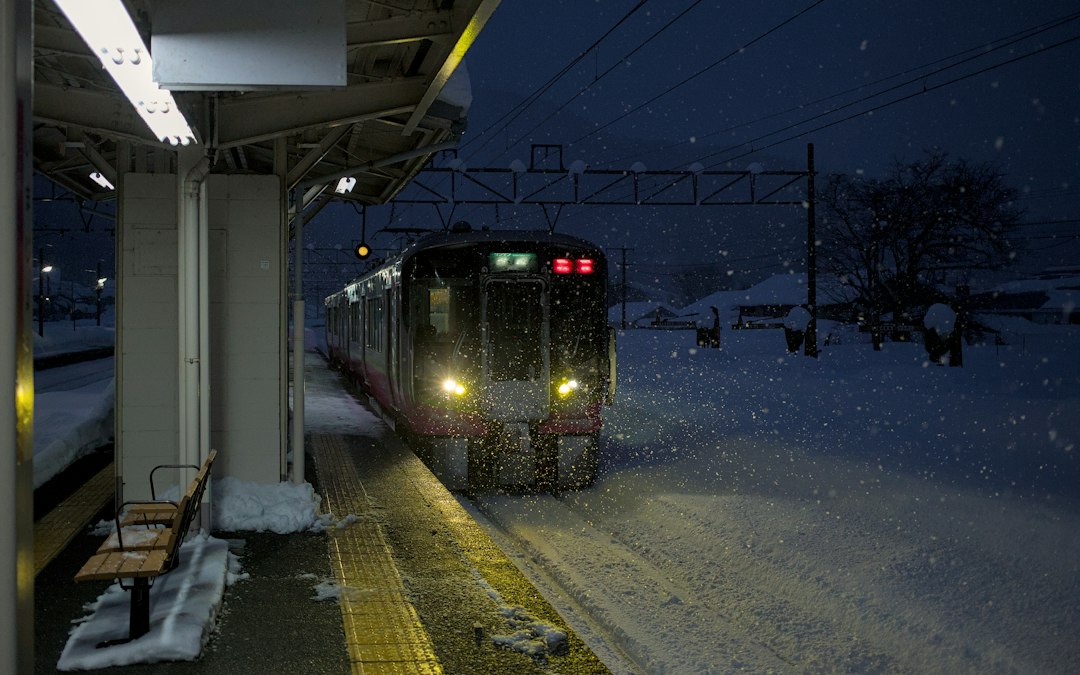
Photo by Julien on Unsplash