Why Currency Exchange Wait Times Matter for Japan Arrivals in 2026
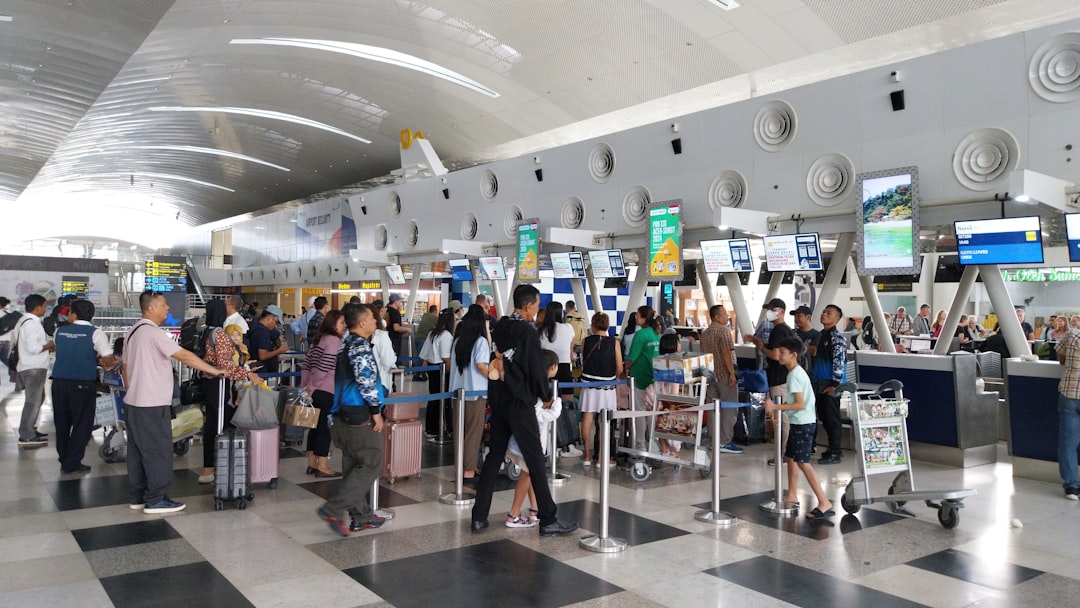
Landing in Japan in 2026 is easier than ever thanks to relaxed post-pandemic entry rules and a booming inbound tourism market, but that same popularity means one thing has gotten noticeably worse: the queues at airport currency exchange kiosks. With visitor numbers at record highs and the yen remaining attractive to foreign travelers, exchange counters at Narita, Haneda, and Kansai International Airport regularly see wait times of 20 to 60 minutes during peak arrival banks. This guide breaks down exactly what to expect at each major airport in 2026, when the lines are worst, and how to get yen in your pocket faster using ATMs, IC cards, and smarter pre-trip planning.
Airport-by-Airport Wait Time Breakdown (2026)
Narita International Airport (NRT)
Narita remains the busiest gateway for long-haul international flights, and its currency exchange counters in Terminals 1 and 2 are notorious bottlenecks. As of 2026, travelers report average waits of 15-25 minutes during off-peak hours, but this balloons to 45-60+ minutes between 10:00 and 14:00 when multiple wide-body flights from Europe and North America land in close succession. Only a handful of counters are staffed per terminal, and each transaction (especially for larger bills or multiple currencies) can take several minutes.
Haneda Airport (HND)
Haneda’s International Terminal 3 is generally more efficient than Narita, with automated exchange machines supplementing staffed counters. Typical waits in 2026 run 10-20 minutes, though late-evening arrivals (a common landing window for flights from the US West Coast) can push this to 30-40 minutes. Haneda’s proximity to central Tokyo makes it tempting to skip the airport exchange altogether and use a city ATM instead, which we recommend below.
Kansai International Airport (KIX)
KIX serves Osaka, Kyoto, and the wider Kansai region, and its exchange kiosks see heavy congestion around early-morning arrivals from Southeast Asia and China. Expect 20-35 minute waits during the 08:00-11:00 rush in 2026, with shorter waits (under 15 minutes) in the afternoon.
Chubu Centrair International Airport (NGO)
As a smaller hub, Centrair offers the shortest average waits of Japan’s major international airports, typically under 10 minutes even during busier periods, making it a relatively stress-free option for travelers connecting through Nagoya.
Peak Hours to Avoid in 2026
- Narita: 10:00-14:00 (multiple long-haul arrivals converge)
- Haneda: 20:00-23:00 (evening long-haul arrivals)
- Kansai: 08:00-11:00 (morning Asia-Pacific arrivals)
- All airports: the first and last weeks of major Japanese holiday periods (New Year, Golden Week in late April/early May, and Obon in mid-August) see extended waits due to overlapping tourist and domestic travel surges
Faster Alternatives to Airport Kiosks
1. Convenience Store and Post Office ATMs
Once you clear immigration, skip the exchange counter and head straight for a 7-Eleven (Seven Bank) ATM, found in nearly every convenience store nationwide, or a Japan Post Bank ATM. These accept most foreign-issued Visa, Mastercard, JCB, UnionPay, and American Express cards and dispense yen directly from your home bank account, often with better rates and far shorter lines than airport kiosks. As of 2026, Seven Bank ATMs inside airport arrival halls remain a reliable, low-wait option even during peak hours.
2. IC Cards: Suica and Pasmo Updates for 2026
Japan’s IC transit cards have become significantly more traveler-friendly. As of 2026, the Welcome Suica and Pasmo Passport mobile versions can be added directly to Apple Pay and Google Wallet from your smartphone before you even land, letting you top up with a registered foreign credit card without touching a physical kiosk. Mobile Suica and Pasmo now support a wider range of international Visa and Mastercard issuers than in previous years, dramatically reducing the need for physical yen on arrival for trains, buses, and convenience store purchases. Physical IC card kiosks at airports still see queues, but the mobile-wallet route bypasses them entirely.
3. Pre-Ordering Yen Before You Fly
Many travelers now order yen online through their home bank or a service like Travelex before departure, picking up a sealed pack at a designated counter (often with a dedicated, much shorter pre-order line) or having it delivered domestically ahead of the trip. This is one of the most reliable ways to guarantee minimal wait time at the airport itself.
4. No-Foreign-Transaction-Fee Credit Cards
Since Japan remains a highly card-friendly country in 2026, with contactless payment accepted at the vast majority of restaurants, convenience stores, and retail chains, many travelers now carry only a modest amount of cash and rely primarily on a no-foreign-transaction-fee credit card, reserving cash for smaller izakayas, temples, and rural areas that remain cash-only.
Tax-Free Shopping and Cash Needs in 2026
Japan’s consumption tax remains at 10% (8% for eligible food and beverages) as of 2026. Tax-free shopping is available at eligible stores for purchases over 5,000 yen (before tax) per person per day, provided you present your passport at checkout. While tax-free refunds are typically processed instantly via card at the register, some travelers still prefer having cash on hand for smaller shops that only handle the paperwork manually, so factor this into how much yen you actually need on arrival rather than exchanging a large lump sum immediately.
JR Pass and Cash Considerations
Since the October 2023 price revision, the Japan Rail Pass remains at its increased rate in 2026, with the 7-day ordinary pass priced at 50,000 yen for adults (prices vary by pass duration and green/ordinary class). Because JR Pass exchange and IC card top-ups at station counters can also involve queues, it’s worth activating your JR Pass reservation online in advance and loading your IC card via 7-Eleven ATM cash rather than waiting at the airport exchange counter specifically for this purpose.
Tips to Minimize Airport Exchange Wait Times
- Exchange only a small amount at the airport (10,000-20,000 yen) to cover transport and immediate needs, then use ATMs in the city for the rest
- Use Seven Bank or Japan Post ATMs in the arrivals hall instead of staffed exchange counters whenever possible
- Set up Mobile Suica or Pasmo Passport on your phone before departure
- Avoid exchanging money during the 10:00-14:00 window at Narita or 20:00-23:00 at Haneda
- Consider pre-ordering yen through your home bank for pickup or delivery before your trip
- Carry a no-foreign-transaction-fee credit card as your primary payment method
Frequently Asked Questions
How long is the wait at Narita currency exchange in 2026?
Expect 15-25 minutes during quieter periods and up to 45-60 minutes during the 10:00-14:00 peak arrival window.
Is it better to exchange money at the airport or in the city?
City-based ATMs and post office machines generally offer comparable or better rates with far shorter waits, so exchanging only a small amount at the airport and topping up in the city is the most efficient 2026 strategy.
Can I use my foreign credit card for Suica or Pasmo in 2026?
Yes. As of 2026, Mobile Suica and Pasmo Passport support a growing list of international Visa and Mastercard issuers via Apple Pay and Google Wallet, though you should always verify compatibility with your specific card issuer before departure, as coverage can change.
Final Thoughts
Airport currency exchange kiosks in Japan remain convenient but increasingly congested in 2026 due to record tourist arrivals. The smartest approach is to treat the airport counter as a backup rather than your primary source of cash: grab just enough yen to get into the city, then rely on ubiquitous 7-Eleven ATMs, mobile IC cards, and contactless credit cards for the rest of your trip. A little preparation before you fly can save you nearly an hour standing in line on your first day in Japan.
Photo by Edwin Petrus on Unsplash