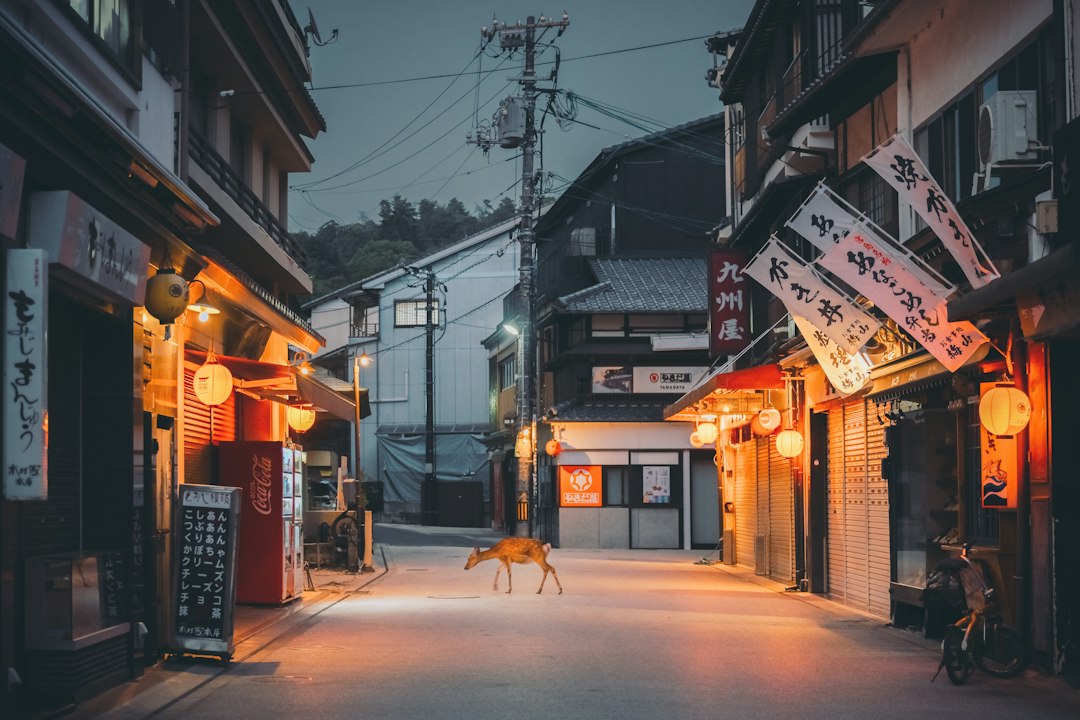
In 2026, Japan continues to break tourism records, and Kyoto’s Gion, Osaka’s Dotonbori, and Tokyo’s Shibuya Crossing are more crowded than ever. But just a few hours away by train sit dozens of hidden gem towns where you can still experience authentic Japanese culture, empty temple courtyards, and warm local hospitality without fighting through selfie sticks. This guide rounds up the best off the beaten path destinations across the country, along with updated 2026 practical tips on JR Pass pricing, IC cards, visas, and tax-free shopping so you can plan a smarter, less crowded itinerary.
Why Skip the Crowds and Explore Underrated Towns
Overtourism has become a real problem in Japan’s biggest cities, with local governments in Kyoto and Fujikawaguchiko even introducing crowd-control measures. Choosing underrated towns instead isn’t just about avoiding lines — it’s about better cultural exchange, lower prices, and a more relaxed pace. Regional dispersion, spreading your trip across lesser-visited prefectures, also helps support local economies that rarely see international visitors and reduces strain on Japan’s most famous sites.
12 Hidden Gem Japanese Towns Off the Beaten Path
1. Ouchi-juku, Fukushima
This perfectly preserved Edo-period post town features thatched-roof buildings lining a single dirt road, with almost no tour buses. Reachable via the scenic Aizu Railway from Aizu-Wakamatsu, it’s a fantastic alternative to overcrowded Shirakawa-go, especially in winter when snow blankets the roofs.
2. Kinosaki Onsen, Hyogo
A classic hot spring town where visitors stroll canal-side streets in yukata, hopping between seven public bathhouses. Just 2.5 hours from Kyoto by limited express train, Kinosaki offers the traditional onsen-town atmosphere many travelers expect from Kyoto but rarely find there.
3. Tsuwano, Shimane
Nicknamed “Little Kyoto of the San’in region,” Tsuwano has koi-filled canals, a hillside shrine with hundreds of red torii gates, and almost no foreign tourists. It’s accessible via the San’in Main Line or the retro SL Yamaguchi steam train from Shin-Yamaguchi Shinkansen station.
4. Uchiko, Ehime
On Shikoku island, Uchiko preserves a merchant district from Japan’s wax and paper trading era. Wander streets of latticed wooden houses without another tourist in sight, then visit the beautifully restored Uchiko-za kabuki theater.
5. Ine, Kyoto Prefecture
Yes, still Kyoto Prefecture, but a world away from the city center. Ine is a fishing village famous for its funaya, boathouses with living quarters built directly over the water. It’s often called the “Venice of Japan” and remains blissfully quiet.
6. Magome and Tsumago, Nagano/Gifu
These two Edo-period post towns along the old Nakasendo trail can be connected by a gorgeous 8km forest hike. While increasingly known among hikers, they still see a fraction of Kyoto’s foot traffic and offer genuine machiya lodging experiences.
7. Yanagawa, Fukuoka
Known as the “Venice of Kyushu,” Yanagawa lets you glide through a network of canals on a traditional punted boat while a guide sings folk songs. It’s an easy day trip from Fukuoka city yet almost entirely overlooked by international visitors.
8. Ainokura, Gokayama, Toyama
A smaller, quieter sister to Shirakawa-go’s gassho-zukuri thatched farmhouses, Ainokura sees a fraction of the visitors while offering the same steep-roofed architecture and mountain scenery, plus the chance to actually stay overnight in a farmhouse.
9. Sawara, Chiba
Just over an hour from Tokyo, Sawara’s Edo-period canal district is often nicknamed “Little Edo,” yet remains largely unknown to travelers who fly in and out of Narita nearby without a second glance.
10. Iya Valley, Tokushima
One of Japan’s most remote and dramatic gorges, Iya Valley is home to vine bridges, hidden onsen, and steep mountain villages. It requires effort to reach, which is exactly why it remains so pristine.
11. Kurashiki Bikan, Okayama
A canal town with white-walled merchant warehouses reflected in willow-lined waterways. While gaining popularity, it’s still far calmer than Kyoto and makes an easy stop between Osaka and Hiroshima.
12. Obuse, Nagano
Famous for chestnuts, sake breweries, and a small museum dedicated to woodblock artist Hokusai, Obuse is a charming, walkable town near Nagano city that most Japan itineraries skip entirely.
Practical 2026 Travel Tips for Visiting Hidden Gem Towns
JR Pass Pricing in 2026
Since the October 2023 price increase, the JR Pass has become notably more expensive: a 7-day ordinary pass is now 50,000 yen for adults (previously 29,650 yen). If your itinerary focuses heavily on regional towns rather than bullet-train hops between major cities, it’s often cheaper in 2026 to buy individual tickets or a regional rail pass (such as the JR East South Hokkaido Pass or JR West San’in Area Pass) instead of a nationwide pass. Always compare costs before purchasing, as regional passes frequently offer better value for hidden-gem itineraries.
IC Cards: Suica and Pasmo Updates
As of 2026, mobile Suica and Pasmo on iPhone and compatible Android devices support direct top-up with major foreign credit cards, making it easier than ever to travel cashless through rural stations that still only accept IC cards for local buses. Physical card availability for short-term visitors has stabilized after previous shortages, but it’s still wise to set up a Welcome Suica or mobile version before your trip, since not all countryside stations have staffed ticket windows.
Visa and Entry Requirements
As of 2026, travelers from the US, UK, EU, Australia, Canada, and many other countries can still enter Japan visa-free for stays up to 90 days for tourism purposes. However, entry procedures continue to evolve, so always check the latest requirements on the Japan Ministry of Foreign Affairs website close to your departure date, as new pre-registration or electronic authorization systems may be introduced.
Tax-Free Shopping Rules
Japan’s consumption tax remains at 10%, and tax-free shopping is available at eligible stores for purchases over 5,000 yen with your passport presented at checkout. As of 2026, Japan has been transitioning toward a refund-based tax-free system at airport departure points rather than instant in-store deductions, aimed at reducing fraud. Keep all receipts and check current procedures at the store, as rules can vary during this transition period.
Regional Dispersion Tips for a Better Trip
- Base yourself in a mid-sized hub city (like Kanazawa, Matsue, or Matsuyama) and take day trips to nearby hidden towns rather than commuting from Tokyo or Kyoto.
- Travel during shoulder seasons (late spring, early autumn) to enjoy good weather with even fewer visitors than usual.
- Stay in locally-run ryokan or minshuku rather than international hotel chains to directly support small-town economies.
- Mix one or two famous sights with several lesser-known towns in the same region to balance must-see landmarks with authentic quiet experiences.
- Use local buses and regional trains rather than rental cars where possible, since many hidden gem towns have limited parking and narrow historic streets.
Final Thoughts
Japan’s most memorable travel experiences in 2026 often happen far from the crowds of Kyoto, Osaka, and Tokyo. These hidden gem towns offer thatched roofs, canal boats, misty valleys, and genuine hospitality that’s becoming harder to find in oversaturated tourist zones. With a bit of planning around JR Pass pricing, IC card setup, and current entry rules, you can craft a 2026 itinerary that feels like discovering Japan for the very first time all over again.
Photo by Ken Cheung on Unsplash