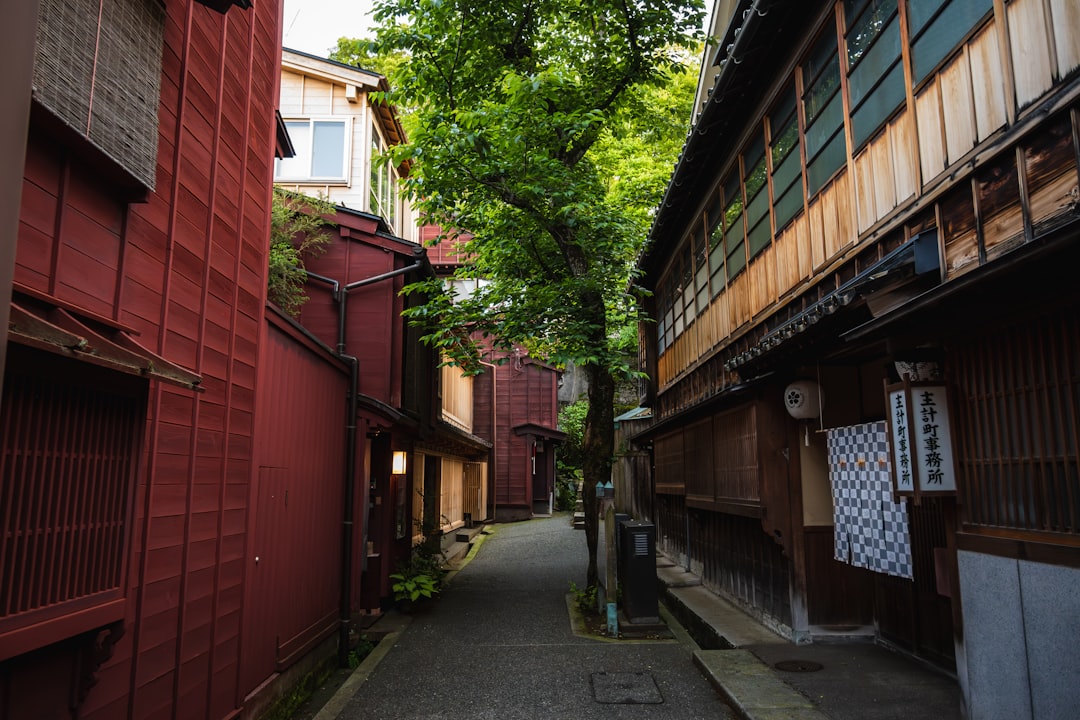
Kyoto in 2026 remains breathtaking, but its narrow lanes, packed shrines, and overwhelmed bus system have made it a case study in overtourism. If you’re planning a Japan trip this year and want authentic culture without shoulder-to-shoulder crowds, it’s time to look beyond the usual Kyoto-Osaka-Tokyo triangle. Japan is full of underrated cities that offer the same samurai history, wooden machiya streets, and traditional atmosphere as Kyoto — minus the tour buses. Here are six hidden-gem destinations worth your itinerary in 2026, plus practical tips for getting there smoothly.
Why Look Beyond Kyoto in 2026
Japan’s government has been actively promoting regional dispersion to ease pressure on its most famous sites, and 2026 is a great year to take advantage of improved rail links, English signage, and boutique accommodation now available in smaller cities. Visiting these underrated spots doesn’t just avoid crowds — it supports local economies and gives you a far more relaxed, personal travel experience.
1. Kanazawa – Kyoto’s Elegance Without the Crowds
Often called “Little Kyoto,” Kanazawa on the Sea of Japan coast has preserved geisha districts (Higashi Chaya), a stunning castle, and one of Japan’s top three gardens, Kenroku-en, all without Kyoto-level crowds. Thanks to the Hokuriku Shinkansen extension, Kanazawa is now just about 2.5 hours from Tokyo, making it an easy off-the-beaten-path add-on. Don’t miss the Omicho Market for fresh Sea of Japan seafood and the 21st Century Museum of Contemporary Art.
2. Takayama – Edo-Period Streets in the Japan Alps
Tucked in the Hida mountains, Takayama’s Sanmachi Suji district feels like walking through an Edo-period woodblock print, with sake breweries, morning markets, and traditional inns. Unlike Kyoto’s Gion, you can wander here at sunrise with almost no other visitors. Takayama is also the gateway to the UNESCO village of Shirakawa-go, making it an ideal 2-3 day base for exploring rural Japan.
3. Matsumoto – Castle Town Charm
Home to one of Japan’s few original wooden castles, the striking black “Crow Castle,” Matsumoto pairs historic architecture with a laid-back alpine-town vibe. It’s a hub for craft galleries, jazz cafes, and access to the Kamikochi highlands. Direct trains from Tokyo (about 2.5-3 hours) make it a stress-free underrated alternative to Kyoto’s crowded castle sites.
4. Matsue – The Water City of San’in
Matsue, in the often-overlooked San’in region, boasts an original castle (a rare National Treasure), scenic canal boat tours, and nearby Izumo Taisha, one of Japan’s oldest and most sacred shrines. Sunset views over Lake Shinji rival anything in Kyoto’s Arashiyama, but you’ll likely have the view to yourself. This is one of the most genuinely underrated cities in Japan for travelers wanting an authentic, uncrowded shrine experience.
5. Kurashiki – Canal Town Time Capsule
Kurashiki’s Bikan Historical Quarter, with its willow-lined canal, white-walled storehouses, and boutique museums, offers Kyoto-esque photo opportunities minus the tourist swarm. Located near Okayama, it’s an easy detour off the Sanyo Shinkansen line and pairs beautifully with a visit to Naoshima’s art islands.
6. Hagi – Samurai Roots on the Sea of Japan
Hagi, in Yamaguchi Prefecture, was a cradle of the Meiji Restoration and still has intact samurai residences, earthen walls, and castle ruins you can explore in near-total quiet. It’s further off the beaten path, requiring a bit more planning, but the reward is one of Japan’s most authentic, untouched historic townscapes.
Practical Travel Tips for 2026
Getting to these underrated cities is easier than ever, but a few 2026-specific details matter for planning:
- JR Pass pricing: Since the October 2023 price increase, the nationwide Ordinary Japan Rail Pass costs ¥50,000 for 7 days, ¥80,000 for 14 days, and ¥100,000 for 21 days (adult, as of 2026). For itineraries focused on Kanazawa, Takayama, or Matsumoto, regional passes like the JR Takayama-Hokuriku Area Tourist Pass are often better value than the nationwide pass — compare costs before buying.
- IC cards (Suica/Pasmo): As of 2026, Mobile Suica and Mobile Pasmo work smoothly with most foreign-issued iPhones and select Android devices, and the “Welcome Suica” tourist card remains available at major airports for visitors who prefer a physical card. Coverage in smaller cities like Matsue and Hagi is improving but still incomplete, so carry some cash for local buses.
- Tax-free shopping: Japan’s consumption tax remains 10% on most goods. As of 2026, Japan is rolling out a reformed refund-based tax-free system (effective from November 2026) where travelers pay tax at purchase and claim refunds at the airport upon departure, replacing the old in-store exemption at many retailers — always check official Japan Tourism Agency guidance closer to your travel date, as rules are transitioning.
- Visa requirements: Most travelers from the US, UK, EU, Australia, and Canada continue to enjoy visa-free entry for stays up to 90 days as of 2026. Japan continues developing a future electronic travel authorization system, so it’s wise to check the Ministry of Foreign Affairs website before departure for the latest updates.
Regional Dispersion Tips – How to Travel Like a Local
To make the most of these underrated destinations, avoid weekends and Japanese national holidays when domestic tourists also flock to popular spots. Base yourself in one smaller city for 2-3 nights rather than day-tripping, which reduces transit stress and supports local guesthouses. Consider combining two or three of these cities into a loop — for example, Kanazawa to Takayama to Matsumoto — using regional rail passes. Booking accommodation directly with family-run ryokan, rather than large hotel chains, also helps distribute tourism revenue more evenly across Japan.
Final Thoughts
Kyoto will always be a bucket-list destination, but in 2026, some of Japan’s most rewarding travel experiences are happening in its quieter, underrated cities. Kanazawa, Takayama, Matsumoto, Matsue, Kurashiki, and Hagi each offer authentic history, stunning architecture, and warm local hospitality — all without the crowds. Add one or two of these hidden gems to your next Japan itinerary, and you’ll come home with stories most travelers never get to tell.
Photo by Artem Shuba on Unsplash