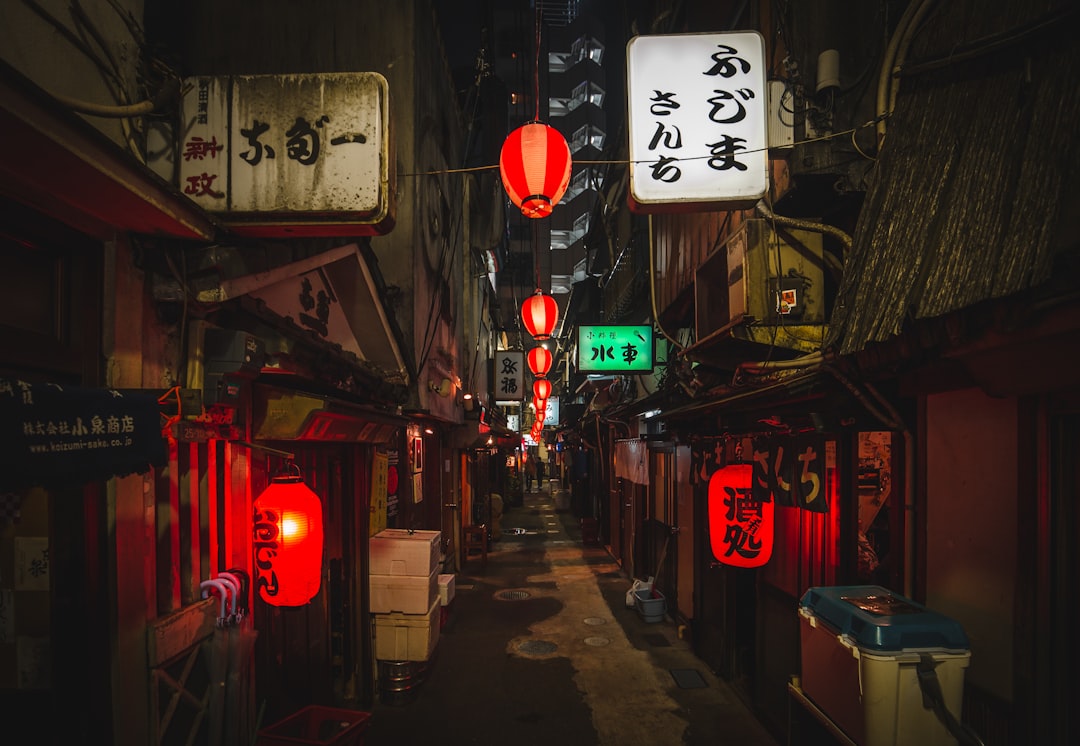
As Japan’s tourism numbers continue to climb toward record highs in 2026, the classic Golden Route of Tokyo, Kyoto, and Osaka has become synonymous with packed trains, hour-long queues at temples, and shoulder-to-shoulder crowds at every famous photo spot. The good news? Japan is far bigger than its three most Instagrammed cities. This guide highlights underrated, off-the-beaten-path destinations that offer the same authentic culture, incredible food, and stunning scenery — minus the overtourism. Whether you’re a first-timer wanting a calmer introduction to Japan or a repeat visitor craving something new, these alternative destinations deserve a spot on your 2026 itinerary.
Why Regional Dispersion Matters in 2026
Japan’s government and tourism boards have actively encouraged ‘regional dispersion’ travel since the mid-2020s, aiming to spread visitor numbers beyond the Golden Route to smaller cities and rural prefectures. This isn’t just good for reducing congestion; it’s genuinely better for travelers. Smaller cities offer more personal interactions with locals, lower accommodation prices, and often better-preserved traditional architecture because they haven’t been remodeled to handle mass tourism. Below, we break down hidden-gem alternatives organized by the major hub they replace.
Alternatives to Kyoto: Traditional Culture Without the Crowds
Kanazawa
Often called ‘Little Kyoto,’ Kanazawa on the Sea of Japan coast offers geisha districts (Higashi Chaya), a stunning castle, and Kenroku-en, one of Japan’s three great gardens — all with a fraction of Kyoto’s foot traffic. Since the Hokuriku Shinkansen extension, Kanazawa is roughly 2.5 hours from Tokyo, making it an easy day trip or overnight stay.
Matsue and Izumo (Shimane Prefecture)
Shimane is consistently ranked among Japan’s least-visited prefectures, yet it holds Izumo Taisha, one of the country’s oldest and most spiritually significant shrines, and Matsue Castle, one of only twelve original castles remaining in Japan. Visit in the early morning and you may have the castle grounds nearly to yourself.
Takayama and Hida Furukawa
Nestled in the Japanese Alps, Takayama’s beautifully preserved Edo-era streets rival Kyoto’s Gion district, while nearby Hida Furukawa (famous as a setting in the anime ‘Your Name’) offers whitewashed storehouses and canals lined with koi — with almost no tour buses.
Alternatives to Osaka: Regional Food Culture and City Energy
Okayama and Kurashiki
Okayama offers Korakuen, another of Japan’s three great gardens, alongside a vibrant food scene centered on the local specialty, Momotaro peaches. A short train ride away, Kurashiki’s Bikan Historical Quarter — canals, willow trees, and Edo-period merchant houses — feels like stepping into a woodblock print.
Onomichi
This laid-back port city near Hiroshima is famous as the starting point of the Shimanami Kaido cycling route across the Seto Inland Sea. Onomichi combines temple-hopping hillside walks with a relaxed café culture, offering an Osaka-style food scene (try the local ramen) without the Dotonbori crowds.
Alternatives to Tokyo: Modern Japan, Fewer Crowds
Sendai and the Tohoku Region
Tohoku remains one of Japan’s most underrated regions despite being just 90 minutes from Tokyo via Shinkansen. Sendai offers a lively downtown, excellent seafood (try the gyutan, grilled beef tongue), and easy access to Matsushima Bay, ranked among Japan’s three most scenic views.
Fukuoka
Japan’s fifth-largest city on Kyushu island has all the urban conveniences of Tokyo — shopping, nightlife, incredible ramen at yatai food stalls — but with noticeably thinner crowds and a more relaxed pace. Fukuoka also serves as a gateway to hot spring towns like Yufuin and Beppu.
Nagano
Beyond its famous snow monkeys, Nagano City offers Zenko-ji Temple, one of Japan’s most important Buddhist pilgrimage sites, along with easy access to the Japanese Alps for hiking, onsen, and ski resorts that see far fewer international visitors than Hokkaido’s Niseko.
Practical Tips for Exploring Japan’s Hidden Gems in 2026
Visa and Entry Requirements
As of 2026, most travelers from the US, UK, EU, Canada, and Australia can still enter Japan visa-free for short-term tourism stays (typically up to 90 days), though Japan’s digital entry system (Visit Japan Web) is strongly recommended for pre-registering immigration, customs, and health declarations before arrival. Always double-check current requirements with the official Ministry of Foreign Affairs website before booking, as rules can be updated.
JR Pass Pricing
Since the October 2023 price increase, the 7-day ordinary JR Pass costs around 50,000 yen for adults as of 2026 (prices may fluctuate slightly with exchange rates and JR updates, so check the official JR Pass website for current rates). For regional-dispersion trips focused on one area — like Tohoku or Kyushu — consider regional JR passes (e.g., JR East Tohoku Pass, JR Kyushu Rail Pass), which are significantly cheaper and better suited to exploring hidden-gem destinations than the nationwide pass.
IC Cards for Regional Travel
Suica and Pasmo IC cards remain essential for seamless travel on local trains and buses. As of 2026, mobile Suica now supports a wider range of foreign-issued credit cards for top-ups via Apple Pay and Google Pay in most regions, though some rural bus lines and smaller stations in far-flung prefectures like Shimane or Tohoku still require cash, so always carry some yen as backup.
Tax-Free Shopping
Japan’s consumption tax remains at 10% as of 2026. Tourists can still shop tax-free at participating stores with a passport (minimum purchase thresholds apply, typically around 5,000 yen), though smaller shops in rural towns may not offer tax-free service, so it’s worth confirming before you shop.
Timing Your Trip
Visiting hidden-gem destinations during Japan’s peak seasons (cherry blossom season in late March/early April and autumn foliage in November) still draws crowds, even in smaller cities. For the quietest experience, aim for early June, late September to early October, or January to February (excluding New Year holidays), when regional destinations are at their most peaceful.
Final Thoughts
Japan’s charm has never been limited to Kyoto’s temples or Tokyo’s neon streets. In 2026, savvy travelers are discovering that the most memorable experiences often happen in the quieter corners of the country — a nearly empty castle at sunrise in Matsue, a peaceful canal walk in Kurashiki, or a bowl of gyutan in Sendai without a queue. By choosing these hidden-gem alternatives, you’ll not only avoid the crowds but also support regional economies and experience a more authentic, less filtered version of Japan.
Photo by Denys Nevozhai on Unsplash