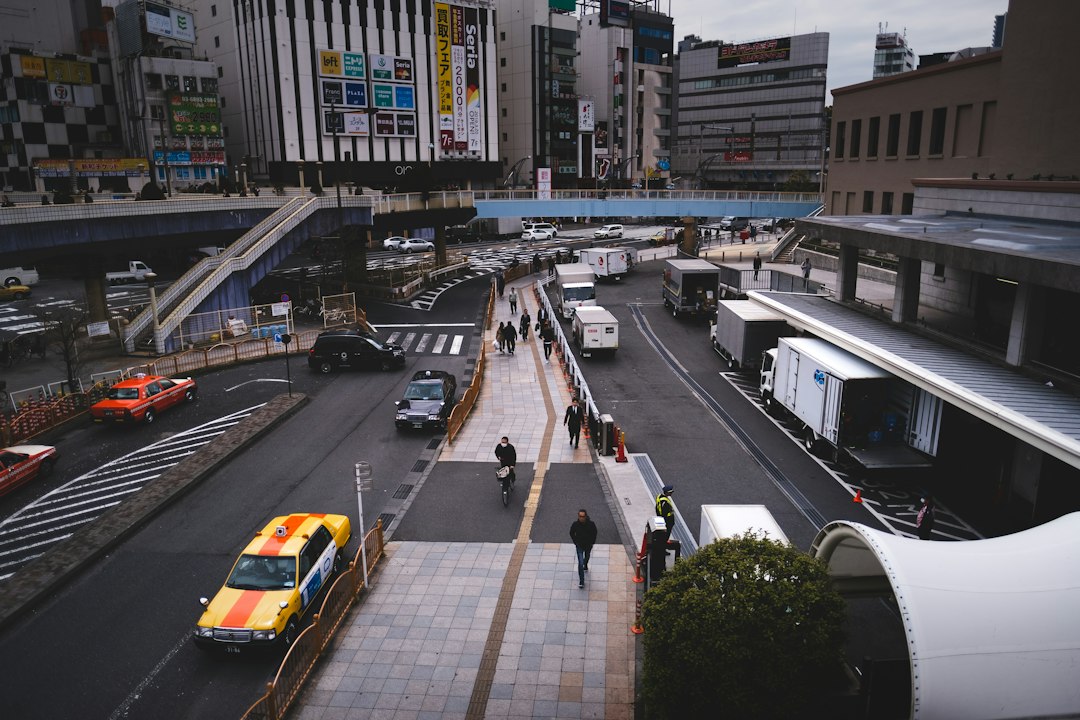
Airport Limousine Bus Tokyo Narita: Your 2026 Guide
Landing at Narita International Airport in 2026 and wondering how to reach central Tokyo without wrestling with train transfers and heavy suitcases? The Airport Limousine Bus (officially operated by Tokyo Airport Transport Service Co.) remains one of the most comfortable, stress-free ways to travel between Narita and dozens of hotels and stations across the city. This guide covers the latest 2026 schedule, updated fares, booking tips, and practical advice so you can glide from arrival gate to hotel lobby without a single station transfer.
Why Choose the Limousine Bus Over Trains?
Narita Express (N’EX) and the Keisei Skyliner are faster, but the Limousine Bus wins on convenience. Buses depart directly from all three terminals (T1, T2, T3) and drop passengers at major hotels and stations - no need to drag luggage through station stairs or change platforms. If you’re traveling with kids, elderly family members, or a lot of luggage, this door-to-door (or near-door) service is worth the extra travel time.
Key Advantages
- Direct drop-off at 20+ major Tokyo hotels and stations, including Tokyo Station, Shinjuku, Ginza, Shibuya, Ikebukuro, and Roppongi
- Spacious under-bus luggage storage - no need to lift bags onto overhead racks
- Comfortable reclining seats with USB charging ports on most 2026 fleet vehicles
- Reserved seating available via online booking, reducing uncertainty during peak travel seasons
2026 Schedule Overview
As of 2026, Limousine Buses operate from early morning (around 6:00 AM) until close to midnight, with departures every 20-40 minutes depending on the destination and time of day. Popular routes like Narita to Tokyo Station and Narita to Shinjuku run more frequently, sometimes every 15-20 minutes during peak arrival hours (10 AM-8 PM), while less-traveled routes to outer Tokyo areas may run hourly.
Journey times vary by destination and traffic conditions:
- Narita to Tokyo Station (Yaesu/Nihonbashi exit area): approximately 75-95 minutes
- Narita to Shinjuku: approximately 100-120 minutes
- Narita to Ginza/Ikebukuro/Shibuya hotels: approximately 90-130 minutes
Because these buses travel on the Higashi-Kanto and Shuto Expressways, actual travel time can extend significantly during rush hour (7:30-9:30 AM and 5:00-8:00 PM) or on holidays and long weekends. Always build in an extra 30-45 minute buffer if you have a tight connection, such as a Shinkansen departure.
2026 Pricing Guide
Fares are set per route rather than a flat airport-wide rate. As of 2026, typical one-way adult fares from Narita to central Tokyo destinations range from approximately 3,600 to 4,200 yen, with children (6-11 years) typically paying half fare. Some hotel-specific routes carry slightly higher fares due to added drop-off points. Round-trip tickets purchased in advance often offer a modest discount compared to buying two separate one-way fares, so check the official website before booking if you plan to use the bus for your return trip to the airport as well.
Payment options in 2026 include cash, major credit cards, and IC cards such as Suica and Pasmo at ticket counters and some vending machines. Note that IC card balance can only be used where explicitly indicated - always confirm at the ticket counter since not all counters accept tap-to-pay IC card fares for bus tickets the same way they do for train fares. Foreign-issued contactless credit cards (Visa, Mastercard, JCB) are increasingly accepted directly at ticket machines, reflecting Japan’s continued push toward cashless tourist payments, but carrying some cash is still wise as a backup.
How to Book Your Limousine Bus Ticket
Option 1: Book Online in Advance
The Tokyo Airport Transport Service official website and the Limousine Bus app allow reservations up to a few months ahead, which is especially useful during cherry blossom season (late March-early April), Golden Week (late April-early May), and the summer holidays when buses can sell out on popular routes. Online booking generates a QR code you simply scan when boarding.
Option 2: Buy Tickets On Arrival
Ticket counters are located in the arrival lobbies of all three Narita terminals, clearly marked with the Limousine Bus logo. Staff can help you choose the best route based on your hotel address, and same-day tickets are usually available except during the busiest holiday periods.
Practical Tips for a Smooth Ride
- Arrive at the boarding point 10-15 minutes early: Buses depart on schedule and will not wait for late passengers, unlike some train services with more frequent departures.
- Confirm your exact stop: Some hotels share a single named bus stop with several nearby properties, so double-check the stop name matches your accommodation before boarding.
- Check terminal number carefully: Narita’s T1, T2, and T3 have separate limousine bus boarding areas, and T3 (used by many budget carriers) has a slightly longer walk to the bus bay.
- Watch for traffic-related delays: Since buses use expressways shared with regular traffic, heavy congestion around Tokyo can add 20-30 minutes during peak hours. If you have a same-day Shinkansen connection, allow generous buffer time or consider the Narita Express or Skyliner instead.
- Luggage limits: Most routes allow two large suitcases per passenger stored in the under-bus compartment, plus one carry-on. Oversized items like bicycles or golf bags may require advance notice.
Limousine Bus vs. Narita Express vs. Skyliner
If your priority is speed, the Keisei Skyliner (about 41-44 minutes to Nippori/Ueno) or the JR Narita Express (roughly 55-90 minutes depending on destination, and included in the current JR Pass, which as of 2026 costs 50,000 yen for a 7-day ordinary pass following the October 2023 price increase) will get you into the city faster. But if you value direct hotel drop-off, extra luggage space, and a single seat with no transfers, the Limousine Bus is hard to beat, particularly for families, business travelers, or those arriving late at night after regular Skyliner or N’EX service has ended.
Entry and Practical Reminders for 2026 Travelers
Before you even reach the bus counter, remember that Japan’s entry requirements can change, so always verify visa-exemption eligibility and any pre-arrival registration requirements on the official Ministry of Foreign Affairs website close to your travel date. Once through immigration and customs, the Limousine Bus counters are typically located just past the arrival exit, clearly signposted in English.
Final Thoughts
The Airport Limousine Bus remains, in 2026, one of the most traveler-friendly ways to move between Narita Airport and central Tokyo, especially for those prioritizing comfort over speed. By booking ahead during peak seasons, confirming your exact drop-off stop, and building in a traffic buffer, you can turn a potentially stressful post-flight transfer into a relaxing start to your Japan adventure.
Photo by Levi Meir Clancy on Unsplash