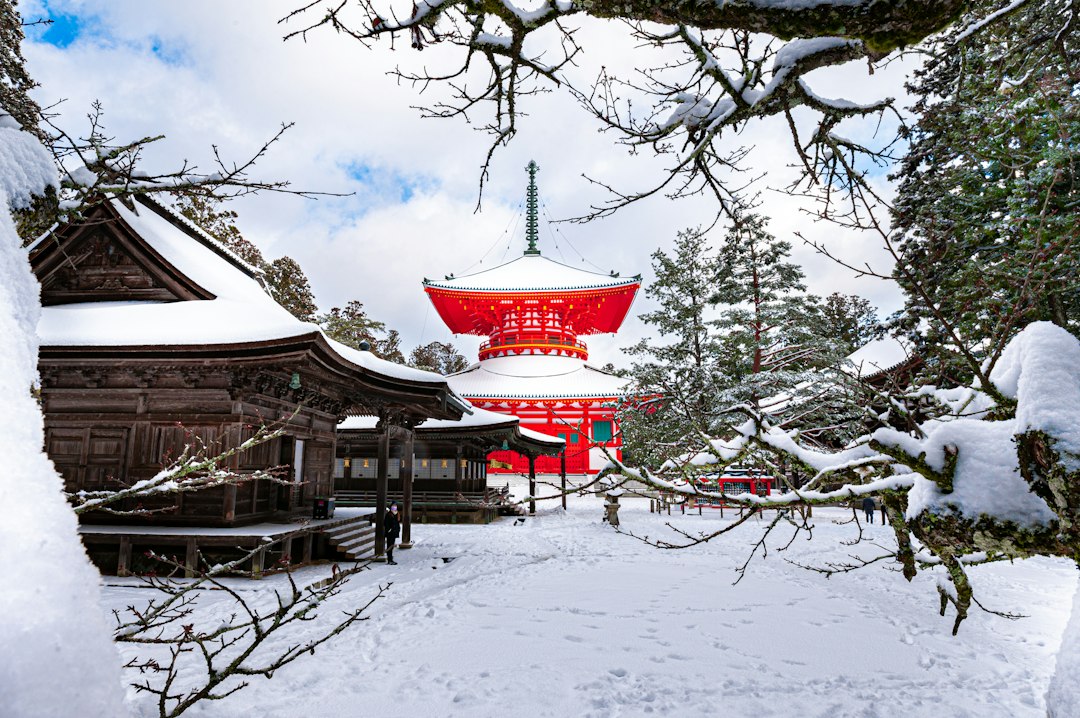
Planning a Japan winter travel adventure for the 2026 holiday season? Whether you’re chasing dazzling illumination displays in Tokyo, queuing for hatsumode (the first shrine visit of the New Year), or heading north to see snow-covered Hokkaido, packing the right clothing layers can make or break your trip. Japan’s winter climate varies dramatically by region — from mild, dry days in Fukuoka to sub-zero snowstorms in Sapporo — so a smart layering strategy is essential, not optional. This 2026 guide breaks down exactly what to pack, how to layer, and how to stay comfortable while exploring shrines, illuminations, and snowy landscapes during Japan’s busiest and most magical season.
Why Layering Matters More Than a Single Heavy Coat
Many first-time visitors make the mistake of packing one bulky winter coat and calling it done. But Japan’s winter travel experience often involves moving between freezing outdoor temperatures, overheated trains, and toasty indoor spaces with underfloor heating or kotatsu tables. A flexible three-layer system lets you add or remove clothing as conditions change, keeping you comfortable whether you’re standing in a hatsumode queue at midnight or riding a heated Shinkansen car.
The Three-Layer System Explained
1. Base Layer: Moisture Management
Your base layer sits directly against your skin and controls moisture. Choose merino wool or synthetic thermal tops and leggings rather than cotton, which traps sweat and leaves you cold. Uniqlo’s HEATTECH line is extremely popular among travelers and locals alike, sold at nearly every Uniqlo store across Japan at affordable prices — a great emergency purchase if you underpack. Look for HEATTECH Extra Warm or Ultra Warm versions for northern destinations like Hokkaido or Tohoku in December and January.
2. Mid Layer: Insulation
This layer traps warm air close to your body. Fleece jackets, wool sweaters, or lightweight down vests work well. For flexibility, pack at least one packable down jacket that compresses into a small pouch — ideal for train travel and sightseeing days when temperatures swing between sunny afternoons and frigid evenings. If you’re visiting illumination events in cities like Tokyo, Osaka, or Kobe, you’ll be standing outdoors for extended periods after dark, so don’t skimp on mid-layer insulation.
3. Outer Layer: Wind and Water Protection
Your outer shell should be windproof and at least water-resistant, since winter in Japan brings both dry cold snaps and sudden snow or rain, especially along the Sea of Japan coast and in Hokkaido. A knee-length coat offers better coverage than a waist-length jacket, particularly useful when waiting outdoors at shrines during New Year’s hatsumode crowds, which can mean standing in line for over an hour in freezing temperatures.
Don’t Forget the Extremities
- Hats: A significant amount of body heat escapes through your head — pack a warm beanie, especially for snow destinations like Sapporo, Hakuba, or Shirakawa-go.
- Gloves: Touchscreen-compatible gloves let you use your phone for navigation or IC card payments without removing them in the cold.
- Scarves or neck gaiters: Essential for blocking wind chill, particularly on exposed shrine grounds or mountain viewpoints.
- Thermal socks: Wool-blend socks paired with waterproof boots keep feet warm during long days of walking on icy or snowy streets.
- Hand warmers (kairo): These disposable heat packs are sold everywhere in Japan — convenience stores, drugstores, and 100-yen shops — and are a lifesaver during outdoor winter festivals or late-night illumination walks.
Regional Packing Differences Across Japan
Tokyo, Osaka, Kyoto (Mild Winter)
Daytime temperatures typically range from 5-12°C, dropping close to freezing at night. A warm coat, mid-layer, and HEATTECH base are usually sufficient. Rain and occasional light snow are possible in January, so a water-resistant outer shell is smart.
Hokkaido and Tohoku (Deep Winter)
Expect sub-zero temperatures, heavy snowfall, and icy sidewalks from December through February. Insulated waterproof boots with good tread, thermal leggings, a heavyweight down coat, and serious hand and foot warmers are non-negotiable. Layer aggressively here — you can always unzip your jacket indoors, but you can’t conjure warmth if you’re underdressed outside.
Kyushu and Southern Japan (Milder Winter)
Cities like Fukuoka and Kagoshima see milder winters, often comparable to a chilly autumn day elsewhere. A mid-weight coat and light layers are usually enough, though evenings can still be brisk.
Dressing for Hatsumode and New Year Crowds
If your Japan winter travel plans include hatsumode at popular shrines like Meiji Jingu, Sensoji, or Fushimi Inari around December 31st into early January, prepare for long outdoor waits in dense crowds. Layer strategically so you can remove your outer coat if the crowd generates body heat, but keep a scarf and hat handy since you’ll likely be standing still for extended periods. Comfortable, warm waterproof footwear is crucial, as shrine grounds are often unpaved or icy in the early morning hours.
Crowd Avoidance Tips for Winter Travelers
Late December through the first few days of January is peak domestic travel season in Japan, as locals return home for the New Year holiday (Oshogatsu). Trains, especially the Shinkansen, can sell out days in advance, and popular illumination spots get crowded on weekends. To avoid the worst crowds, consider visiting major illumination displays on weekday evenings, arriving at hatsumode shrines either very early (before 6 AM) or a few days after January 1st when crowds thin out, and booking accommodation and reserved Shinkansen seats well ahead of your trip, ideally as soon as your travel dates are confirmed.
Practical Shopping and Travel Tips for 2026
If you arrive underprepared, Japan makes it easy to stock up. Uniqlo, GU, Workman, and Muji all stock affordable winter essentials nationwide. As of 2026, Japan’s consumption tax remains 10%, and tax-free shopping is available for tourists spending over 5,000 yen (before tax) per store on eligible items — simply present your passport at checkout. For getting around while carrying extra layers or shopping bags, IC cards like Suica and Pasmo remain the easiest way to pay for trains, buses, and convenience store purchases; many overseas-issued contactless cards and smartphones can now be used to set up mobile Suica/Pasmo directly, though it’s worth checking current compatibility with your device before departure. If you’re planning extensive travel between regions to chase snow festivals or illumination events, compare current JR Pass pricing carefully, as rates were raised in October 2023 and remain at that higher level as of 2026 — for shorter regional trips, individual tickets or regional passes may actually be more economical.
Final Packing Checklist
- 2-3 HEATTECH or thermal base layers
- 1-2 fleece or wool mid-layers
- 1 packable down jacket
- 1 knee-length windproof/water-resistant coat
- Warm hat, touchscreen gloves, scarf or neck gaiter
- Thermal socks and waterproof boots
- Hand and foot warmers (or buy locally)
- Layer-friendly outfits for temperature swings between outdoors and heated interiors
With the right layering strategy, your Japan winter travel experience — from snowy Hokkaido landscapes to glittering city illuminations and the spiritual calm of hatsumode — can be warm, comfortable, and unforgettable. Pack smart, layer wisely, and enjoy everything the 2026 winter season in Japan has to offer.
Photo by Samuel Berner on Unsplash