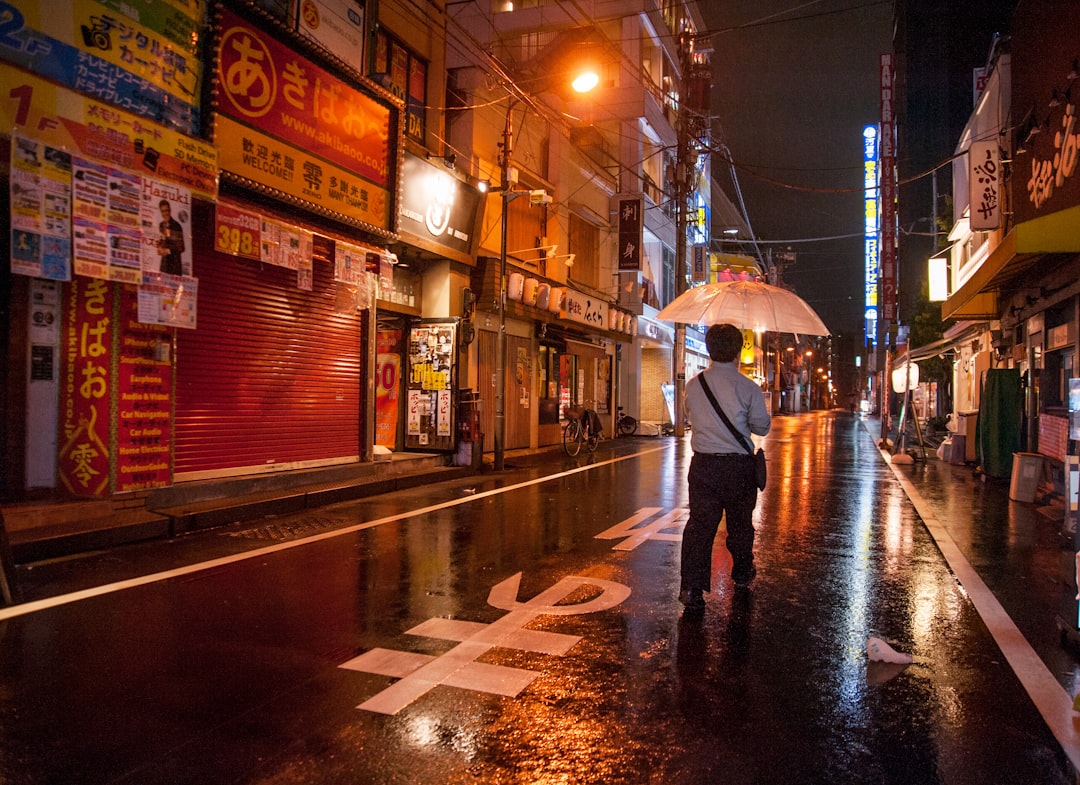
Planning a trip to Japan between early June and mid-July? You’re heading straight into tsuyu (梅雨), Japan’s rainy season, and knowing what to pack in 2026 can make the difference between a soggy, miserable trip and a comfortable, enjoyable one. This guide covers everything from footwear to electronics protection, updated with the latest 2026 travel logistics for Japan.
When Is Japan’s Rainy Season in 2026?
Japan’s rainy season typically runs from early June to mid-July, though timing varies by region. Okinawa’s rainy season starts earlier (early May), while Hokkaido largely skips tsuyu altogether. As of 2026, meteorological forecasts suggest a fairly typical pattern, but always check the Japan Meteorological Agency’s updated forecasts closer to your departure date, as climate patterns have been shifting in recent years with more intense, concentrated downpours.
Regional Rainy Season Timing
- Okinawa: Early May to mid-June
- Kyushu, Shikoku, Chugoku: Early June to mid-July
- Kansai & Kanto (Osaka, Kyoto, Tokyo): Early June to late July
- Tohoku: Mid-June to late July
- Hokkaido: Generally no distinct rainy season
Essential Rain Gear to Pack
1. A Quality Compact Umbrella
While you can buy inexpensive clear plastic umbrellas (biniru-gasa) at almost any konbini in Japan for around 500-700 yen, bringing a sturdy, wind-resistant travel umbrella from home saves you money and reduces waste. Look for a compact folding umbrella rated for higher wind resistance, as summer rain in Japan often comes with gusty winds, especially during typhoon-adjacent weather patterns.
2. Waterproof Footwear
This is arguably the most important packing decision for rainy season travel. Avoid canvas sneakers or suede shoes entirely. Instead pack:
- Waterproof or water-resistant walking shoes with good grip
- Quick-dry sandals for very heavy downpour days (many locals switch to these)
- A spare pair of socks in your day bag - wet socks are miserable for a full day of sightseeing
3. A Packable Rain Jacket
A lightweight, breathable rain shell is far more practical than a poncho for navigating crowded train stations and narrow streets. Look for one that packs down small, as you’ll want to stuff it in your day bag on sunny mornings that turn rainy by afternoon - a very common tsuyu pattern.
Clothing Strategy for Humidity and Rain
Rainy season in Japan means not just rain but oppressive humidity, often reaching 80-90%. Your clothing strategy should prioritize quick-drying, breathable fabrics.
- Moisture-wicking t-shirts: Merino wool or synthetic blends dry faster than cotton and resist odor buildup
- Quick-dry travel pants or shorts: Avoid heavy denim, which stays wet and uncomfortable for hours
- Extra changes of clothes: Pack one more outfit than you think you need since laundry takes longer to dry in humid conditions
- A light cardigan or shawl: Aggressive air conditioning indoors contrasts sharply with humid streets outside
Protecting Your Electronics
Sudden downpours are common during tsuyu, so protecting your phone, camera, and other electronics is essential.
- A dry bag or waterproof phone pouch (widely available cheaply, but bringing one saves scrambling during a sudden shower)
- Ziplock bags for your passport, tickets, and paper items
- A microfiber cloth for wiping down lenses and screens, since humidity causes frustrating fogging
- Silica gel packets in your camera bag to combat moisture buildup
Toiletries and Personal Care Items
High humidity affects your skin and hair more than you might expect.
- Anti-frizz hair products or a small travel-size leave-in conditioner
- Oil-blotting sheets, sold everywhere in Japanese drugstores but handy to have on day one
- A travel-size antiperspirant, as Japanese options tend to be milder than Western brands
- Compact travel towel for drying off after sudden showers
Bags and Packing Accessories
Your choice of luggage and daily carry items matters enormously during rainy season.
- A water-resistant daypack: Ideally with a rain cover, since you’ll be carrying it through downpours regularly
- Packing cubes: Help keep wet and dry items separated in your main luggage
- A foldable tote bag: Useful for carrying a wet umbrella separately from dry belongings on trains
2026 Travel Logistics to Know Before You Go
Visa Requirements
As of 2026, most Western passport holders (US, UK, EU, Australia, Canada) can still enter Japan visa-free for short-term tourism stays of up to 90 days. However, Japan has been rolling out its new pre-arrival digital registration system for short-term visitors, similar to the UK’s ETA or the EU’s forthcoming ETIAS. Always check the official Japan Ministry of Foreign Affairs website closer to your travel date, since these requirements have been evolving.
JR Pass Pricing
Remember that JR Pass prices increased substantially in October 2023 and those higher rates remain in effect as of 2026. A 7-day ordinary JR Pass costs approximately 50,000 yen for adults. Calculate carefully whether individual shinkansen tickets or regional passes might be more cost-effective for your specific itinerary, especially if you’re only visiting one or two regions.
IC Card Updates
Suica and Pasmo IC cards remain essential for seamless train and bus travel. As of 2026, the mobile Suica app supports adding foreign-issued credit cards for top-ups directly from your smartphone (both iPhone with Apple Pay and compatible Android devices), making physical card purchases less necessary than in previous years. Physical IC cards are also widely available again at major stations after supply shortages in prior years.
Tax-Free Shopping
Japan’s consumption tax remains at 10% as of 2026. Tourists can still get tax-free purchases on eligible goods over 5,000 yen at participating stores by showing their passport. Keep receipts and your purchases accessible, as customs checks at the airport occasionally verify tax-free items before departure.
Rainy Season Packing Checklist Summary
- Compact wind-resistant umbrella
- Waterproof walking shoes plus quick-dry sandals
- Packable rain jacket
- Moisture-wicking clothing and extra outfit
- Dry bag or waterproof phone pouch
- Ziplock bags for documents
- Anti-frizz hair care and blotting sheets
- Water-resistant daypack with rain cover
- Passport and printed visa/entry documents
Final Thoughts
Tsuyu doesn’t have to derail your Japan trip. In fact, rainy season travel comes with real perks: fewer crowds at popular attractions, lush green scenery at temples and gardens, and often lower accommodation prices. With the right packing strategy tailored for 2026 conditions and logistics, you can enjoy everything from Kyoto’s misty bamboo groves to Tokyo’s vibrant neighborhoods without the rain ruining your experience. Pack smart, stay flexible with your itinerary, and embrace the atmospheric beauty that rainy season uniquely offers.
Photo by Evgeny Matveev on Unsplash