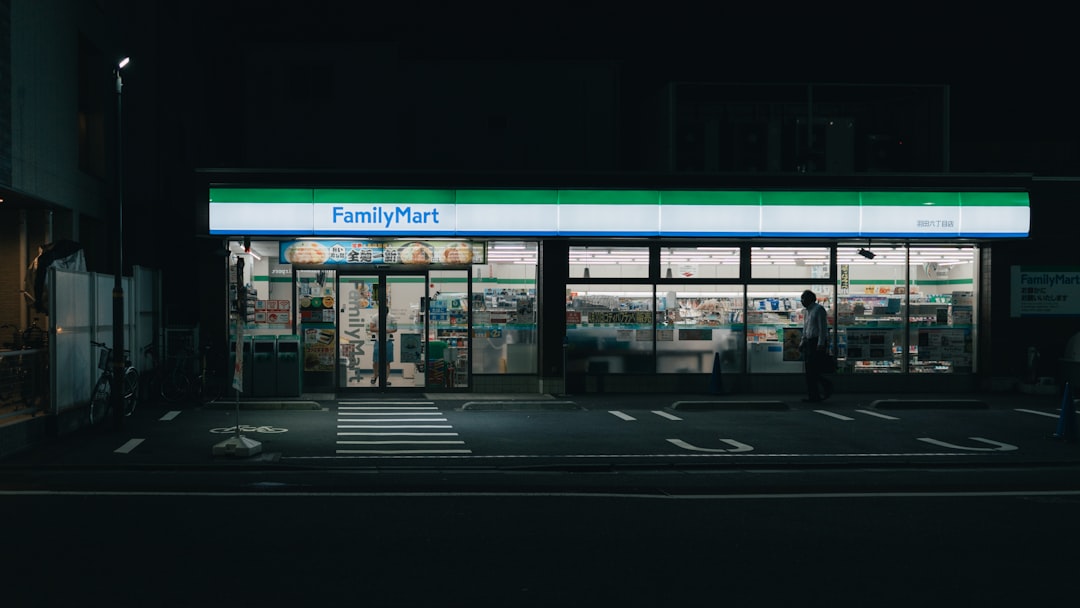
Running out of cash in Japan used to mean hunting for a rare international-friendly bank branch, but in 2026, the easiest and most reliable way to get yen is still the humble convenience store ATM. Whether you’re in Tokyo, Osaka, or a small town in Hokkaido, Japan’s convenience stores are open 24/7 and almost all of them house ATMs that accept foreign-issued cards. This guide covers everything you need to know about withdrawing cash at Japanese convenience store ATMs in 2026, including fees, limits, step-by-step instructions, and insider tips to avoid common pitfalls.
Why Convenience Store ATMs Are Your Best Friend in Japan
Japan remains a surprisingly cash-heavy society despite its high-tech reputation. While cashless payments have grown significantly, many small restaurants, temples, local shops, and rural vending machines still only accept cash. Unlike many regular Japanese bank ATMs, which often reject foreign cards or have limited operating hours, convenience store ATMs are specifically designed to serve international travelers. They’re everywhere—there’s a Seven-Eleven, FamilyMart, or Lawson on almost every corner in urban areas, and even in rural towns you’ll usually find at least one within a short drive.
Best Convenience Store ATMs for Foreign Cards (2026)
7-Eleven (Seven Bank ATM)
Seven Bank ATMs, found inside every 7-Eleven store, remain the gold standard for foreign card withdrawals in Japan. They accept Visa, Mastercard, American Express, Discover, UnionPay, JCB, and cards linked to Cirrus, Plus, and Maestro networks. The machines offer a full English-language interface, and 7-Eleven’s sheer density—over 21,000 stores nationwide as of 2026—makes it the most convenient option for travelers.
FamilyMart and Lawson (E-net and Lawson Bank ATMs)
FamilyMart uses E-net ATMs, while Lawson has rolled out its own Lawson Bank ATMs in most locations. Both accept major international cards, though acceptance can occasionally be less consistent than Seven Bank, especially with certain debit cards or less common card networks. If your card is declined at one, it’s always worth trying a 7-Eleven instead before assuming there’s a problem with your account.
Step-by-Step Guide to Withdrawing Cash
- Locate the ATM near the store entrance or checkout counter—most convenience stores have one visible immediately upon entry.
- Insert your card and select ‘English’ as your preferred language on the welcome screen.
- Choose ‘Withdrawal’ from the menu options.
- Select the account type—usually ‘Credit’ for credit cards or ‘Savings/Checking’ for debit cards linked to a foreign bank account.
- Enter the amount you wish to withdraw in yen.
- Enter your PIN when prompted.
- Confirm the transaction and collect your cash along with your card and receipt.
The whole process typically takes under a minute, and the machines are refreshingly intuitive even for first-time visitors.
Fees and Exchange Rates in 2026
As of 2026, Seven Bank ATMs charge a flat withdrawal fee ranging from approximately 110 to 220 yen per transaction, depending on the time of day and card type, though this fee structure is subject to periodic revision, so it’s wise to check the Seven Bank website before your trip. On top of this local ATM fee, your home bank or card issuer will typically charge its own foreign transaction fee and apply its own exchange rate, which can range from 1% to 3% above the interbank rate. To minimize costs, consider using a travel-friendly debit or credit card that waives foreign ATM fees, such as those offered by certain online banks and fintech companies popular with travelers. Always decline the option for ‘Dynamic Currency Conversion’ if prompted, as this locks in a poor exchange rate—choose to be charged in Japanese yen rather than your home currency.
Daily Withdrawal Limits
Most foreign cards are capped at withdrawing between 50,000 and 100,000 yen per transaction at convenience store ATMs, though your home bank’s daily limit may be lower than this. If you need a larger amount of cash, you can often perform multiple withdrawals in a single day, though each will incur a separate ATM fee. It’s a good idea to check your daily withdrawal limit with your bank before departure and consider requesting a temporary increase if you anticipate needing more cash for a big purchase, such as a ryokan stay or shopping spree.
Common Problems and How to Avoid Them
- Card declined: This is often due to your bank flagging the transaction as suspicious activity from an unfamiliar country. Always notify your bank of your travel dates before departure.
- Forgotten PIN: Japanese ATMs require a 4-digit PIN. If your card uses a longer PIN, contact your bank in advance to confirm compatibility.
- Machine out of service: Occasionally, convenience store ATMs undergo maintenance during very early morning hours (typically between 1am and 5am for certain machines). If this happens, simply try the next nearest convenience store.
- Low withdrawal limits: If your desired amount is rejected, try a smaller amount first, as some banks set conservative default limits for international ATM use.
IC Card Top-Up at Convenience Stores
Beyond cash withdrawals, convenience stores also let you top up your Suica or Pasmo IC card, which is essential for trains, buses, and contactless payments at shops and vending machines. As of 2026, Apple Pay and Google Pay-linked Suica cards can be topped up digitally using foreign credit cards in many cases, though physical IC card top-ups at convenience store registers using cash remain the most universally reliable method, especially since some regional card readers still have compatibility quirks with foreign-issued credit cards. Always keep some cash on hand for this purpose, particularly if you’re traveling outside major cities.
Alternatives to Convenience Store ATMs
If you can’t find a convenience store nearby, Japan Post Bank ATMs (found at post offices) are another reliable option that accepts foreign cards, particularly useful in more rural areas where convenience stores may be sparser. Airport currency exchange counters and counters in major train stations also work, though they typically offer less favorable rates than withdrawing directly from an ATM. Avoid exchanging large sums of cash at hotels, as their rates are usually the least competitive.
Frequently Asked Questions
Do all convenience stores in Japan have ATMs?
The vast majority of 7-Eleven, FamilyMart, and Lawson locations have ATMs, though a small number of very small or rural branches may not. 7-Eleven has the most consistent ATM availability nationwide.
Is it safer to carry cash or rely on cards in Japan?
A mix of both is ideal. While cashless payment adoption has grown substantially by 2026, many smaller establishments, local markets, and rural areas still operate on a cash-only basis, so carrying some yen is essential for a smooth trip.
Can I withdraw cash with American Express or Discover cards?
Yes, Seven Bank ATMs support Amex and Discover cards in addition to Visa, Mastercard, JCB, and UnionPay, making them the most versatile option for international travelers.
Final Thoughts
Withdrawing yen from convenience store ATMs remains, in 2026, the simplest and most cost-effective way for travelers to access cash throughout Japan. With thousands of Seven Bank, E-net, and Lawson Bank machines available around the clock, you’ll rarely be far from a reliable withdrawal point. Just remember to notify your bank before traveling, decline dynamic currency conversion, and keep an eye on daily withdrawal limits and fees so your trip to Japan stays as smooth and stress-free as possible.
Photo by Frank Huang on Unsplash