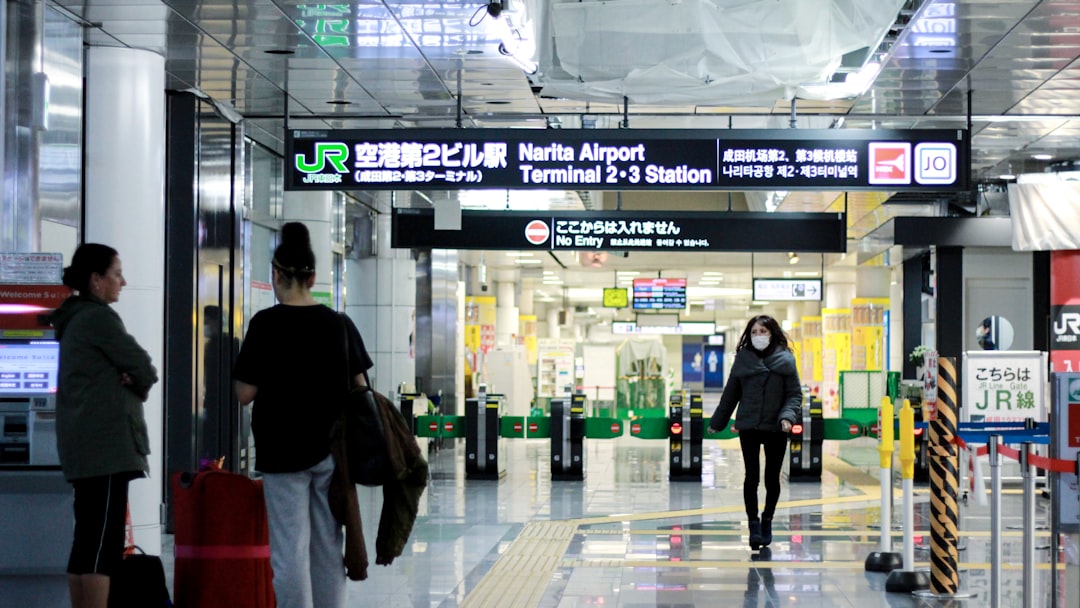
Landing in Japan for the first time, most travelers head straight to the currency exchange counter at the airport — but is that really where you’ll get the best currency exchange rates in Japan’s airports in 2026? The short answer: not always. This guide breaks down exactly where to exchange your money, how airport rates compare to city options, and the smartest strategies to avoid losing money on poor exchange rates during your trip to Japan.
Why Airport Exchange Rates Matter in 2026
With the yen’s value fluctuating significantly against the US dollar, euro, and other major currencies throughout 2025 and into 2026, getting a good exchange rate can mean a difference of tens of thousands of yen on a typical two-week trip. Airport exchange counters are convenient, but convenience often comes at a cost — literally. As of 2026, airport kiosks typically charge a markup of 3-6% over the interbank rate, while some city-based exchangers and ATMs can bring that down to under 2%.
Narita Airport (NRT) Currency Exchange Options
Narita remains one of Tokyo’s two major international gateways, and it offers several exchange counters across Terminals 1, 2, and 3, including Travelex, GPA (Global Currency Exchange), and various bank-operated kiosks.
- Travelex Narita: Competitive rates but watch for the commission fee added on top of the displayed rate.
- SMBC Trust Bank / Seven Bank counters: Generally offer better rates than tourist-focused kiosks.
- Best tip: Compare the rate board at 2-3 counters before committing — rates can vary noticeably even within the same terminal.
Haneda Airport (HND) Currency Exchange Options
Haneda, being closer to central Tokyo, has become the preferred airport for many international arrivals in 2026, especially with expanded international terminal capacity. Currency exchange counters here are run by Travelex, GPA, and several Japanese banks.
- Rates at Haneda are often slightly more competitive than Narita due to higher foot traffic and competition among counters.
- Look for the digital rate boards near the arrival gates — rates are updated multiple times daily.
- Avoid exchanging large amounts immediately upon arrival if you’re only staying briefly in Tokyo before continuing elsewhere; city rates may still be better.
Kansai Airport (KIX) for Osaka, Kyoto & Western Japan
If you’re flying into Osaka’s Kansai International Airport, you’ll find similar exchange counter operators (Travelex, SMBC, Seven Bank ATMs). Rates are broadly comparable to Narita and Haneda, though KIX tends to have slightly fewer competing counters, so rates can be marginally less favorable during peak arrival hours.
Airport Exchange vs. City Exchange: What’s Actually Better in 2026?
Generally speaking, airport currency exchange counters are convenient for getting some initial cash, but they are rarely the cheapest option. Here’s how they stack up:
1. Airport Exchange Counters
Pros: Immediate access to yen upon arrival, no need to search for a bank in an unfamiliar city.
Cons: Higher markup (often 4-6% above mid-market rate), long queues during peak hours.
2. City Currency Exchange Shops
Popular spots like Daikokuya, Ueno, and various shops in Shinjuku and Osaka’s Namba district often post better rates than airport counters, sometimes within 1-2% of the interbank rate. These are ideal if you’re not in a rush to get cash immediately.
3. Seven Bank ATMs
Found inside almost every 7-Eleven convenience store (and many airport locations too), Seven Bank ATMs accept foreign-issued debit and credit cards and typically offer rates close to the actual market rate, with a flat ATM fee. As of 2026, this remains one of the most reliable, wallet-friendly options for travelers, especially since 7-Eleven locations are ubiquitous throughout Japan.
4. Post Office (Yucho) ATMs
Japan Post Bank ATMs also accept international cards and are widely available, often with competitive rates comparable to Seven Bank.
Practical Tips for Getting the Best Rate at Japan’s Airports
- Exchange only a small amount at the airport — enough for transport and your first meal — then use ATMs or city exchangers for the rest.
- Check rate boards carefully. The displayed “buy” and “sell” rates can be confusing; ask staff to clarify how much yen you’ll actually receive for your currency.
- Avoid airport exchange on your way home if you have leftover yen — rates for converting yen back to foreign currency are usually worse than the reverse transaction.
- Use a no-foreign-transaction-fee credit or debit card for purchases where possible, since card networks (Visa/Mastercard) often offer near-market exchange rates.
- Download a currency comparison app before you travel so you can quickly check whether an airport counter’s rate is fair in real time.
IC Cards, Suica/Pasmo, and Cashless Payments in 2026
Since the relaunch of easier foreign card compatibility for Suica and Pasmo via smartphone apps (Apple Pay and Google Wallet support expanded through 2024-2025), many travelers in 2026 now load these IC cards directly with a foreign credit card, reducing the need to carry large amounts of cash altogether. This is one of the best ways to sidestep currency exchange fees for daily transport and convenience store purchases. That said, always carry some cash, as smaller restaurants, rural areas, and traditional inns (ryokan) may still be cash-only.
How Much Cash Should You Exchange on Arrival?
A good rule of thumb for 2026 travelers: exchange enough for 2-3 days of expenses (transport, meals, incidentals) at the airport, then use ATMs or city exchange counters for the remainder of your trip. This minimizes exposure to less favorable airport rates while ensuring you’re not stranded without cash after a long flight.
A Note on Japan’s Consumption Tax and Tax-Free Shopping
While this guide focuses on currency exchange, it’s worth noting that Japan’s consumption tax remains at 10% as of 2026 (8% for select food and beverage items). Many stores offer tax-free shopping for tourists on purchases over a certain threshold, so keep your passport handy when shopping — this won’t affect your exchange rate, but it will affect your overall budget.
Final Verdict: Where to Get the Best Currency Exchange Rate at Japan’s Airports in 2026
If convenience is your priority, Narita, Haneda, and Kansai airport counters are perfectly fine for small amounts. But for the best value, combine a modest airport exchange with Seven Bank ATM withdrawals and a fee-free international card once you’re settled into your trip. This hybrid approach, well-established among savvy travelers in 2026, ensures you get fair value for your money without wasting time hunting for the single “best” exchange counter.
As exchange rates and airport policies can shift, always check official bank and airport websites, or use a live currency conversion app, before your trip for the most current information.
Photo by Tan on Unsplash