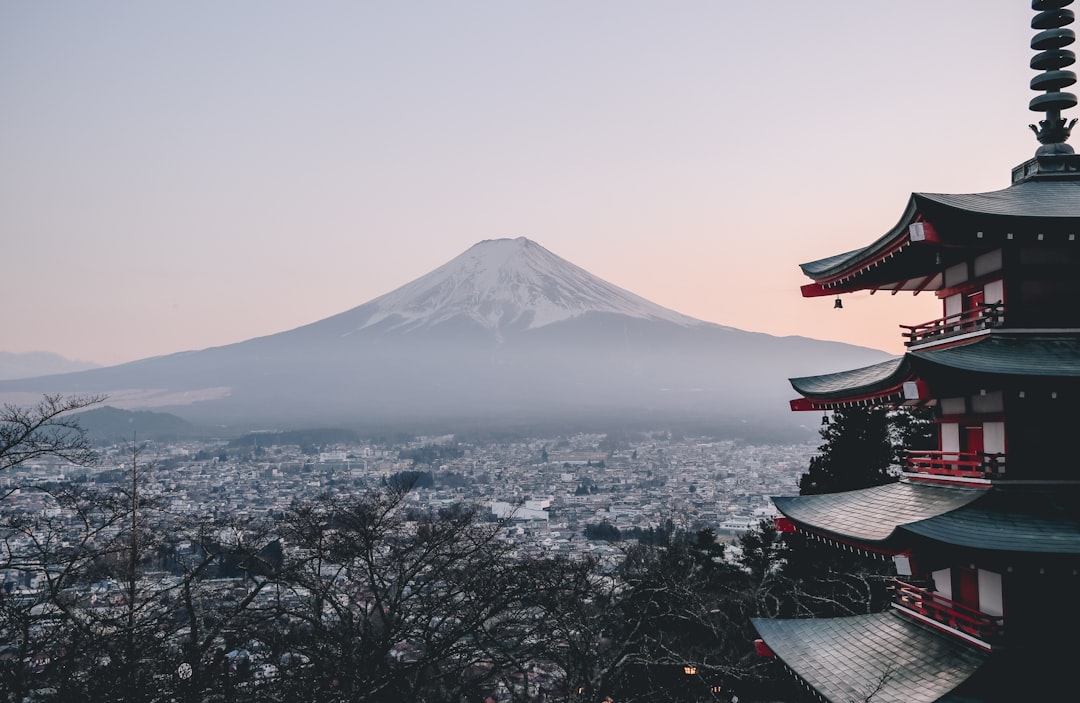

Photo by Manuel Cosentino on Unsplash
Planning a Japan winter trip in 2026? Whether you’re chasing snow in Hokkaido, wandering the illuminated streets of Tokyo, or soaking in an onsen in the Japanese Alps, packing correctly can make or break your experience. Japan’s winter (December to February) brings crisp, dry cold in most regions and heavy snowfall in others, so a one-size-fits-all packing list simply won’t cut it. This guide breaks down exactly what to pack for a Japan winter trip in 2026, region by region, so you stay warm, comfortable, and ready for anything from powder skiing to temple hopping.
Understand Japan’s Winter Climate Before You Pack
Japan is a long, narrow archipelago, and winter feels very different depending on where you go. Knowing your itinerary is the first step to smart packing.
- Hokkaido (Sapporo, Niseko, Furano): Heavy snow, temperatures often between -10°C and 0°C. Serious winter gear required.
- Tohoku (Sendai, Aomori): Cold with significant snowfall, especially on the Sea of Japan side.
- Tokyo, Osaka, Kyoto: Cold but generally dry with occasional light snow. Daytime temperatures often 5-10°C, nights close to freezing.
- Okinawa: Mild, rarely below 15°C, essentially a light-jacket destination.
As of 2026, winters in central Japan remain relatively mild during the day but drop sharply after sunset, so layering is essential no matter where you’re headed.
The Layering System: Your Winter Packing Foundation
The single best strategy for what to pack for a Japan winter trip is a three-layer system. This lets you adjust throughout the day as you move between freezing outdoor streets and overheated indoor spaces (Japanese trains, shops, and homes are famously well-heated).
1. Base Layer
- 2-3 sets of heat-tech style thermal tops and leggings (Uniqlo HEATTECH is excellent and widely available in Japan itself, so you can even buy some on arrival)
- Moisture-wicking materials to avoid feeling clammy indoors
2. Middle Layer
- A fleece or lightweight down sweater
- Wool or cashmere sweaters for versatility with smart-casual outfits
3. Outer Layer
- A windproof, water-resistant winter coat (down or synthetic insulation)
- For Hokkaido or ski trips: a proper insulated, waterproof ski jacket
- For cities like Tokyo, Osaka, Kyoto: a stylish wool or trench coat with a warm liner is often enough
Bottoms and Footwear
Cold legs ruin sightseeing days fast. Pack accordingly.
- Fleece-lined jeans or trousers
- Thermal leggings to wear underneath skirts or pants
- Waterproof, insulated boots with good grip — icy sidewalks are common in Tohoku, Hokkaido, and even Kyoto in January
- Wool socks (bring 5-6 pairs; thin cotton socks won’t cut it)
- Compact, packable snow boots if you’re visiting snowy regions or planning to build a snowman in Shirakawa-go
Accessories You Shouldn’t Skip
- Insulated gloves (touchscreen-compatible ones are ideal for photos and phone use)
- A warm knit hat or beanie
- A thick scarf or neck gaiter — wind chill along the coast can be brutal
- Hand warmers (kairo) — though these are sold everywhere in Japanese convenience stores for under 100 yen, so you don’t need to overpack them from home
- Sunglasses if visiting snowy mountain areas, since sun glare off snow is intense
Skincare and Health Essentials
Japan’s winter air is extremely dry, especially indoors due to heating.
- A rich moisturizer and lip balm
- Hand cream (Japanese pharmacies sell excellent ones, but bring a travel-size for day one)
- A small humidifying face mist if you have sensitive skin
- Basic cold medicine, since pharmacies may have different brands and language barriers can slow you down
- Hydrating eye drops — winter wind combined with indoor heating dries eyes quickly
Electronics and Practical Gear
- A universal plug adapter (Japan uses Type A plugs, 100V)
- A portable charger, since cold weather drains phone batteries faster
- A compact umbrella for occasional snow flurries or winter rain
- A reusable tote bag for shopping, since plastic bags now come with a mandatory small fee nationwide
Money, IC Cards, and Practical Travel Documents for 2026
Beyond clothing, a few logistical items belong on your winter packing list too.
- IC Cards: Suica and Pasmo remain the easiest way to pay for trains, buses, and convenience store purchases across Japan. As of 2026, mobile Suica works smoothly with iPhone (Apple Pay) for most international Apple IDs, and Android users can add Suica via Google Wallet in supported regions. Physical Welcome Suica cards are also available for tourists at major airports if you prefer a tap-and-go physical card without a deposit.
- JR Pass: If your itinerary includes multiple regions, the Japan Rail Pass is still worth considering, though prices remain at the higher tier introduced in October 2023. As of 2026, expect roughly 50,000 yen for a 7-day ordinary pass, so compare against individual Shinkansen ticket costs for your specific route before purchasing.
- Tax-Free Shopping: Japan’s consumption tax remains at 10%, and tourists can still shop tax-free at participating stores with a minimum purchase (generally around 5,000 yen) by presenting your passport. Note that Japan has been rolling out reforms to its tax-free system, moving toward a refund-at-departure model at airports for certain categories of goods — as of 2026, check current procedures at store checkout or with Japan’s official tourism sites since rules are transitioning.
- Photocopies or digital scans of your passport and visa/entry documentation, in case of loss
What to Pack If You’re Visiting an Onsen
Winter is peak onsen season, and packing a few specific items makes the experience smoother.
- A quick-dry small towel (many onsens sell or rent them, but bringing your own saves money)
- Flip-flops or slip-on shoes for easy on-off at ryokan entrances
- A lightweight robe or yukata substitute if staying somewhere that doesn’t provide one
Sample Winter Packing List Checklist
- 3x thermal base layer sets
- 1-2 sweaters or fleece layers
- 1 heavy winter coat (down or waterproof ski jacket if snow-heavy region)
- 2 pairs of warm trousers + thermal leggings
- Waterproof insulated boots + 5-6 pairs of wool socks
- Gloves, beanie, scarf
- Moisturizer, lip balm, hand cream, eye drops
- Portable charger, plug adapter, compact umbrella
- IC card or smartphone set up with mobile Suica/Pasmo
- Passport, travel insurance details, JR Pass voucher if applicable
Final Tips for Packing Smart in 2026
Japan’s convenience stores and shopping districts are packed with quality winter gear, so don’t stress about bringing everything — Uniqlo, Muji, and local pharmacies can fill any gaps once you land. Focus your suitcase space on bulky essentials like your coat and boots, and buy small items like hand warmers, extra socks, or skincare locally. With the right layering strategy and this packing list in hand, you’ll be fully prepared to enjoy everything from snow festivals in Sapporo to peaceful winter walks through Kyoto’s temples in comfort and style.