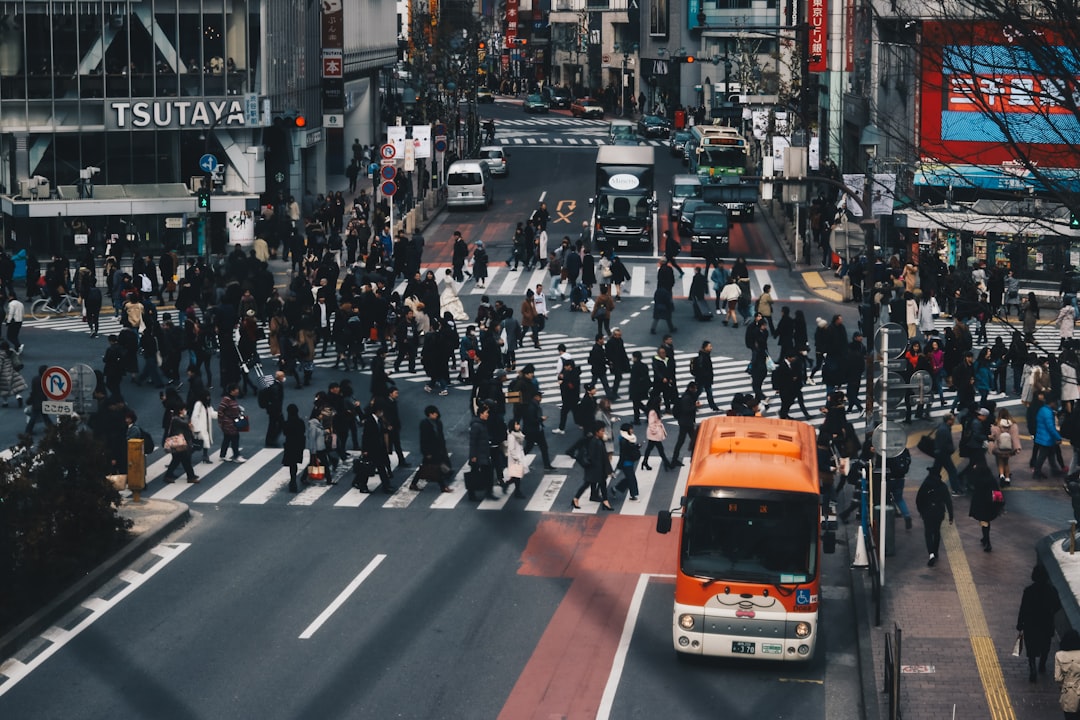

Photo by Manuel Cosentino on Unsplash
Japan is one of the most exciting travel destinations on earth, but it also sits atop four tectonic plates, making earthquakes a regular part of life. If you’re planning a trip in 2026, understanding japan earthquake safety tips for tourists isn’t about fear-mongering — it’s about being a smart, prepared traveler. This guide covers everything from pre-trip planning to what to do the moment the ground starts shaking, using up-to-date resources and apps available as of 2026.
Understanding Japan’s Earthquake Risk in 2026
Japan experiences thousands of earthquakes every year, though the vast majority are too small to feel. The country has some of the world’s most advanced earthquake-resistant infrastructure, strict building codes, and a highly efficient early-warning system. Major cities like Tokyo, Osaka, and Kyoto are built to withstand significant seismic activity, and hotels, train stations, and shopping malls are all designed with evacuation procedures in mind. That said, tourists should never assume a major quake can’t happen during their visit — preparedness is key, not panic.
Before You Arrive: Pre-Trip Preparation
Download Essential Apps
As of 2026, several apps remain indispensable for earthquake safety in Japan:
- Safety Tips App — Developed by the Japan Tourism Agency, this free app sends multilingual push notifications for earthquakes, tsunamis, and extreme weather. Available in English, Chinese, Korean, and Japanese.
- NHK World Japan — Offers real-time news and emergency alerts in English, including earthquake early warnings.
- Yurekuru Call — A Japanese earthquake early-warning app that gives you precious seconds of advance notice before shaking begins in your area.
- Google Maps offline areas — Download offline maps of your destination cities in case data networks become congested after a disaster.
Learn Basic Japanese Phrases
Knowing a few key phrases can be genuinely lifesaving. Learn how to say “earthquake” (jishin), “help” (tasukete), “hospital” (byouin), and “evacuation area” (hinanjo). Many train stations and public buildings also display bilingual emergency signage, but a little Japanese goes a long way when seconds count.
What To Do When an Earthquake Strikes
Indoors
If you’re inside a hotel, restaurant, or shop when shaking begins, drop to the ground, take cover under a sturdy table or desk, and hold on until the shaking stops. Stay away from windows, mirrors, and tall furniture that could topple. Do not rush for the exit or elevator during shaking — most injuries in earthquakes come from falling objects, not building collapse, thanks to Japan’s strict seismic codes.
Outdoors
If you’re walking through a city street, move away from buildings, power lines, and vending machines, which can topple in strong quakes. Head toward open spaces like parks if possible, and be aware of falling signage or glass from nearby buildings.
On Public Transport
Japan’s train system is built to detect earthquakes and stop automatically. If you feel shaking while on a train or the Shinkansen, stay seated, hold onto a handrail or seat, and wait for instructions from staff. Trains may be delayed for safety inspections even after minor tremors, so build flexibility into your itinerary, especially if you’re using a JR Pass for long-distance travel — as of 2026, JR Pass prices remain at the rate set after the October 2023 increase, so it pays to check current fares and any potential refund policies for major service disruptions on the official JR website.
Hotel and Accommodation Safety
When you check into any accommodation, take two minutes to locate the nearest emergency exits and stairwells — never rely on elevators during or after a quake. Note the location of the fire extinguisher and flashlight, often provided in hotel rooms in seismically active regions. Many hotels post evacuation maps behind the door; take a photo of this on arrival so you have it even without WiFi.
Emergency Contacts and Resources
- Police: 110
- Fire and Ambulance: 119
- Japan Helpline (multilingual, 24/7): 0570-000-911
- Your country’s embassy in Japan — Save this number before you arrive, as embassies often issue safety updates for citizens during major disasters.
It’s also wise to register with your embassy’s traveler notification program before departure, if one is available, so you can receive official alerts directly.
Tsunami Safety for Coastal Areas
If you’re visiting coastal destinations like Kamakura, Okinawa, or the Tohoku region, tsunami awareness is essential. If you feel a strong or prolonged earthquake near the coast, do not wait for an official tsunami warning — move immediately to higher ground or the nearest designated evacuation tower, marked with blue-and-white tsunami signage. Elevators are never an option in these situations; always use stairs.
After the Earthquake
Once shaking stops, check yourself and those around you for injuries before moving. Expect aftershocks, sometimes for hours or days afterward, and avoid using elevators until officials confirm it’s safe. If you’re in a affected area, conserve your phone battery, follow instructions from local staff or authorities, and use the Safety Tips app or NHK World for verified updates rather than relying on unconfirmed social media posts.
Staying Connected: IC Cards, Apps, and Connectivity in 2026
Staying connected matters greatly during an emergency. As of 2026, IC cards like Suica and Pasmo continue to be essential for getting around, and both now offer improved mobile compatibility with foreign smartphones through Apple Pay and Google Wallet in most regions, making it easier to top up and travel even if physical card issuance is temporarily limited during high-demand periods. Keeping your IC card loaded with extra balance means you can move quickly to a safer area via train or bus without needing to search for a ticket machine during a stressful situation. Additionally, renting a pocket WiFi device or purchasing a Japanese SIM card ensures you maintain data access for translation apps and emergency alerts throughout your trip, since public WiFi networks can become overloaded after a disaster.
Final Thoughts
Earthquakes are simply a part of life in Japan, but the country’s preparedness culture means visitors are safer here than in many other seismically active destinations worldwide. By following these japan earthquake safety tips for tourists — downloading the right apps, learning evacuation routes, knowing emergency numbers, and staying calm under pressure — you can travel with confidence in 2026. Preparedness doesn’t diminish the joy of exploring Japan; it simply ensures you’re ready for anything, so you can focus on enjoying the temples, food, and culture that make this country so unforgettable. As always, check official government and embassy sources closer to your travel dates for the latest safety advisories.