If you only read one line of this post: book your rental skis, boots, and outerwear online before you land, because during the December 28–January 4 New Year rush, shops like Rhythm Niseko and Hakuba’s Rhythm Hakuba routinely sell out of size 27-28cm boots and large-size jackets by mid-December. Everything else below is secondary to that one logistics problem.
Base Layers: What Actually Keeps You Warm on the Lift
Cotton is the enemy here — it holds sweat and then freezes against your skin on the chairlift. Uniqlo’s Heattech Ultra Warm line (around ¥2,990 for a top, ¥2,990 for leggings) is sold in nearly every town including a small Uniqlo branch inside Kutchan Station’s shopping arcade near Niseko, so you genuinely don’t need to pack this from home if you’re short on luggage space. For anyone skiing more than 3 days in Hokkaido, a merino wool base layer (Icebreaker or Montbell’s Superior Down equivalent, ¥6,000-9,000) is worth the extra cost because it doesn’t start smelling by day two the way synthetic Heattech does.
How many sets do you need
Two base layer sets is enough for a week if you’re staying somewhere with a coin laundry — most Hakuba and Nozawa Onsen guesthouses have one (roughly ¥300 wash, ¥100 per 20 minutes dry). Niseko condos almost always include an in-unit washer-dryer, so pack for three days max and plan to do laundry mid-trip.
Mid-Layers and Outerwear: Rent It or Bring It?
Unless you ski more than 10 days a year at home, don’t fly your own ski jacket and pants to Japan — rent them. A full outerwear set (jacket + salopettes) runs about ¥4,000-6,000 for a 3-day rental at Rhythm Niseko’s Hirafu branch, or ¥3,500/day at Hakuba’s Evergreen Outdoor Center near Happo-One. This saves a checked bag and means you’re not stuck wearing a soaked jacket on day three. What you should bring from home is a packable down jacket (Uniqlo Ultra Light Down, ¥6,990) to wear in town at night — it’s -8°C to -12°C walking between izakaya in Hirafu village after 7pm, and resort outerwear is overkill for a walk to dinner.
Gloves, Goggles, and the Gear People Forget
Bring your own gloves if you have them — rental gloves get damp from hundreds of hands before yours and never fully dry out overnight. If buying new, Workman stores (there’s one in most towns near Nagano Station, and a branch in Hakuba) sell functional ski gloves for ¥2,000-3,000, half the price of resort shops. Goggles: pack a set with an interchangeable low-light lens if you’re skiing Nozawa Onsen or Zao Onsen in Yamagata, where snowfall is heavier and visibility drops fast; Niseko’s powder days are drier but just as frequent.
The one thing everyone forgets: toe and hand warmers
Kairo (使い捨てカイロ) disposable warmers are sold in every convenience store — Lawson and Seicomart (Hokkaido’s regional chain) sell a 10-pack for about ¥300-400. Buy them at your first convenience store stop rather than packing bulky ones from home; they’re cheaper and lighter to buy locally, and you’ll want a fresh batch every 2-3 days of skiing anyway.
Footwear
Your own ski socks matter more than people think — bring 2-3 pairs of proper ski-specific socks (not regular wool socks, which bunch up and cause blisters in rental boots). For aprés-ski and travel days, pack one pair of waterproof winter boots with actual tread; the walk from JR Hakuba Station to most lodges involves 10-15 minutes on compacted, icy snow, and sneakers will have you sliding the whole way. If you forgot boots, Workman and the ASBee shoe chain (found in Nagano city) sell basic winter boots for ¥3,000-5,000.
Onsen Essentials — Pack This Even If You’re Not Planning to Bathe
Almost every ski town in Japan is built around an onsen, and you will end up in one after a cold day on the slopes whether you planned to or not. Pack a small quick-dry travel towel (the kind that packs down to fist-size) since many smaller ryokan in Nozawa Onsen’s public bathhouses (there are 13 free/low-cost soto-yu baths in town, most ¥100-300 entry) don’t rent towels. If you have tattoos, bring waterproof tattoo cover patches (sold on Amazon Japan or at Don Quijote) — several of the public baths in Nozawa and Hakuba still refuse entry to visible tattoos, though private ryokan baths are usually fine.
Electronics and Cold-Weather Battery Tips
Lithium batteries drain fast below 0°C — your phone will show 40% and then die at -10°C on a chairlift. Keep your phone in an inside jacket pocket close to your body, not an outer pocket, and pack a compact battery pack (anything over 10,000mAh) since charging options on the mountain are limited to the few warming huts. If you’re bringing a GoPro or action camera, pack a spare battery; cold cuts recording time roughly in half.
What to Buy There Instead of Packing
Don Quijote (there’s a large branch near Nagano Station’s Zenkoji exit, open until midnight most days) is the best one-stop shop for last-minute items: neck gaiters, hand warmers, cheap sunglasses, and even basic ski socks, all at lower prices than resort-town shops. Sunscreen is worth buying locally too — UV reflection off snow at altitude (Happo-One’s upper lifts sit around 1,800m) is intense enough to burn you on a cloudy day, and Japanese drugstores like Matsumoto Kiyoshi stock strong SPF50+ options for about ¥1,200.
Resort-to-Resort Packing Differences
Niseko (reached via New Chitose Airport, then a 2-hour bus or train change at Otaru/Kutchan Station) runs colder and drier — pack heavier base layers but lighter rain protection. Hakuba (Hokuriku Shinkansen to Nagano Station, about 1 hour 20 minutes from Tokyo, then a 70-minute Alpico bus to Happo) and Nozawa Onsen (Shinkansen to Iiyama Station, then a 25-minute bus) sit in a wetter snow belt, so waterproofing matters more than raw warmth — pack gaiters to keep slush out of your boots during exposed lift queues.
One Logistics Note Before You Pack Your Bags
If you’re arriving at Narita or Haneda and heading straight to a resort, use a takkyubin luggage forwarding service (available at both airports, roughly ¥2,000-3,000 per large suitcase) to send your main bag directly to your hotel in Niseko or Hakuba. It arrives the next day, meaning you only carry a daypack through train transfers — genuinely one of the more useful things to know before a Japan ski trip, and something most packing guides never mention because it’s not about what you pack but how you move it.
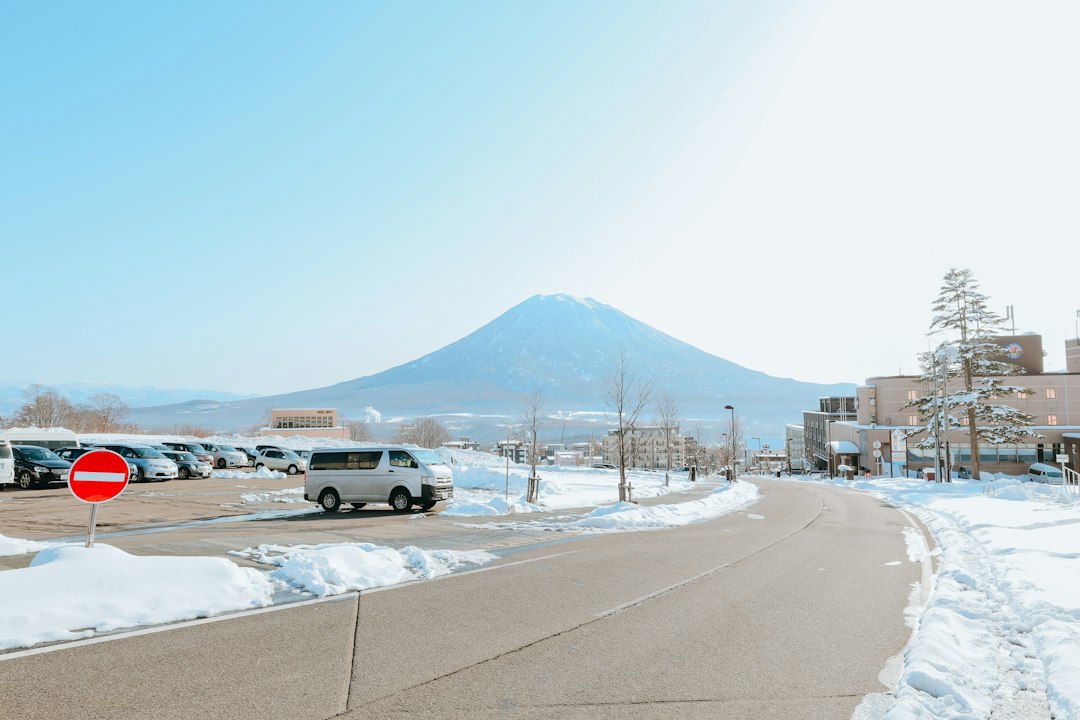
Photo by Asmut Dante on Unsplash