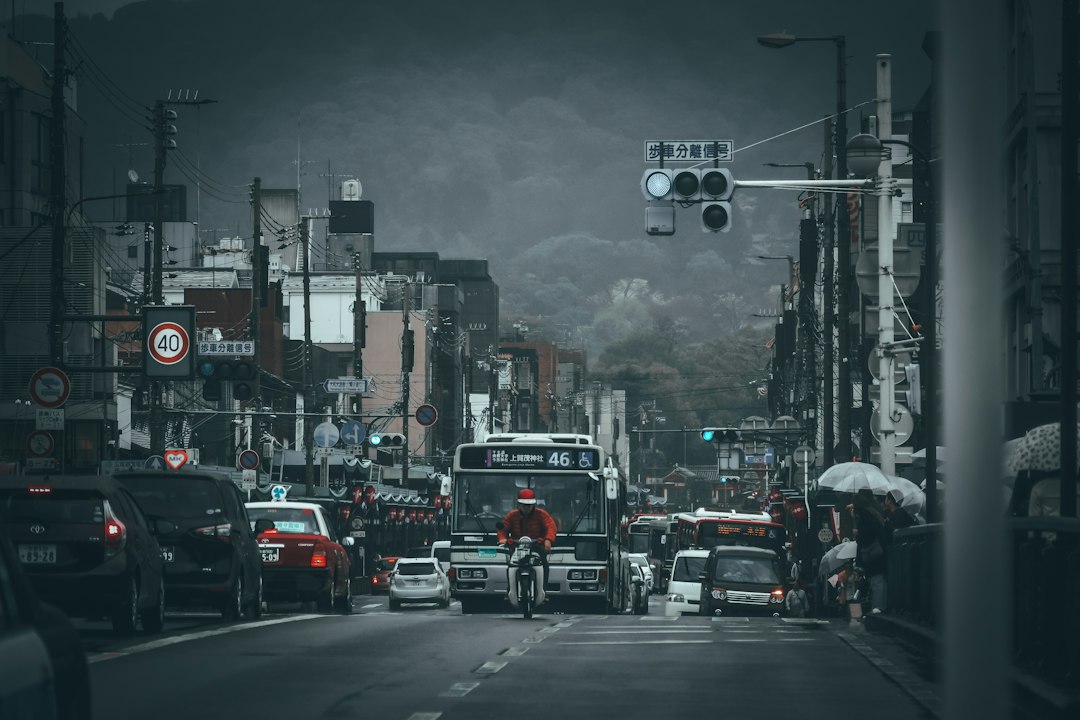
As of 2026, the Kyoto City Bus flat fare within the central tourist zone is ¥230 for adults and ¥120 for children, paid with an IC card (ICOCA, Suica, Pasmo, etc.) or exact cash on boarding. The old ¥700 all-day bus-only pass was discontinued back in March 2023 because the buses running through Higashiyama and Arashiyama were so overloaded with tourists that locals in neighborhoods like Gion and Kiyomizu-michi couldn’t get on their own commuter buses — that single change confuses more visitors planning a 2026 trip than almost anything else, so it’s worth sorting out before you land at Kyoto Station.
How the Kyoto City Bus Flat-Fare Zone Actually Works
Most of what tourists want to see — Kiyomizu-dera, Ginkaku-ji, Kinkaku-ji, Gion, Nijo Castle — sits inside the flat-fare zone, meaning one ride costs ¥230 regardless of distance. You board at the rear door and pay when you exit at the front, tapping your IC card on the reader by the driver (card readers chime twice if you tap at both front and back doors, which confuses first-timers — only tap once, when you leave). Buses heading further out, toward Ohara, Takao, or Keihoku in the mountains north of the city, use a distance-based two-tier fare system instead, where the amount owed displays on an LED board above the driver and can run ¥360–¥530 one way. If you’re heading to Ohara for Sanzen-in temple, budget for that extra fare rather than assuming the flat ¥230 applies.
What Replaced the Old One-Day Bus Pass
Since the bus-only day pass was scrapped, the Kyoto City Transportation Bureau pushes visitors toward the Kyoto City Bus & Subway One-Day Pass, priced at ¥1,100 for adults and ¥550 for children in 2026. It covers unlimited rides on city buses plus the two subway lines (Karasuma and Tozai), which is a deliberate nudge to get tourists onto the subway for parts of their route rather than clogging bus 206 through Gion at 5pm. If your day is genuinely bus-heavy — say Kinkaku-ji in the morning and Kiyomizu-dera in the afternoon with a stop at Arashiyama — four single rides at ¥230 already costs ¥920, so the combo pass pays off once you add even a short subway hop. There’s also a subway-only one-day pass at ¥800 for adults, useful if your itinerary leans toward Nanzen-ji (Keage Station, Tozai Line, 3-minute walk to the canal incline) rather than bus-dependent temples.
IC Cards: What Actually Works in 2026
ICOCA, Suica, Pasmo and the other nine regional IC cards are all interchangeable on Kyoto buses and subways — tap any of them and it works. The complication worth knowing about: JR West suspended sales of physical card-type ICOCA in mid-2024 due to a semiconductor shortage, and as of 2026 supply has only partially recovered, so some kiosks at Kyoto Station still run out by midday during peak season. If you’re arriving with an iPhone or compatible Android phone, add Mobile ICOCA or Mobile Suica to your wallet before the trip — it sidesteps the physical card shortage entirely and lets you top up with a credit card without hunting for a charging machine. If you do want a physical card, the ticket office inside the Karasuma Central Exit of Kyoto Station (near the Hachijo-guchi side, opposite the Kyoto Tower side) is the most reliable place to check stock.
The Routes That Actually Matter for Sightseeing
Forget trying to memorize the whole network — tourists realistically use a handful of lines. Bus 206 runs a loop from Kyoto Station up through Higashiyama-dori, stopping at Kiyomizu-michi (get off here and walk uphill about 10 minutes to Kiyomizu-dera) and continuing toward Gion and the Heian Shrine area. Bus 101 and 102 head toward Kinkaku-ji, with the Kinkakuji-michi stop dropping you right at the entrance path. If you’re hunting for the old Raku Bus 100 that used to run Kyoto Station to Ginkaku-ji — it was discontinued in 2019 after years of overcrowding complaints, so don’t rely on outdated blog posts or even some printed maps still floating around hostels; use bus 5 or combine the Tozai subway to Higashiyama Station and walk 20 minutes instead. For Arashiyama, skip the bus altogether if you can — the JR Sagano Line from Kyoto Station to JR Saga-Arashiyama takes just 16 minutes and avoids the bamboo-grove traffic jams that build up on Randen-area roads after 10am.
Navigating Kyoto Station’s Bus Terminal
The bus terminal outside the Karasuma Central Exit is split into lettered platforms — A1 through A3, B1 through B6, C1 through C6, D1 through D3 — and each letter cluster serves a different compass direction out of the station. Platform D2, for instance, is typically where bus 206 toward Kiyomizu/Gion loads, while Kinkaku-ji buses leave from the B platforms. Digital signage in English, Japanese, Chinese and Korean updates in real time, and the Kyoto City Bus Information Center booth near platform A2 (open roughly 7:30am–7:30pm) sells paper passes and hands out the English-language bus map if you want a paper backup to Google Maps, which occasionally lags on real-time bus positions during Gion Matsuri in July when routes get rerouted without much notice.
When the Subway Beats the Bus
During cherry blossom season (late March–early April) and autumn foliage (mid-November), buses along Higashiyama-dori can take 40 minutes to cover a 2km stretch that would take 8 minutes by subway plus a 15-minute walk. For Nanzen-ji, Ginkaku-ji’s Philosopher’s Path, and Heian Shrine, taking the Tozai Line to Higashiyama Station and walking is consistently faster than any bus option between 10am and 4pm in peak months. The subway also runs more predictably because it isn’t affected by the taxi and tour-bus congestion around Yasaka Shrine that backs up surface traffic every afternoon.
Practical Riding Tips
- Board from the rear door, exit from the front — reversed from Tokyo bus conventions, which trips up visitors coming from there.
- Have small coins ready if paying cash; the fare box gives change but slows boarding considerably during the 8am–9am and 4pm–6pm crush.
- Buses generally run from about 6am to 10:30pm, but the last buses on tourist-heavy routes like 206 can thin out after 9pm — check the posted schedule at the stop rather than assuming frequency stays constant all evening.
- Large suitcases are technically allowed but genuinely impractical on the 206 and 101 during midday; if you’re going straight from Kyoto Station with luggage, a taxi or the hotel’s luggage delivery service (many offer same-day drop-off by 6pm) is worth the extra cost.
One Last Thing Before You Go
Fare and pass prices get revised almost every year in Kyoto as the city keeps adjusting policy to manage overtourism on buses, so treat the ¥1,100 and ¥230 figures here as accurate for 2026 but double-check the Kyoto City Transportation Bureau’s English site (city bus and subway section) within a week of your trip — they’ve changed the one-day pass price twice since 2023. Also worth knowing: on the very busiest routes through Gion and Kiyomizu-michi during autumn foliage weekends, the bus itself sometimes passes stops without stopping because it’s already full, which paper maps and apps won’t warn you about — building in an extra 20–30 minutes of buffer on those days will save you from missing a dinner reservation.
Photo by Jake Weirick on Unsplash