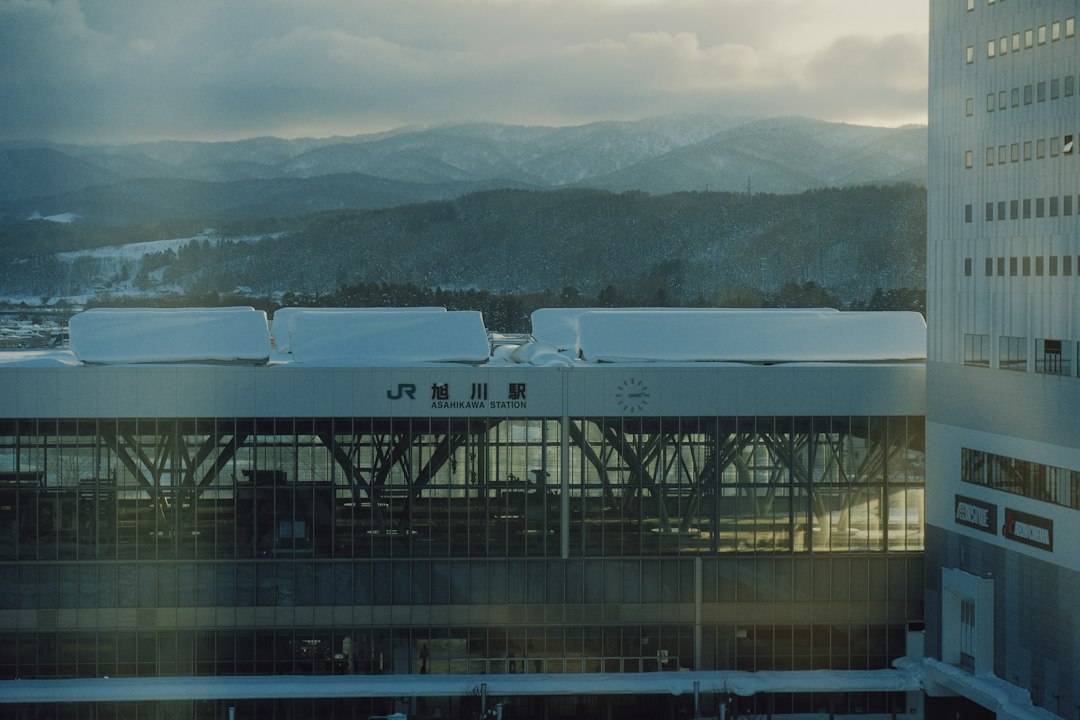
If you’re planning a Hokkaido trip for the New Year holidays, buy your JR Hokkaido Rail Pass as an e-ticket at least a few weeks before departure and reserve your Limited Express seats the moment you land — Sapporo-bound Hokuto and Kamui trains between December 28 and January 4 regularly sell out their reserved cars, and the free-seating cars get standing-room-only on travel days around Omisoka (New Year’s Eve). That single timing detail matters more than almost anything else in this guide, so start there before you plan the rest of your route.
The JR Hokkaido Rail Pass is a separate product from the nationwide JR Pass, sold only through jrhokkaido.co.jp or partner agencies, and it only covers JR Hokkaido lines plus the short Hokkaido Shinkansen stretch between Shin-Hakodate-Hokuto and Shin-Aomori. It does not cover the Sapporo City Subway, streetcars, or private railways like the Hakodate City Tram, so you’ll still need a Kitaca IC card (or cash) for getting around Susukino or up to Hokkaido Jingu.
2026 Pass Prices and Which Version to Buy
As of 2026, JR Hokkaido sells four flexible/consecutive options (always confirm the exact yen figure on the official site before buying, since fares get periodically revised): a 3-Day Consecutive Pass around ¥18,000, a Flexible 4-Day Pass (any 4 days within a 6-day window) around ¥24,000, a Consecutive 7-Day Pass around ¥26,000, and a Flexible 10-Day Pass (any 10 days within 14) around ¥32,000. Children aged 6–11 pay roughly half. For a one-week loop covering Sapporo, Otaru, Asahikawa, and Hakodate, the 7-day consecutive version almost always beats buying individual Limited Express tickets — a single one-way Hokuto fare from Sapporo to Hakodate with reserved seat already runs about ¥9,440, so two round trips alone can cover half the pass cost.
How the Core Routes Actually Work
Sapporo functions as the hub, and from JR Sapporo Station (the underground Paseo concourse connects directly to the Rail Pass Sales Center, open roughly 8:30–18:30) you can reach almost everywhere on four limited express lines: the Hokuto to Hakodate (about 3 hours 58 minutes, 10–12 round trips daily), the Kamui/Lilac to Asahikawa (about 1 hour 25–40 minutes), the Okhotsk to Abashiri (around 5 hours 30 minutes), and the Sarobetsu to Wakkanai (around 5 hours). From New Chitose Airport, the Rapid Airport train gets you into Sapporo Station in 37 minutes for ¥1,150 non-reserved, or ¥1,990 with a reserved uSeat — worth it with heavy ski luggage in January.
For a Niseko ski trip specifically, there’s no direct Shinkansen or limited express access: you take the Hakodate Main Line local/rapid service from Otaru to Kutchan (roughly 2 hours, old diesel rolling stock, limited winter timetable of around 8 trains a day), then a resort shuttle bus or taxi the rest of the way. The pass covers the train portion but not the shuttle, so budget ¥3,000–¥4,000 for the bus transfer from Kutchan Station to Hirafu.
A Realistic 7-Day Winter Itinerary
- Day 1: Fly into New Chitose, Rapid Airport to Sapporo Station (37 min), check into Susukino or Odori Park area.
- Day 2: Day trip to Otaru on a local/rapid train (32–45 minutes, around ¥750 one-way), walk the Otaru Canal and Sakaimachi Street.
- Day 3: Reserved-seat Kamui to Asahikawa (1h25m), visit Asahiyama Zoo, overnight near Asahikawa Station.
- Day 4: Return toward Sapporo, side trip via bus to Furano if the seasonal Furano Line service is running — note that the scenic Furano Biei Norokko sightseeing train is summer-only and does not operate in winter, so a regular bus connection is usually needed instead.
- Day 5–6: Hokuto to Hakodate (about 4 hours), ride the Hakodate City Tram (not pass-covered, ¥260 flat fare) up to the Mt. Hakodate ropeway area for the night view.
- Day 7: Hokuto back to Sapporo, free afternoon before your flight.
Where to Collect the Pass and Reserve Seats
Exchange counters/Sales Centers exist at New Chitose Airport Terminal 1F (near the Rapid Airport gates), Sapporo Station’s West Concourse, Hakodate Station, and Asahikawa Station. Seat reservations are free with the pass and can be made at any Midori-no-Madoguchi ticket counter up to one month ahead — for New Year travel, make these reservations in early December, because by mid-December the window seats on the Hokuto and Kamui services for December 30–January 3 are often already gone.
New Year and Winter-Specific Planning Notes
If hatsumode is part of your plan, Hokkaido Jingu in Maruyama Park is the main shrine for Sapporo residents, reached via the Sapporo City Subway Tozai Line to Maruyama-koen Station — this is subway, not JR, so it needs a Kitaca tap (around ¥250 one-way) even if you’re carrying the JR Hokkaido pass. Sapporo White Illumination in Odori Park typically runs from late November through roughly January 4, and the adjacent Munich Christmas Market portion closes around December 25, so if illumination photos matter to your trip, build in an evening in Sapporo before the market stalls pack up rather than after New Year’s.
Weather delays are routine in Hokkaido winters, and the Soya Main Line up to Wakkanai is the line most prone to full suspensions during blizzards in late December and January, particularly the Teshio-Nakagawa to Wakkanai stretch. If Wakkanai or the far north is on your list during this period, build a spare day into the schedule or check ANA/JAL flight alternatives from New Chitose as a backup, since the limited express Sarobetsu can be cancelled with only a few hours’ notice during heavy snow warnings.
One Thing to Check Before You Commit to the Pass
The most common mistake isn’t picking the wrong route, it’s buying a pass that’s longer than the trip actually needs. If your real travel days amount to only two or three long-distance rides — say Sapporo–Hakodate round trip plus one Asahikawa day — individual reserved tickets purchased through the JR East/Hokkaido app can come out cheaper than even the 3-Day pass, since short local hops within Sapporo don’t benefit from it at all. Add up your planned Limited Express segments in yen before purchasing, and only then decide which pass tier, if any, makes sense for your specific New Year itinerary.
Photo by Cuvii on Unsplash