Planning a trip to Japan in 2026? One of the smartest things you can do before you even clear customs is arrange an unlimited data pocket WiFi rental at the airport. With Google Maps, translation apps, restaurant reservations, and train navigation all requiring constant connectivity, staying online from the moment you land is essential for a stress-free trip. This 2026 guide covers everything you need to know about renting pocket WiFi at Japanese airports — pricing, top providers, pickup/return logistics, and how it compares to eSIMs and physical SIM cards.
Why Choose Pocket WiFi Over a SIM Card or eSIM in 2026?
Japan now offers travelers three main connectivity options: pocket WiFi routers, physical SIM cards, and eSIMs. As of 2026, pocket WiFi remains the top choice for groups, families, and business travelers because a single device can connect up to 5–10 smartphones, tablets, and laptops simultaneously on one shared unlimited data plan. This means a family of four can share one router instead of buying four separate SIMs or eSIMs, making it significantly more cost-effective per person.
Pocket WiFi also doesn’t require swapping out your home SIM card, so you keep your original phone number active for calls and SMS verification codes — a major advantage over physical SIM cards. eSIMs are convenient for solo travelers with compatible phones, but pocket WiFi still wins for device flexibility and group travel.
Best Airports for Pocket WiFi Pickup in Japan
Almost every major international gateway in Japan has dedicated pocket WiFi rental counters near the arrival lobby, typically close to currency exchange desks and SIM card kiosks. As of 2026, you’ll find well-staffed counters at:
- Narita International Airport (NRT) – Terminals 1, 2, and 3 arrival halls
- Haneda Airport (HND) – International Terminal 3 arrivals
- Kansai International Airport (KIX) – Terminal 1 arrival lobby
- Chubu Centrair International Airport (NGO) – Arrival floor
- Fukuoka Airport International Terminal – Arrival lobby counter
- New Chitose Airport (Sapporo) – Seasonal but growing kiosk availability
Most counters open early (around 6:30–7:00 AM) and close late (around 9:30–10:00 PM) to accommodate the majority of international flight arrival times.
Top Pocket WiFi Providers in Japan (2026)
The Japanese pocket WiFi rental market has matured significantly, with several reliable providers competing on speed, coverage, and customer service:
1. Ninja WiFi
One of the most established providers with counters at all major airports. Offers genuinely unlimited data plans on 4G/5G networks with speeds suitable for video calls and streaming. Reservations can be made online in advance for guaranteed same-day pickup.
2. Japan Wireless
Popular for its free delivery to hotels and airports, plus a postage-paid return envelope option so you don’t have to visit a counter again before departure.
3. Global Advanced Communications (GAC)
Known for high-speed unlimited plans and multilingual support staff, GAC is a favorite among business travelers who need dependable connectivity.
4. Sakura Mobile
Offers both pocket WiFi and SIM/eSIM options, with English-language customer support via chat available 24/7 — useful if your router malfunctions mid-trip.
2026 Pricing Overview
As of 2026, typical pocket WiFi rental rates in Japan range from approximately ¥600 to ¥1,200 per day depending on the provider, data speed tier, and rental duration. Longer rentals (7+ days) often come with discounted daily rates, sometimes dropping to around ¥500/day for two-week bookings. Deposits are generally not required if you reserve online with a credit card, though some counters may hold a refundable deposit (typically ¥1,000–¥3,000) for walk-in same-day rentals without prior booking.
Always check the provider’s official website for current 2026 pricing, as exchange rates and promotional campaigns can shift rates slightly throughout the year.
Understanding “Unlimited Data” Fair Usage Policies
While providers advertise “unlimited data,” it’s important to read the fine print. Most Japanese pocket WiFi rentals in 2026 impose a fair usage policy (FUP) — typically after exceeding 3GB–10GB of usage within a single day, speeds may be temporarily throttled to around 128–512 Kbps for the remainder of that day before resetting. This is usually still sufficient for maps, messaging, and light browsing, but heavy 4K video streaming may be affected. If you plan to stream constantly, ask specifically about “true unlimited” high-speed plans, which some premium providers now offer at a higher daily rate.
How to Reserve Pocket WiFi Before Arrival
The easiest way to guarantee availability, especially during peak seasons like cherry blossom season (late March–April) or autumn foliage season (November), is to reserve online 1–2 weeks before departure. The typical process is:
- Book your rental period and airport pickup location on the provider’s website
- Receive a confirmation email with a reservation number
- Present your passport and confirmation at the airport counter upon arrival
- Collect your router, charging cable, and carrying pouch
- Return the device at the same or a partner airport counter, or via provided postage envelope, before your departure flight
Battery Life and Coverage Considerations
Most 2026-model pocket WiFi routers offer 8–12 hours of battery life on a single charge, which is generally enough for a full day of sightseeing. Consider packing a portable power bank if you’re doing long train rides through rural areas (Tohoku, Hokkaido countryside, or remote parts of Kyushu) where signal coverage, while still generally excellent, can occasionally dip in mountainous or tunnel-heavy regions.
Pocket WiFi vs. IC Cards vs. JR Pass: Planning Your Full Connectivity & Transit Kit
While you’re organizing your pocket WiFi rental, it’s worth planning your transit essentials too. As of 2026, Suica and Pasmo IC cards can be loaded and used directly via the Mobile Suica/Pasmo app on many foreign smartphones (both iPhone and select Android models), reducing the need for a physical card in many cases — though physical IC cards are still widely available at airport ticket machines. If you’re traveling extensively by train, compare current JR Pass pricing (which increased in October 2023 and remains at that higher rate as of 2026) against individual point-to-point ticket costs to see which is more economical for your itinerary.
Final Tips for a Smooth Pickup
- Double-check your flight arrival terminal matches your reserved pickup counter
- Bring your passport and reservation confirmation (printed or on your phone)
- Test the connection before leaving the airport counter
- Note the return deadline and counter location for your departure day
- Keep the charging cable and pouch to avoid loss fees
Renting unlimited data pocket WiFi at a Japanese airport remains one of the most convenient and affordable ways to stay connected throughout your 2026 trip. With competitive pricing, widespread airport availability, and reliable 4G/5G coverage across the country, it’s an easy box to check before you start exploring Japan. As always, verify current rates and fair usage policies directly on your chosen provider’s official website before booking, since terms can be updated throughout the year.
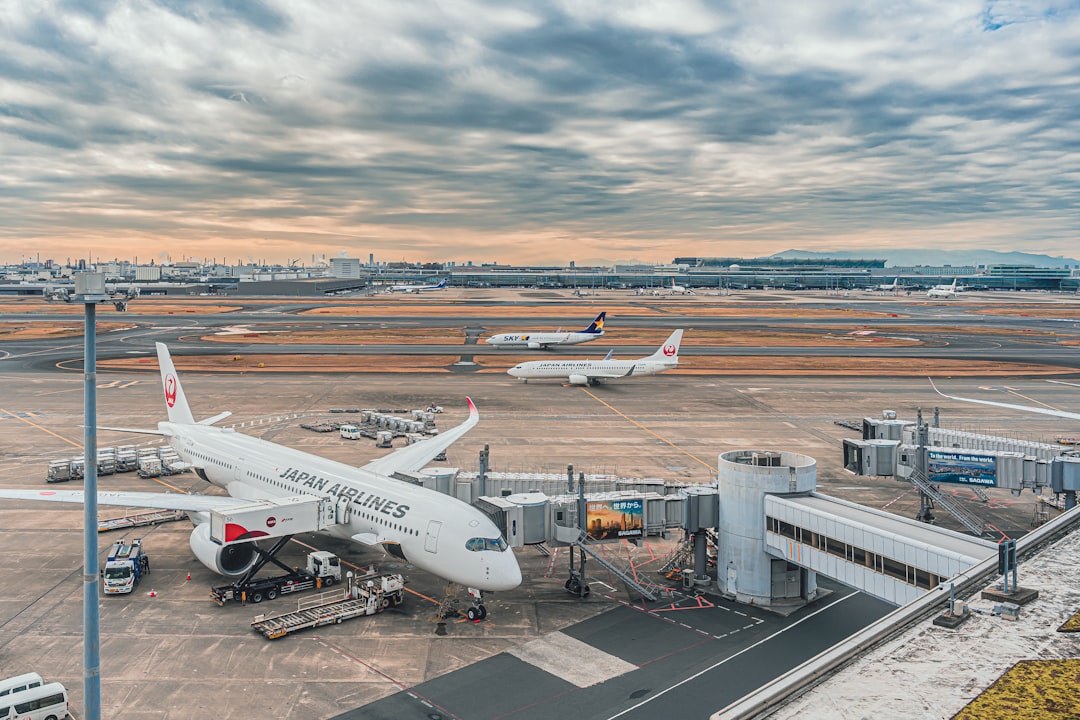
Photo by mos design on Unsplash