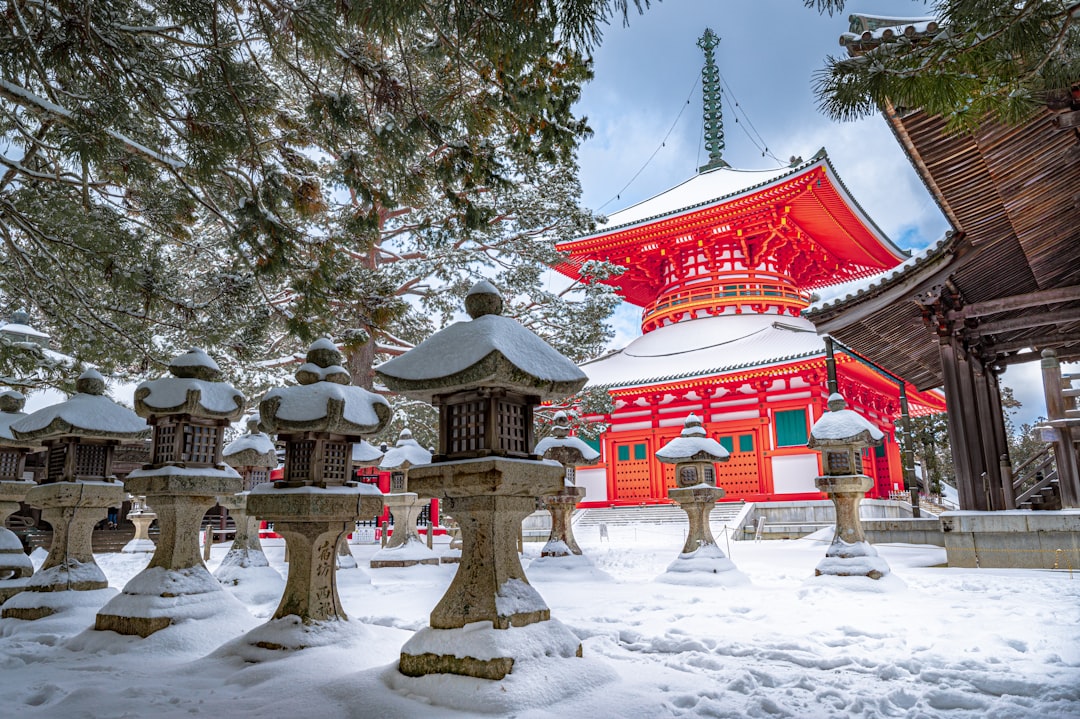
Japan’s New Year (Oshogatsu) is one of the most magical times to visit the country, but it’s also one of the busiest. As of 2026, with international tourism at record highs and domestic travel booming during the year-end holidays, popular shrines, temples, and cities can feel overwhelmingly packed between December 28 and January 4. The good news? With smart planning, you can still experience hatsumode (the first shrine visit of the year), winter illuminations, and snowy landscapes without being swallowed by crowds. This guide shares proven strategies for a peaceful, memorable New Year trip to Japan in 2026.
Why New Year in Japan Gets So Crowded
Oshogatsu is Japan’s most important holiday. Most businesses close from around December 29 to January 3, and millions of Japanese travel domestically to visit family, perform hatsumode, and enjoy seasonal illuminations. Combine this with a surge of international tourists chasing snow festivals, hot springs, and New Year traditions, and you get a perfect storm of congestion at train stations, airports, shrines, and popular tourist towns.
Peak Crowd Days to Watch Out For
- December 28-30: Mass domestic travel begins as people head to hometowns
- December 31: Countdown events and Joya no Kane (temple bell ringing) draw huge crowds
- January 1-3: Hatsumode rush at major shrines like Meiji Jingu, Fushimi Inari, and Sensoji
- January 2-4: Return travel congestion at airports and shinkansen stations
1. Choose Off-the-Beaten-Path Shrines for Hatsumode
Everyone wants to visit Meiji Jingu or Fushimi Inari Taisha, which means wait times can stretch beyond two hours. Instead, seek out smaller, equally beautiful shrines in the same city.
- In Tokyo, try Nezu Shrine, Hikawa Shrine in Akasaka, or Kanda Myojin instead of Meiji Jingu
- In Kyoto, visit Yoshida Shrine or Shimogamo Shrine rather than fighting crowds at Fushimi Inari
- In Osaka, consider Namba Yasaka Shrine over the packed Sumiyoshi Taisha
These lesser-known spots offer the same spiritual experience, beautiful winter scenery, and often serve amazake (sweet sake) and charms just like their famous counterparts, minus the multi-hour lines.
2. Visit Popular Shrines at Off-Peak Hours
If you must visit a famous shrine, timing is everything. The absolute worst time is midnight on December 31 through the early morning of January 1. Instead:
- Go on January 4-7, when crowds thin dramatically but decorations and festive atmosphere remain
- Visit late afternoon (around 4-5 PM) rather than morning, when the initial rush has passed
- Consider January 2nd afternoon or January 3rd, which are slightly calmer than January 1st
3. Escape to Snow Country Instead of Cities
While Tokyo, Kyoto, and Osaka overflow with visitors, Japan’s snow regions offer a quieter, equally rewarding New Year experience. Consider these alternatives:
- Nozawa Onsen or Hakuba: Enjoy hot springs, skiing, and traditional dosojin fire festivals with far fewer international tourists than Niseko
- Tohoku region (Yamagata, Aomori): Experience snow monsters (juhyo) at Zao Onsen and authentic winter illuminations without Tokyo-level crowds
- Kanazawa: A beautifully preserved city with New Year traditions, snow-dusted gardens like Kenrokuen, and significantly fewer visitors than Kyoto
These destinations let you experience kotatsu culture, steaming hot springs, and snowy landscapes while avoiding the chaos of major metropolitan hatsumode crowds.
4. Master Japan’s Transportation During Peak Season
Trains and planes fill up months in advance for the New Year period. As of 2026, here’s how to navigate transportation smartly:
Book Shinkansen Tickets Early
Reserved seats for December 28-January 4 often sell out weeks ahead. Book through the official JR East or JR Central websites, or use apps like SmartEX as soon as your dates are confirmed, ideally 1-2 months in advance.
Consider Regional Rail Passes Over the JR Pass
The nationwide JR Pass (priced at 50,000 yen for a 7-day ordinary pass as of the October 2023 price revision, still in effect in 2026) may not offer the best value if you’re focusing on one region. Regional passes like the JR East Pass or JR Kansai Area Pass can be more economical and help you avoid crowded shinkansen platforms by using regional limited express trains instead.
Use IC Cards Wisely
Suica and Pasmo now support most major foreign credit cards for mobile top-ups via Apple Pay and Google Pay as of 2026, making it easier to avoid ticket machine lines during the holiday rush. However, physical IC card issuance has faced periodic shortages, so consider setting up a mobile IC card before arrival.
5. Travel Mid-Week and Avoid Key Transit Dates
If your schedule is flexible, arrive in Japan on December 26-27 (before the rush) or after January 5 (once the holiday exodus concludes). Avoid flying into Narita, Haneda, or Kansai International on December 28-29 or January 3-4, when both airports experience their heaviest congestion of the year.
6. Skip Tokyo and Kyoto City Centers on December 31-January 2
Instead of joining the crowds at Shibuya Crossing or Yasaka Shrine, consider:
- Day-tripping to quieter suburbs like Kamakura (though also visit early morning) or Kawagoe
- Exploring lesser-known neighborhoods like Yanaka in Tokyo, known for its old-town charm and small shrines
- Visiting museums and indoor attractions, which see reduced traffic during outdoor countdown events
7. Book Accommodations With Flexible Cancellation Early
Hotels in popular areas sell out 3-6 months ahead for New Year, with prices often doubling. Book refundable reservations as early as possible, then adjust plans as your itinerary solidifies. Ryokan in less touristy onsen towns often have better availability than those in Hakone or Kyoto.
8. Embrace Winter Illuminations in Secondary Cities
Tokyo’s Marunouchi and Roppongi illuminations draw massive crowds, but cities like Sapporo (White Illumination), Kobe (Luminarie, held in early December but effects last into the New Year season), and Fukuoka offer equally stunning light displays with far more breathing room.
9. Pack Smart for Crowd-Avoidance and Cold Weather
Successful crowd avoidance also means being prepared to move quickly and comfortably:
- Wear layers and a warm, packable coat, since Japan’s winter temperatures often drop below freezing, especially in Tohoku and Hokkaido
- Bring hand warmers (kairo), widely available at convenience stores, for outdoor shrine visits
- Wear comfortable, waterproof shoes for navigating potentially icy or snowy pathways
- Carry a portable charger, as GPS navigation around unfamiliar back routes drains batteries quickly
10. Use Real-Time Crowd Data
Google Maps’ popular times feature and Japanese apps like NAVITIME now offer reasonably accurate real-time congestion estimates for shrines and stations. Check these before heading out, especially around December 31-January 3, to reroute toward quieter alternatives on the fly.
Final Thoughts
Experiencing Japan’s New Year traditions doesn’t have to mean fighting through suffocating crowds. By choosing lesser-known shrines, timing your hatsumode visit strategically, exploring snow country instead of major cities, and booking transportation and accommodation early, you can enjoy an authentic, peaceful Oshogatsu experience in 2026. Whether it’s sipping amazake at a quiet neighborhood shrine or watching snow fall over a Tohoku onsen town, Japan’s winter magic is best enjoyed away from the crowds.
Photo by Samuel Berner on Unsplash