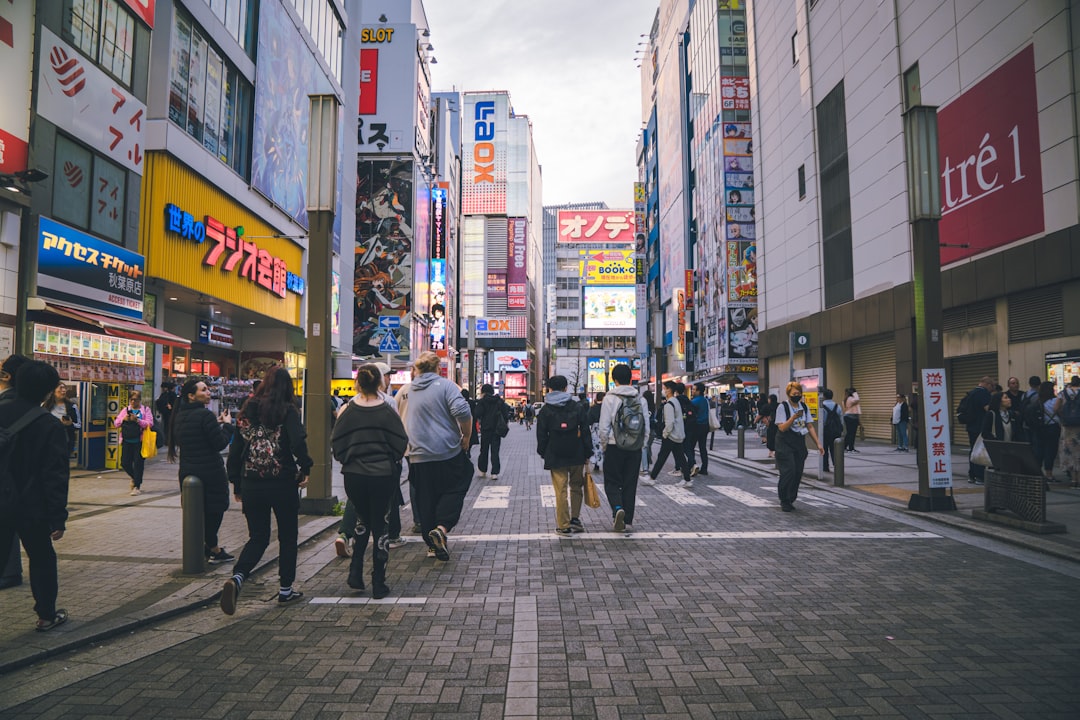
Akihabara Tax-Free Shopping in 2026: What You Need to Know
Akihabara, Tokyo’s legendary “Electric Town,” remains one of the best places in Japan to buy cameras, gaming consoles, headphones, retro collectibles, and cutting-edge gadgets. But before you start filling your suitcase, it’s essential to understand how tax-free shopping works in 2026, because Japan has been updating its consumption tax exemption system, and rules can differ slightly from what you may have read in older guides. This comprehensive guide covers everything from eligibility requirements to the best stores, so you can shop smart and save the full 10% consumption tax on your Akihabara haul.
Understanding Japan’s Consumption Tax and Tax-Free System
Japan applies a 10% consumption tax on most goods and services (8% for food and non-alcoholic drinks). Overseas visitors on a temporary visitor visa (tourist status, stay under 6 months) are eligible to shop tax-free at officially designated stores, and nearly every major electronics retailer in Akihabara participates in this program.
Key Eligibility Rules (2026)
- You must be a foreign tourist holding a valid “Temporary Visitor” stamp or sticker in your passport (business and short-term visits typically qualify; residents and long-term visa holders do not).
- Minimum purchase amount is generally ¥5,000 (tax excluded) per store, per day, though some stores now combine general and consumable goods thresholds under unified rules.
- Your passport must be presented and scanned or photocopied at the point of purchase — always carry the physical passport, as some stores in 2026 still do not accept digital passport copies.
- Purchased electronics must be taken out of Japan within 30 days of purchase.
- As of 2026, Japan continues transitioning toward a refund-at-departure model (similar to South Korea’s system) for select categories, meaning some purchases may charge tax upfront with a refund processed at the airport before departure. This reform is being rolled out gradually, so always confirm with the store whether the exemption applies immediately at checkout or requires airport refund processing.
Because these rules are being updated, it’s wise to check the official Japan National Tourism Organization (JNTO) website or the Japan Customs site closer to your travel dates for the latest confirmed procedures.
Top Tax-Free Electronics Stores in Akihabara
Yodobashi Camera Multimedia Akiba
This massive multi-floor flagship store near Akihabara Station is a one-stop shop for cameras, laptops, drones, smart home devices, and anime merchandise. English-speaking staff are available, and the tax-free counter is efficient even during peak tourist season.
Sofmap Akihabara
Known for competitive prices on used and new electronics, gaming hardware, and PC components. Sofmap has several branches across Akihabara specializing in different categories (PCs, mobile devices, retro games), each with tax-free service.
Laox Akihabara
Laox has served international shoppers for decades and offers multilingual staff fluent in Chinese, English, and Korean. It’s particularly popular for rice cookers, beauty devices, and small home appliances alongside electronics.
BIC Camera & Akiba Souvenir Areas
While BIC Camera’s main flagship is in Yurakucho, its Akihabara-area presence and partner stores still offer duty-free electronics with helpful staff and frequent discount coupons for tourists (often available at the tourist information counter or via travel apps).
Step-by-Step: How to Shop Tax-Free in Akihabara
- Step 1: Bring your passport (original, not a photo) everywhere you shop.
- Step 2: Look for the “Tax-Free” or “Duty Free” signage at store entrances — nearly all major Akihabara electronics retailers display this clearly.
- Step 3: Select your items and inform staff you’d like tax-free processing before paying.
- Step 4: Present your passport at the dedicated tax-free counter (often a separate counter from regular checkout).
- Step 5: Sign the digital or paper declaration confirming the goods will be exported within 30 days.
- Step 6: Keep the tax-free receipt attached to your passport (staff usually staple or scan it electronically) — you may need to show this at airport customs when leaving Japan.
Money-Saving Tips for Akihabara Shopping
- Compare prices between Yodobashi, Sofmap, and Laox before buying big-ticket items like cameras or laptops, as pricing can vary by several thousand yen.
- Combine tax-free savings with store membership discounts or tourist coupons — many stores offer an additional 5-10% off via apps like Klook, Trip.com, or printed coupons from the Akihabara tourist information center.
- Check voltage and plug compatibility for electronics before purchasing, since Japan uses 100V (unlike most other countries), which can affect appliances like rice cookers or hair tools.
- Ask about international warranty coverage — some electronics sold in Japan only carry domestic warranties, which matters for expensive purchases like cameras or drones.
- Visit on weekday mornings to avoid the heaviest tourist crowds at tax-free counters, especially during peak seasons like Golden Week or New Year holidays.
Payment Methods and IC Cards
Most Akihabara electronics stores accept major credit cards, and increasingly, contactless payments and mobile wallets. If you’re using an IC card like Suica or Pasmo for transit, note that as of 2026, foreign-issued contactless cards and smartphones (Apple Pay/Google Pay with Suica) can be used directly in many cases, reducing the need for a physical IC card top-up. However, for large electronics purchases, credit cards remain the most practical and secure payment option, and some stores offer additional discounts for specific card networks like UnionPay or Alipay for international shoppers.
Getting to Akihabara
Akihabara Station is served by the JR Yamanote Line, JR Sobu Line, Hibiya Line (Tokyo Metro), and Tsukuba Express, making it one of the most accessible districts in Tokyo. If you’re using a Japan Rail Pass for a longer trip around the country, note that JR Pass prices were raised in October 2023 and remain at the higher rate as of 2026 (a 7-day ordinary pass costs around ¥50,000), so weigh whether a regional pass or single tickets make more sense if Tokyo is your main destination.
Frequently Asked Questions
Is tax-free shopping only for large purchases?
No, but you generally need to spend at least ¥5,000 (before tax) at a single store on the same day to qualify, so it’s worth consolidating smaller purchases when possible.
Can I get a refund if I forgot to buy tax-free?
Generally no — the exemption must be processed at the time of purchase. There is no retroactive refund once you’ve paid full price and left the store.
Do I need to show my purchases again at the airport?
In most cases, no, but as Japan transitions toward a refund-at-departure system for certain goods in 2026, some purchases may require presenting items and receipts at a customs counter before departure. Always keep your tax-free receipts accessible in your carry-on luggage, not checked baggage, just in case.
Final Thoughts
Akihabara remains an electronics shopper’s paradise, and with a clear understanding of Japan’s 2026 tax-free rules, you can maximize your savings while picking up cameras, gaming gear, and unique gadgets you won’t find at home. Always carry your passport, confirm current regulations at the point of purchase, and check official JNTO or Japan Customs updates before your trip, since tax-free procedures continue to evolve. Happy shopping in Electric Town!
Photo by Alexandre Valdivia on Unsplash