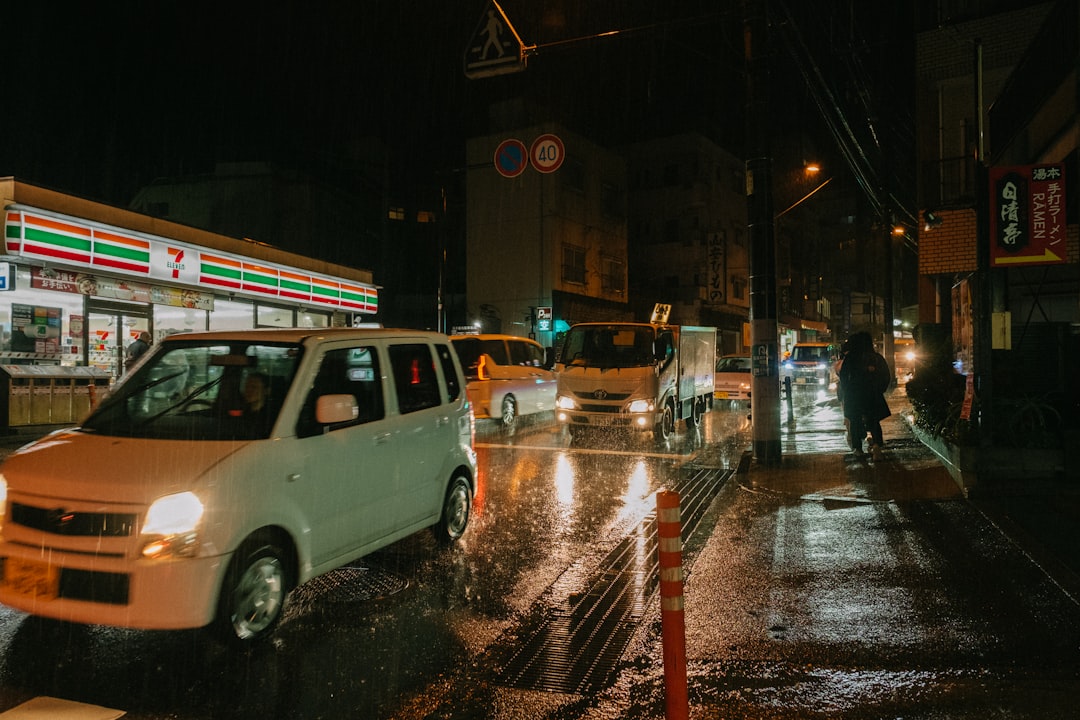
Planning a trip to Japan between June and October in 2026? You’ll want to understand typhoon season before you pack your bags. Typhoons (called “taifu” in Japanese) are a regular part of life in Japan during these months, and while most visits are unaffected, being unprepared can turn a minor weather event into a stressful, expensive ordeal. This guide covers everything you need to know to stay safe, informed, and flexible if a typhoon crosses your path in 2026.
When Is Typhoon Season in Japan?
Japan’s typhoon season officially runs from May through October, but the highest risk period is August and September, when the warmest ocean waters fuel the strongest storms. Okinawa and the southern islands often see activity starting as early as June, while Honshu (including Tokyo, Osaka, and Kyoto) typically faces the greatest impact in late August through September. If your 2026 itinerary falls within this window, build some flexibility into your plans from the start.
How to Monitor Typhoons Before and During Your Trip
Staying informed is your first line of defense. Rely on these trusted sources rather than social media rumors:
- Japan Meteorological Agency (JMA) – the official government source for storm tracking, warnings, and evacuation advisories, available in English.
- Windy.com or Windy app – excellent visual typhoon tracking with multiple forecast models.
- NHK World – English-language news broadcasts with real-time typhoon updates.
- Safety Tips app – a free app by the Japan Tourism Agency that pushes earthquake, typhoon, and tsunami alerts directly to your phone in multiple languages.
Download the Safety Tips app before you leave home. As of 2026, it remains the single most useful tool for foreign travelers, offering push notifications for evacuation orders, transportation disruptions, and shelter locations.
Before You Travel: Planning Tips
A little preparation goes a long way. Consider the following before departure:
- Check long-range forecasts about a week before your trip, though typhoon paths can shift dramatically within 48–72 hours.
- Avoid booking non-refundable activities (boat tours, outdoor festivals, theme parks) during peak typhoon weeks if possible.
- Choose accommodation in well-built, modern buildings rather than older wooden structures in flood-prone or coastal areas.
- Purchase comprehensive travel insurance that explicitly covers typhoon-related trip interruptions, flight cancellations, and medical emergencies. Not all basic policies include weather-related delays, so read the fine print carefully.
- Keep digital and printed copies of your itinerary, accommodation bookings, and emergency contacts.
During a Typhoon: Staying Safe
If a typhoon warning is issued while you’re in Japan, follow these safety practices:
- Stay indoors. Wind gusts during a typhoon can exceed 150 km/h, capable of throwing debris and shattering glass. Avoid windows and balconies.
- Avoid rivers, canals, and coastal areas. Storm surge and flash flooding are the leading causes of typhoon-related fatalities in Japan.
- Stock up on water, snacks, and a flashlight in case of power outages, especially in rural areas or smaller cities.
- Charge your phone and portable battery pack before the storm peaks, as power may be interrupted.
- Follow evacuation orders immediately if issued for your area — these are categorized by the JMA on a five-level scale, with Level 4 meaning “evacuate now.”
- Avoid unnecessary travel during the storm’s peak hours, even if trains are still running, as service can be suspended mid-journey.
Transportation Disruptions: What to Expect
Japan’s transportation network is remarkably efficient, but typhoons routinely disrupt it. Understanding the system will save you frustration:
- Planned suspensions (keikaku unko): JR and other rail companies often announce train suspensions a day in advance once a typhoon’s path becomes clearer. This is a safety-first approach, so check JR East, JR West, or JR Central websites directly for real-time updates.
- Shinkansen delays: Bullet trains typically resume faster than local lines once winds drop below safety thresholds, but expect reduced speeds or full suspensions during the storm’s peak.
- Flight cancellations: Domestic and international flights are frequently cancelled or delayed. Airlines like ANA and JAL usually offer free rebooking during typhoon warnings — sign up for their alert notifications.
- JR Pass considerations: If you’re using a Japan Rail Pass (priced at approximately 50,000 yen for a 7-day ordinary pass as of the October 2023 price increase, still in effect in 2026), note that pass validity isn’t extended for typhoon disruptions, so factor in buffer days when planning tight itineraries.
Staying Connected and Managing Money
A few practical notes for 2026 travelers:
- IC cards (Suica/Pasmo): These remain essential for convenience store purchases and transit during disruptions. As of 2026, mobile Suica on iPhone and select Android devices supports direct top-up with many foreign credit cards, making it easier to manage funds if you’re stuck waiting out a storm.
- Tax-free shopping: If a typhoon delays your departure and you need to shop for essentials, remember Japan’s consumption tax remains at 10% (8% for food and non-alcoholic beverages), with tax-free purchases available at participating stores for tourists with a valid passport, subject to minimum purchase amounts — always keep receipts until you leave the country.
- Visa and entry considerations: Typhoon delays don’t affect visa validity, but if your flight is cancelled and you need to extend your stay, check current visa-free entry rules for your nationality as of 2026 on the Ministry of Foreign Affairs website, since permitted stay durations vary by country.
Packing Checklist for Typhoon Season
- A compact, sturdy umbrella (convenience stores sell inexpensive ones, but a quality travel umbrella withstands wind better)
- A lightweight rain jacket
- Waterproof phone pouch
- Portable phone charger/power bank
- Quick-dry clothing and extra socks
- A physical map or offline map app in case of connectivity issues
What to Do If an Evacuation Order Is Issued
If you’re staying in a hotel, follow staff instructions immediately — Japanese hotels are well-trained in disaster response and will direct you to designated shelters or safe zones. If you’re in a rental apartment or guesthouse, use the Safety Tips app to locate your nearest evacuation center (hinanjo). Bring your passport, phone, charger, and any essential medication. Avoid elevators during power outages and use stairs.
Final Thoughts
Typhoons are a predictable, well-managed part of Japanese life, and the country’s infrastructure, early warning systems, and disaster preparedness are among the best in the world. With the right apps, insurance, and a flexible mindset, a typhoon shouldn’t ruin your 2026 trip — it might just mean an extra cozy day exploring indoor attractions, trying local convenience store snacks, or catching up on rest before your journey continues. Stay informed, stay flexible, and always prioritize safety over sightseeing when a storm is bearing down.
Photo by Shearer on Unsplash