Planning a trip to Japan in 2026? One of the biggest money-and-time decisions you’ll face is choosing between the national Japan Rail Pass and one of the many JR regional passes. Since the October 2023 price hike, the national JR Pass is no longer the automatic best choice for every traveler, and regional passes have become increasingly attractive for shorter or region-focused itineraries. This 2026 guide breaks down current pricing, coverage, and practical scenarios to help you decide which pass actually saves you money.
What Is the National JR Pass?
The Japan Rail Pass (JR Pass) is a nationwide rail pass that covers travel on almost all JR trains across Japan, including most Shinkansen (bullet trains), excluding the fastest Nozomi and Mizuho services. As of 2026, the pass is available to foreign tourists and can be purchased online or at major stations in Japan.
2026 National JR Pass Pricing (Adult, Ordinary Car)
- 7-day pass: ¥50,000
- 14-day pass: ¥80,000
- 21-day pass: ¥100,000
Green Car (first class) passes cost significantly more, roughly ¥70,000 for 7 days, ¥110,000 for 14 days, and ¥140,000 for 21 days. These prices reflect the major increase implemented in October 2023 and remain in effect as of 2026 — always verify current rates on the official Japan Rail Pass website before purchasing, as fares are subject to periodic revision.
What Are JR Regional Passes?
Regional passes are issued by individual JR companies (JR East, JR West, JR Central, JR Kyushu, JR Hokkaido, JR Shikoku) and cover specific geographic areas rather than the whole country. They’re often far cheaper and better suited to travelers who plan to explore one region in depth rather than crisscross the entire archipelago.
Popular Regional Passes in 2026
- JR Tokyo Wide Pass (3 days, approx. ¥15,000) – Covers Tokyo, Nikko, Karuizawa, Mt. Fuji area (via Kawaguchiko), and GALA Yuzawa. Great for short Tokyo-based trips with day excursions.
- JR Kansai Area Pass (1-4 days, approx. ¥2,800-¥5,600) – Covers Osaka, Kyoto, Kobe, Nara, and Kansai Airport access. Ideal for travelers focusing solely on the Kansai region.
- JR Kansai-Hiroshima Area Pass (5 days, approx. ¥12,000) – Extends coverage to Okayama and Hiroshima, useful for a Kyoto-to-Hiroshima itinerary.
- JR Kyushu Rail Pass (3-7 days, approx. ¥10,000-¥18,000) – Covers all of Kyushu including Fukuoka, Nagasaki, Kumamoto, and Kagoshima, with North Kyushu-only and All-Kyushu options.
- JR Hokkaido Rail Pass (3-7 flexible days, approx. ¥15,000-¥25,000) – Covers Sapporo, Hakodate, and Asahikawa, essential for extensive Hokkaido exploration.
- JR East Nagano-Niigata Area Pass (5 days, approx. ¥18,000) – Covers Nagano, Niigata, and parts of Tokyo, popular for snow monkey and ski trips.
Note: exact 2026 prices fluctuate slightly with fuel surcharges and seasonal promotions, so always double-check on the respective JR company’s official English website before booking.
National Pass vs Regional Pass: Key Comparison Factors
1. Trip Duration and Scope
If your itinerary spans multiple distant regions — say Tokyo, Kyoto, Hiroshima, and Kyushu within two to three weeks — the national pass usually wins on both convenience and cost. But if you’re staying primarily in one area (like only Kansai or only Kyushu) for under a week, a regional pass is almost always cheaper.
2. Number of Long-Distance Shinkansen Rides
The national pass pays off fastest when you take multiple long Shinkansen journeys. For example, a single round trip from Tokyo to Kyoto on the Hikari Shinkansen costs around ¥27,000-¥28,000, so two round trips alone nearly cover the cost of a 7-day national pass. If your trip only involves one or two short regional hops, a regional pass or even individual tickets may be more economical.
3. Green Car vs Ordinary Car
Both national and regional passes offer Green Car options for extra comfort, but the price gap is substantial. Most budget travelers should stick with Ordinary Car passes unless comfort is a top priority on long journeys.
4. Flexibility of Travel Dates
Some regional passes require consecutive-day use, while others (like certain Hokkaido and Kyushu passes) allow flexible non-consecutive days within a set window. This flexibility can be a deciding factor if your itinerary includes rest days in one city.
Sample Cost Comparison Scenarios (2026)
- Scenario A – Tokyo to Kyoto to Hiroshima to Tokyo (10 days): Total point-to-point ticket cost is roughly ¥55,000-¥60,000. A 14-day national JR Pass (¥80,000) is not the cheapest here unless you add extra side trips, but a Kansai-Hiroshima Area Pass combined with separate Tokyo tickets might be more cost-effective.
- Scenario B – Only Kansai region, 5 days (Osaka-Kyoto-Nara-Kobe): A 5-day Kansai Wide Area Pass (~¥12,000) is far cheaper than the national pass and covers all necessary routes.
- Scenario C – Full Japan Grand Tour, 21 days (Tokyo-Kyoto-Hiroshima-Kyushu-Hokkaido): The 21-day national pass (¥100,000) becomes highly cost-effective due to the sheer distance and number of Shinkansen segments involved.
IC Cards and Regional Passes: What’s New in 2026
As of 2026, IC cards like Suica and Pasmo continue to be essential companions even if you hold a JR Pass, since local subways, buses, and convenience stores don’t accept the JR Pass. The mobile Suica app now supports a wider range of foreign-issued credit cards for top-ups, and both Suica and Pasmo have expanded compatibility with international smartphones (Apple Pay and select Android NFC wallets), making cashless travel smoother than ever. Physical IC cards remain available for tourists at major station kiosks, though supply issues from previous years have largely stabilized as of 2026 — still, it’s wise to check current issuance status before your trip.
Tax-Free Shopping Reminder
While unrelated to rail passes directly, remember that Japan’s consumption tax remains at 10% in 2026, and tax-free shopping is still available for tourists spending over ¥5,000 at participating stores with passport presentation. This can help offset some travel costs, including transportation.
Which Pass Should You Choose?
Here’s a simple decision framework for 2026 travelers:
- Traveling only within one region for under a week? Choose a regional pass.
- Doing a whirlwind multi-region tour covering 1,000+ km round trip? Choose the national JR Pass.
- Uncertain? Calculate your planned Shinkansen and limited express fares individually first, then compare against pass prices — this is the most reliable way to confirm savings.
Final Thoughts
The 2023 price increase changed the math significantly, and by 2026 savvy travelers are increasingly mixing regional passes with point-to-point tickets rather than defaulting to the national pass. Always compare your specific itinerary against current 2026 fares on Japan Rail’s official websites, as regional and national pass prices, coverage areas, and eligibility rules are updated periodically. With the right pass strategy, you can maximize both your budget and your travel flexibility across Japan.
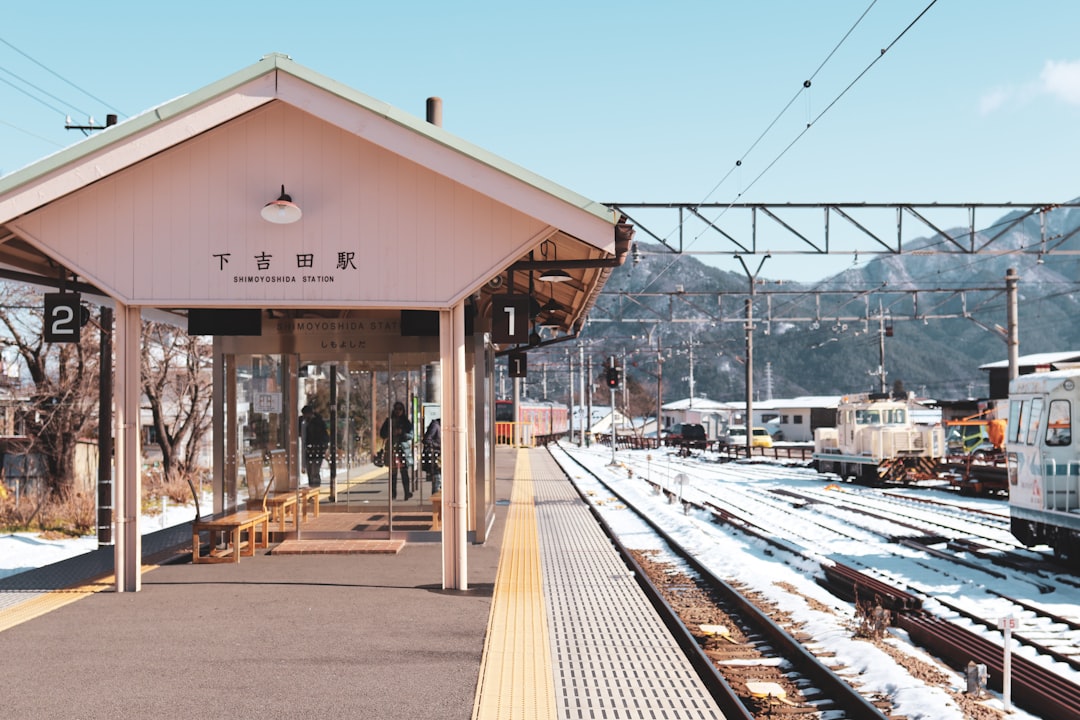
Photo by Karen Z on Unsplash