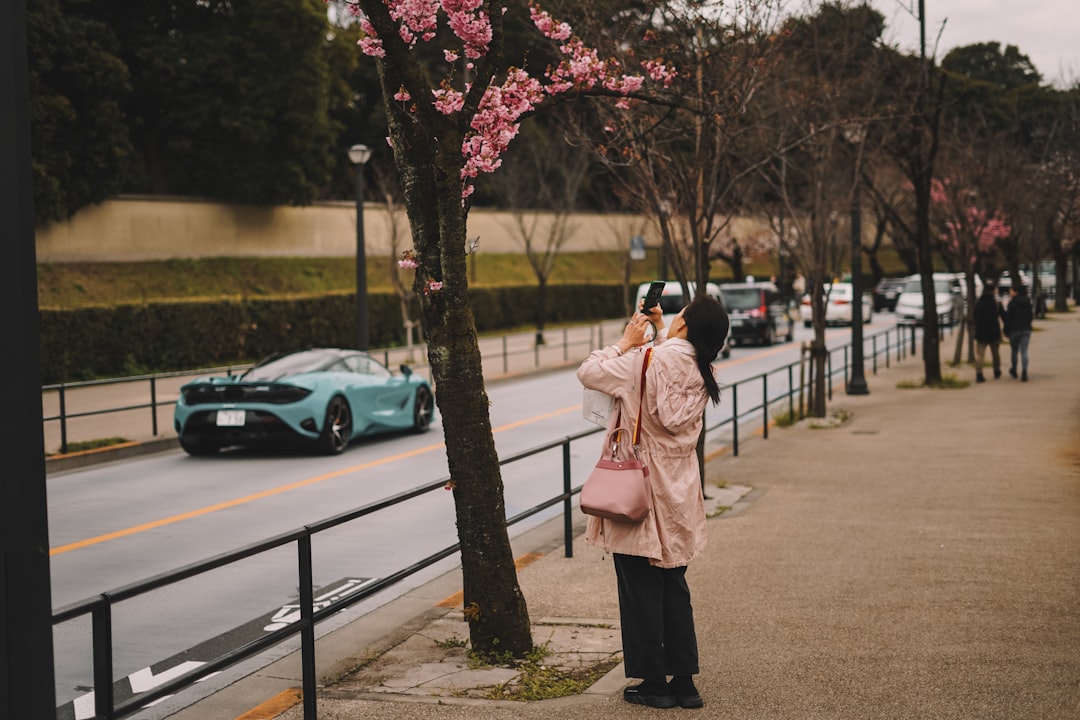
Why Japan Remains a Top Destination for Solo Female Travelers in 2026
Japan consistently ranks as one of the safest countries in the world for solo female travelers, and 2026 is no exception. With low crime rates, an efficient public transport system, and a culture that values order and respect, Japan offers an environment where women can explore confidently—whether wandering Tokyo’s neon streets at midnight or hiking rural trails in Nagano. That said, “safe” doesn’t mean “risk-free.” This guide covers up-to-date, practical safety tips for 2026, including transportation, accommodation, emergency contacts, cultural etiquette, and the latest IC card and payment updates every solo female traveler should know before landing in Japan.
Is Japan Safe for Solo Female Travelers in 2026?
Yes. Japan’s overall crime rate remains among the lowest in the developed world, and violent crime against tourists is rare. However, petty issues like chikan (gropers) on crowded trains, subtle scams in nightlife districts like Kabukicho or Roppongi, and occasional harassment do occur. Being aware, prepared, and culturally informed will make your trip smoother and stress-free.
1. Use Women-Only Train Cars During Rush Hour
Many train lines in Tokyo, Osaka, and other major cities offer designated “Women-Only Cars” (josei senyou sharyou) during morning and evening rush hours, typically marked with pink signage on the platform. These cars are a great option if you’re uncomfortable in tightly packed trains. Check the platform floor markings or station signage—times vary slightly by line, so confirm via the train operator’s website or apps like Japan Transit Planner.
2. Choose Accommodation Strategically
Japan has excellent options for solo female travelers, from female-only dorms in hostels to capsule hotels with women-only floors (such as Nine Hours or First Cabin). When booking, look for accommodations with keycard-locked floors, 24-hour front desks, and reviews specifically mentioning solo female guests. Areas like Shinjuku’s Kabukicho are livelier at night, so if you prefer quieter surroundings, consider staying near Asakusa, Ueno, or residential neighborhoods with good train access instead.
3. Know Japan’s Emergency Numbers
- Police: 110
- Ambulance/Fire: 119
- Japan Visitor Hotline (multilingual, 24/7): 050-3816-2787
- Japan Helpline (English support): 0570-000-911
Save these numbers in your phone before arrival, and note that most police officers speak limited English, though koban (small neighborhood police boxes) staff are generally helpful and used to assisting lost or distressed tourists.
Getting Around Safely: Transportation Tips for 2026
IC Cards: Suica and Pasmo Updates
As of 2026, Suica and Pasmo remain the easiest way to pay for trains, buses, and convenience store purchases across Japan. Both cards now offer improved mobile app integration, allowing many international visitors to add a virtual Suica or Pasmo directly to Apple Wallet or Google Wallet using a foreign-issued credit card, eliminating the need to carry a physical card in many regions. However, physical IC card issuance has faced periodic shortages in past years, so it’s wise to set up the mobile version before your trip or check current availability at major station kiosks upon arrival. Always confirm the latest compatibility on the official JR East or Suica website, as policies can change.
JR Pass Pricing in 2026
Since the October 2023 price increase, the 7-day Ordinary JR Pass costs approximately 50,000 yen (adult), with 14-day and 21-day options priced higher accordingly. For solo travelers doing extensive intercity travel (Tokyo-Kyoto-Osaka-Hiroshima), the pass can still offer good value, but for shorter trips confined to one region, individual Shinkansen tickets or regional passes may be cheaper. As of 2026, always check current pricing on the official Japan Rail Pass website before purchasing, since fares are periodically adjusted.
Late-Night Transportation
Trains generally stop running between midnight and 5 AM in most cities. If you’re out late, plan ahead: use reputable taxi apps like GO or Uber (available in major cities), and avoid unlicensed “black cabs” touting for business outside nightlife districts. Licensed taxis in Japan are notably safe, with drivers rarely engaging in scams or overcharging.
Nightlife and Solo Dining Safety
Solo dining is completely normalized in Japan, with many restaurants, ramen shops, and izakayas featuring counter seating designed for single diners—don’t hesitate to eat alone; it’s common and comfortable. In nightlife districts like Kabukicho (Tokyo) or Dotonbori (Osaka), be cautious of touts inviting you into hostess bars or “free” drink promotions, which can lead to inflated bills. Politely decline and keep walking; legitimate businesses don’t need to aggressively recruit customers on the street.
Cultural Etiquette That Enhances Safety
- Dress modestly at temples and shrines — shoulders and knees covered is respectful, though everyday city wear is generally fine elsewhere.
- Avoid loud phone calls or conversations on trains—it draws unwanted attention and is considered impolite.
- Carry cash, as many rural establishments still don’t accept cards; Japan remains partially cash-based despite growing digital payment adoption.
- Learn basic Japanese phrases like “tasukete” (help) or “yamete kudasai” (please stop), which can be useful in uncomfortable situations.
Dealing with Harassment or Chikan (Gropers)
If you experience groping or harassment on a train, loudly saying “chikan!” (pervert/groper) draws immediate attention and is an effective deterrent, as bystanders and station staff will typically intervene. Move to a different car if possible, and report incidents to station staff or police immediately—Japan has increased enforcement and awareness campaigns against train harassment in recent years.
Apps and Tools Every Solo Female Traveler Should Download
- Google Maps & Japan Transit Planner — for accurate train times and routes
- Google Translate (with camera function) — for reading signs and menus
- Safety tips app by Japan National Tourism Organization (JNTO) — includes earthquake alerts and emergency guidance
- NAVITIME for Japan Travel — great for offline transit navigation
Entry Requirements and Visa Notes for 2026
As of 2026, many nationalities including the US, UK, Canada, Australia, and most EU countries can enter Japan visa-free for short-term tourism (typically up to 90 days), provided passports remain valid for the duration of the stay. Japan has also continued rolling out digital immigration procedures via the Visit Japan Web platform, which streamlines customs declarations and immigration screening. Requirements can change, so always verify your specific visa situation on the official Ministry of Foreign Affairs of Japan website or your home country’s Japanese embassy page before booking flights.
Tax-Free Shopping Tips
Japan’s consumption tax remains at 10% as of 2026 (8% for food and beverages purchased for takeaway/consumption off-premises). Tourists can enjoy tax-free shopping at eligible stores by presenting their passport at the time of purchase, provided the total spend meets the minimum threshold (typically 5,000 yen). Note that as of recent reforms, some tax-free procedures have shifted toward a refund-at-airport system in certain cases, so keep receipts and check signage at large department stores and electronics retailers for the latest process.
Final Thoughts
Japan offers solo female travelers an exceptional blend of safety, convenience, and cultural richness rarely matched elsewhere in the world. By staying informed about 2026 transportation updates, understanding local etiquette, and taking a few sensible precautions, you can explore everything from Tokyo’s vibrant streets to Kyoto’s serene temples with confidence and peace of mind. Trust your instincts, stay connected, and enjoy one of the most rewarding solo travel experiences Asia has to offer.
Photo by Lala Azizli on Unsplash