Exchanging Currency in Japan: A 2026 Traveler’s Guide
Planning a trip to Japan in 2026? One of the first practical questions every visitor asks is: where can I exchange currency in Japan, and is the post office really a good option? The short answer is yes — Japan Post Bank (Yucho Ginko) branches remain one of the most reliable, widespread, and traveler-friendly places to exchange foreign cash in 2026, especially outside major tourist hubs. But post offices are just one piece of the puzzle. This guide breaks down every major option — post offices, banks, airport counters, private exchange shops, and ATMs — so you can get the best rates and avoid unnecessary fees during your trip.
Why Currency Exchange Still Matters in 2026
Despite Japan’s increasingly cashless payment infrastructure, cash remains essential for many everyday situations: small local restaurants, temple donation boxes, rural guesthouses, vending machines, and some traditional markets still operate cash-only. While IC cards like Suica and Pasmo have expanded significantly — with Welcome Suica and mobile Suica now supporting many international Visa, Mastercard, and Apple Pay/Google Pay setups as of 2026 — you’ll still want a reasonable amount of physical yen on hand, particularly if you’re traveling outside Tokyo, Osaka, or Kyoto.
Japan Post Office Currency Exchange: How It Works
Japan Post Bank operates inside post office branches nationwide, and many locations — particularly larger branches in cities and near tourist areas — offer foreign currency exchange services. Here’s what you need to know for 2026:
- Currencies accepted: USD, EUR, GBP, AUD, CAD, and several other major currencies are typically accepted, though availability can vary by branch.
- Documents needed: Bring your passport. Some branches may ask you to fill out a simple exchange form.
- Hours: Standard post office banking hours are generally 9:00 AM to 4:00 PM on weekdays; smaller branches may have shorter hours, and most are closed on weekends and public holidays.
- Rates: Japan Post Bank rates are usually competitive and more transparent than airport kiosks, though they can vary slightly day to day based on market rates.
- Fees: Typically a modest service fee is built into the exchange rate rather than charged separately, but always confirm at the counter before finalizing.
Not every post office branch offers currency exchange, so it’s wise to check the Japan Post Bank website or call ahead, especially if you’re heading to a smaller town or rural area. In major cities, look for branches near central stations, as these are more likely to handle foreign exchange.
Pros and Cons of Exchanging at the Post Office
- Pros: Widely available across Japan, generally trustworthy government-linked institution, competitive rates compared to airport counters, English-language signage in many urban branches.
- Cons: Limited hours (closed evenings, weekends, and holidays), not all branches offer the service, occasional queues during busy periods, and processing can take a few minutes longer than private exchange counters.
Other Top Places to Exchange Currency in Japan (2026)
1. Airport Currency Exchange Counters
Narita, Haneda, Kansai, and Chubu airports all have currency exchange counters that are convenient upon arrival, but rates here are often the least favorable of all your options due to the convenience premium. Use airport counters only for a small amount of initial cash to cover your first taxi or train ride, and exchange the bulk of your money elsewhere.
2. Banks (Mitsubishi UFJ, Mizuho, SMBC)
Major Japanese banks offer currency exchange, but service is often slower due to bureaucratic procedures, and many branches now discourage walk-in exchanges in favor of directing customers to ATMs or post offices. Banks are best used if you already hold a Japanese bank account.
3. Private Currency Exchange Shops
Chains like Daikokuya and World Currency Shop, found in Tokyo (Shinjuku, Shibuya, Asakusa) and Osaka (Namba, Umeda), often offer some of the best rates in the country, with no commission and fast service. These are excellent alternatives to post offices if you’re in a major city and want competitive, walk-in exchange without banking hour restrictions.
4. Convenience Store & Post Office ATMs (Often the Best Option in 2026)
For many travelers in 2026, the most cost-effective strategy isn’t exchanging cash at all — it’s withdrawing yen directly from ATMs using a foreign debit or credit card. Japan Post Bank ATMs (found inside post offices) and 7-Eleven’s Seven Bank ATMs are the most foreign-card-friendly machines in the country, accepting Visa, Mastercard, Plus, Cirrus, UnionPay, and American Express in most cases. These ATMs are available 24/7 at most 7-Eleven locations, unlike post office branch counters which follow limited banking hours. Always check with your home bank about foreign transaction fees, but many travelers find ATM withdrawals offer rates comparable to or better than manual currency exchange, with far more convenience.
5. Hotel Front Desks
Some hotels offer small-scale currency exchange for guests, but rates are usually poor and amounts limited. Use this only as a last resort for emergency cash.
How to Get the Best Exchange Rate in Japan in 2026
- Avoid exchanging large sums at airports; use them only for initial small cash needs.
- Compare rates between Japan Post Bank branches and private exchange shops like Daikokuya before committing.
- Withdraw cash via 7-Eleven or Japan Post Bank ATMs using a no-foreign-fee travel debit card for potentially the best overall value.
- Exchange money on weekdays during business hours, since post offices and banks are closed on weekends and national holidays.
- Bring crisp, undamaged bills — Japanese exchange counters can be strict about note condition.
- Monitor exchange rate trends briefly before your trip, as fluctuations can meaningfully affect how much yen you receive.
A Quick Note on Cashless Payments and IC Cards in 2026
While this guide focuses on physical currency exchange, it’s worth noting that Japan’s cashless ecosystem has matured significantly. Welcome Suica and Pasmo Passport cards remain popular for tourists, and as of 2026 more IC card platforms support direct top-up via international Visa and Mastercard through mobile wallets, reducing the need to carry excessive cash. Additionally, tax-free shopping remains available for tourists on eligible purchases, with Japan’s consumption tax sitting at 10% (8% for select food and beverage items) — remember to bring your passport when shopping at tax-free counters. If you’re also planning multi-city travel, check current Japan Rail Pass pricing carefully, as rates were increased in October 2023 and further adjustments may apply in 2026, so always verify current pricing on the official JR website before purchasing.
Frequently Asked Questions
Can I exchange currency at every Japan post office?
No. Only select branches, typically larger ones in cities or near stations, offer foreign currency exchange. Always check locations in advance via the Japan Post Bank website.
Is it better to exchange money before arriving in Japan or after?
Generally, rates within Japan — especially at post offices and private exchange shops — are more competitive than exchanging currency in your home country. Bring a small amount of yen for arrival convenience and exchange the rest after landing.
Are ATMs safer than currency exchange counters?
Both are considered safe in Japan. ATMs like those at 7-Eleven and Japan Post Bank branches are secure, widely available, and often provide better overall value once foreign transaction fees are factored in.
Final Thoughts
In 2026, Japan Post Bank branches remain a dependable, fairly priced option for exchanging foreign currency, particularly for travelers venturing beyond the biggest cities. However, savvy travelers often combine post office exchanges with private exchange shops and ATM withdrawals from 7-Eleven or Japan Post Bank machines to maximize convenience and value throughout their trip. Whichever method you choose, plan ahead, compare a few options, and keep enough cash on hand for the many wonderful cash-only experiences that still make traveling in Japan so special.
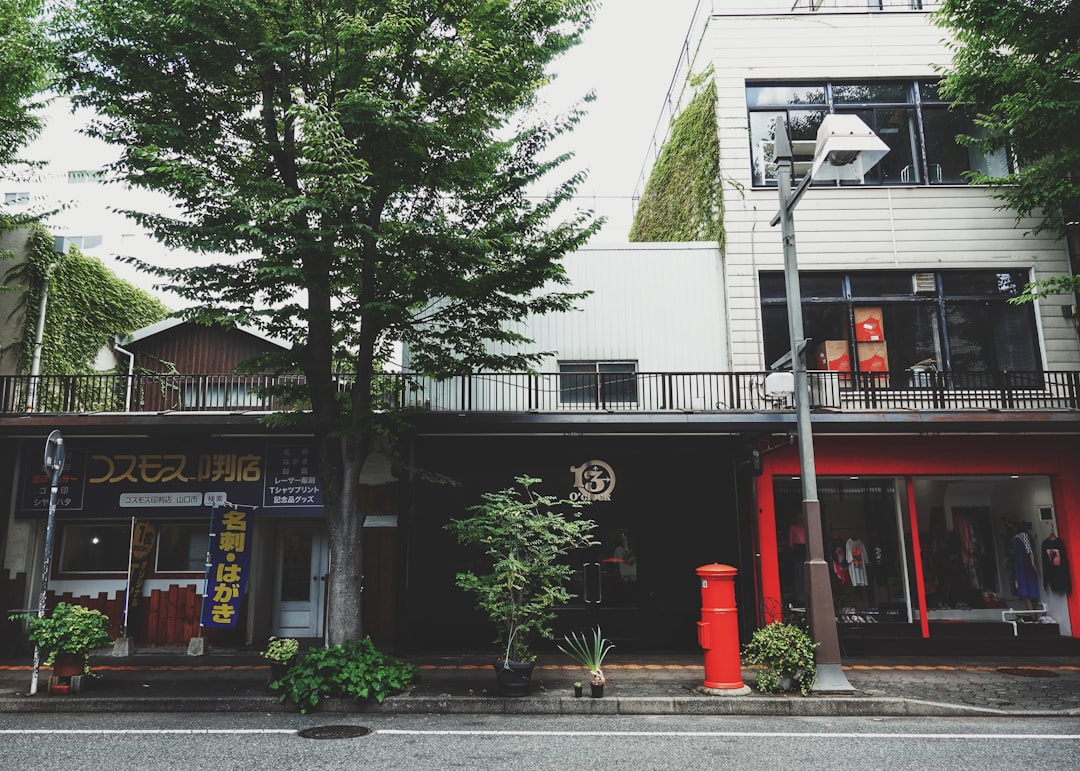
Photo by Nakaharu Line on Unsplash