Planning a layover in Japan on your way to another destination? Whether you’re connecting through Narita, Haneda, Kansai, or Chubu Centrair, understanding Japan transit visa requirements for layover travelers in 2026 can save you from unexpected complications at immigration. Japan’s transit rules are generally traveler-friendly, but they depend heavily on your nationality, the length of your layover, and whether you plan to leave the airport. This guide breaks down everything you need to know as of 2026, from visa-free transit allowances to documentation requirements and airport-specific tips.
What Is a Transit Visa, and Do You Need One?
A transit visa allows travelers to pass through Japan en route to a third country without undergoing the full visa application process required for tourism or business visits. Japan offers several visa-free transit provisions, but these are not universal — they depend on your passport, your itinerary, and how long you plan to stay.
In most cases, if you are simply changing planes within the same airport (an “airside” or “international-to-international” transfer) and staying in the transit area, you typically do not need a visa at all, regardless of nationality, as long as you hold a confirmed onward ticket and any visa required for your final destination. Problems arise mainly when travelers need to exit immigration — for example, to change airports, collect and recheck baggage, or stay overnight outside the secured transit zone.
Visa-Free Transit: The 72-Hour and 24-Hour Rules
Japan permits visa-free entry for short transit stays under specific conditions, though the exact allowance varies by nationality and circumstance:
- Same-airport transit (airside): If you remain within the international transit area and do not pass through immigration, no visa is required regardless of nationality, provided you have a valid onward ticket and visa (if needed) for your next destination.
- Short landside transit: Nationals of many countries that already enjoy visa-free tourist entry to Japan (such as the US, UK, Canada, Australia, most EU countries, and Singapore, among others) can generally clear immigration for transit purposes within the same visa-free allowance granted to short-term visitors — typically up to 90 days depending on nationality — as long as they have a confirmed ticket showing onward travel.
- Transit between airports: If your layover requires moving from one Japanese airport to another (for instance, arriving at Narita and departing from Haneda), you will need to clear immigration and, depending on your passport, this may or may not require a visa. Travelers from visa-required countries should apply for a transit visa in advance through a Japanese embassy or consulate.
As of 2026, travelers from countries that require a visa for tourism generally also require a transit visa if they intend to leave the airport’s international transit zone, even briefly. Always verify your specific nationality’s requirements through the official website of the Ministry of Foreign Affairs of Japan or your nearest Japanese embassy before booking connecting flights with a layover involving immigration clearance.
Who Typically Needs a Transit Visa?
Generally, travelers who need a transit visa fall into these categories:
- Passport holders from countries without visa-free travel arrangements with Japan.
- Travelers whose layover requires exiting the international transit area (e.g., overnight stays outside the airport, airport transfers, or same-day sightseeing).
- Cruise ship passengers or ferry travelers making a brief port call who wish to disembark and explore, in certain circumstances.
Conversely, if you’re simply staying within the sterile transit zone of the same airport terminal and boarding a connecting flight within a reasonable window (usually under 24 hours), a visa is typically unnecessary — but you should still check based on your specific passport, since immigration officers have discretion and rules can change.
How to Apply for a Japan Transit Visa (If Required)
If your nationality requires a transit visa, here’s the general process as of 2026:
- Apply at a Japanese embassy or consulate in your home country or country of legal residence before departure. Transit visas cannot typically be obtained on arrival.
- Required documents usually include a valid passport, a completed visa application form, a recent passport-sized photo, proof of onward travel (flight or ferry ticket to your final destination), and evidence of a visa for your destination country if required.
- Processing time is generally faster than a standard tourist visa, but still allow at least several business days to a couple of weeks, especially during peak travel seasons.
- Transit visa validity is typically limited to a very short stay — often just enough time to make your connection, sometimes up to 72 hours in special circumstances such as cruise ship transit.
Special Case: Cruise and Ferry Passengers
Japan has specific provisions for cruise ship passengers in transit, some of which allow visa-free shore excursions for a limited period, depending on nationality and the cruise itinerary. If you’re arriving by sea and plan to disembark for a shore excursion, check with your cruise line and Japanese immigration authorities well in advance, as rules differ from standard airport transit.
Airport-Specific Transit Tips
Narita International Airport (NRT)
Narita’s Terminal 1 and Terminal 2 both have international transit areas with shops, lounges, and rest areas. If your connecting flight is within the same terminal and you don’t need to collect checked baggage, you can generally stay airside without immigration clearance.
Haneda Airport (HND)
Haneda has significantly expanded its international transit facilities in recent years, making it increasingly popular for layovers thanks to its proximity to central Tokyo (though leaving the airport still requires immigration clearance and, for some nationalities, a visa).
Kansai International Airport (KIX)
KIX is a major hub for transit between Asia and other continents, with dedicated transit facilities for passengers connecting between international flights.
Chubu Centrair International Airport (NGO)
A smaller but efficient option for layovers, particularly for travelers connecting through central Japan.
Practical Tips for Layover Travelers in 2026
- Check your specific nationality’s requirements on the official Ministry of Foreign Affairs of Japan website before finalizing your itinerary, as rules can be updated without much public notice.
- Book sufficient connection time — Japanese airports recommend at least 2-3 hours for international-to-international transfers, more if you need to change terminals or airports.
- Carry proof of onward travel — a printed or digital confirmation of your next flight, along with any visa required for your final destination, is essential.
- Consider a short stopover instead — if your layover is long enough (8+ hours) and your nationality qualifies for visa-free entry, it may be worth clearing immigration to explore nearby attractions, grab authentic ramen, or visit a convenience store for exclusive snacks, rather than staying confined to the terminal.
- Register for airport day-use options — some airports offer short-stay hotel rooms or lounges within the transit zone for long layovers without needing to clear immigration.
Final Thoughts
Japan’s transit visa requirements for layover travelers in 2026 remain relatively straightforward for most visa-exempt nationalities, provided you stay within the international transit area. However, if your journey involves changing airports, an overnight stay outside the airport, or you hold a passport that requires a visa for tourism, it’s essential to plan ahead and secure the correct documentation before you fly. As immigration policies can shift, always confirm the latest requirements through the official Japanese embassy or consulate website closest to you, or the Ministry of Foreign Affairs of Japan, prior to booking your layover itinerary. With the right preparation, even a brief stop in Japan can be smooth, stress-free, and — if time allows — a delightful mini adventure in itself.
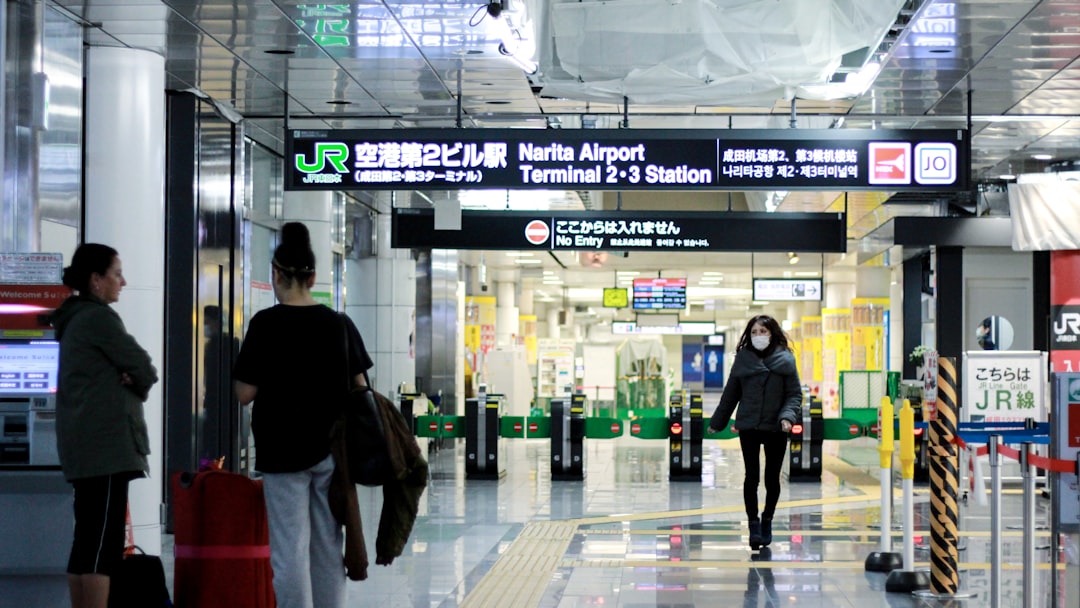
Photo by Tan on Unsplash