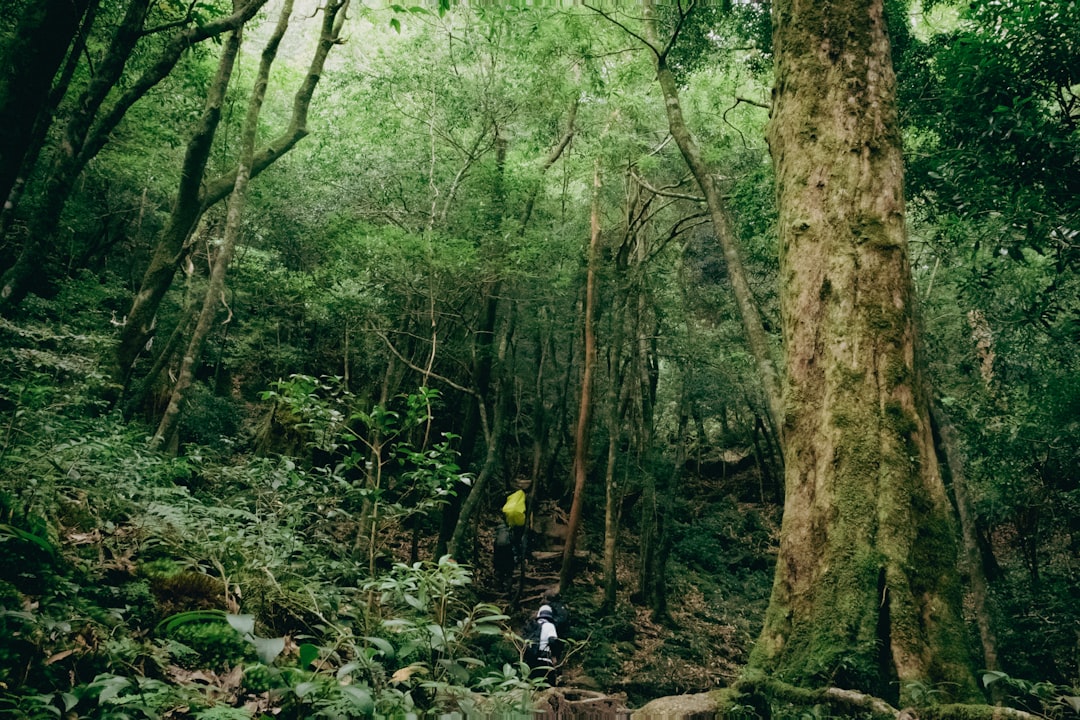
Solo hiking in Japan is one of the most rewarding ways to experience the country’s dramatic mountains, quiet forests, and volcanic peaks — from the Japan Alps to the Kumano Kodo pilgrimage trails. As of 2026, Japan remains one of the safest countries in the world for solo travelers, but hiking alone still carries real risks: sudden weather changes, poor mobile signal in remote valleys, wildlife encounters (including bears), and the simple fact that help may take hours to arrive if something goes wrong. This guide covers everything you need to know to hike solo in Japan safely in 2026, including updated advice on registration systems, gear, apps, and emergency contacts.
Why Solo Hiking in Japan Requires Extra Preparation
Japan’s trail infrastructure is excellent compared to many countries, with well-marked paths, mountain huts, and rescue services. However, many popular hiking areas — including parts of the Japan Alps, Yakushima, and Mt. Fuji’s off-season routes — are remote enough that a twisted ankle or sudden fog can turn into a serious emergency. Mountain rescue in Japan can also be costly if a helicopter is dispatched, so prevention is always better than relying on rescue services.
1. Always File a Tozan Todoke (Mountain Registration Form)
One of the most important safety steps for solo hikers in Japan is submitting a tozan todoke, or mountain climbing notification form. This tells local authorities your planned route, expected return time, and emergency contact details. Many prefectures, including Nagano and Yamanashi, now offer online submission portals as of 2026, and some trailheads still have physical postboxes for paper forms. If you go missing, this form is the first thing search-and-rescue teams use to locate you. Apps like “Compass” (Yamareco’s registration tool) allow English-friendly digital submission and are strongly recommended for solo travelers.
2. Choose Well-Traveled Trails for Your First Solo Hikes
If you’re new to solo hiking in Japan, start with popular, well-maintained trails such as the Kumano Kodo, Nakasendo Trail, or the main Mt. Fuji climbing routes during official season (early July to early September). These paths have mountain huts, clear signage in English and Japanese, and frequent foot traffic, meaning help is nearby if needed. Save more remote peaks in the Japan Alps or Hokkaido backcountry for when you have more experience and ideally a hiking partner.
Essential Gear for Solo Hikers in 2026
- Offline maps: Download offline maps via apps like YAMAP or Yamareco before you leave cell coverage — both apps are widely used by Japanese hikers and now offer strong English support as of 2026.
- A physical map and compass: Never rely solely on your phone battery. Paper maps (available at convenience stores or trailhead visitor centers) are essential backup.
- Portable charger and offline GPS beacon: Devices like Garmin inReach allow satellite SOS messaging in areas with zero mobile signal — invaluable for solo hikers in the Japan Alps or Tohoku’s remote peaks.
- Bear bell and bear spray: Required in many parts of Honshu, Hokkaido, and especially near Shiretoko or the Japan Alps, where Asian black bears and Hokkaido brown bears are active. Make noise regularly on the trail to avoid surprising wildlife.
- Weather-appropriate layers: Mountain weather in Japan changes fast, even in summer. Always pack a waterproof shell, warm layer, and emergency thermal blanket regardless of season.
- Headlamp and whistle: Essential if your hike runs longer than planned, especially with Japan’s early sunsets in autumn and winter.
Weather and Seasonal Safety Considerations
Typhoon season (roughly June to October) brings sudden storms that can make trails dangerous within hours, particularly in southern Japan and Kyushu. Always check the Japan Meteorological Agency (JMA) website or app before setting out, and be prepared to cancel or shorten your hike if conditions look unstable. In winter, many trails become inaccessible without specialized snow gear and experience, so solo hikers should stick to designated winter routes or hire a local guide via services like Snow Peak or regional tourism boards, which remain active and bookable as of 2026.
Mobile Connectivity and Emergency Numbers
Mobile signal is surprisingly patchy in mountainous regions, even with major Japanese carriers. If you’re using a foreign SIM or eSIM, check coverage maps in advance, as rural signal can differ significantly from Tokyo or Osaka coverage. Save these key emergency numbers before your hike:
- 110 — Police (for search and rescue coordination)
- 119 — Fire and ambulance services
- Local mountain rescue liaison numbers — often listed at trailhead information boards; note these down before losing signal
If you do need rescue, Japan’s mountain rescue system is efficient, but note that helicopter evacuations can cost hikers significantly if you’re deemed not to have taken reasonable precautions — another reason to file your tozan todoke and carry proper gear.
Telling Someone Your Plans
Beyond the official registration form, always tell a third party — your accommodation host, a friend, or family member back home — your planned route and expected return time. Many ryokans and guesthouses near hiking areas are used to this request and will happily hold your itinerary. Some regions, like Nagano’s mountain lodges, also offer informal check-in services for solo hikers.
Trail Etiquette and Cultural Considerations
Japanese hiking culture emphasizes quiet respect for nature and fellow hikers. Greeting other hikers with a simple “konnichiwa” is customary and also serves a safety purpose — it creates informal check-ins along the trail. Stick to marked paths, as venturing off-trail is both environmentally damaging and a leading cause of solo hiker emergencies in Japan.
Physical Preparedness
Altitude sickness can affect hikers on peaks above 2,500 meters, including parts of the Japan Alps and Mt. Fuji. Acclimatize gradually, stay hydrated, and know the symptoms — headache, nausea, and dizziness — as a sign to descend immediately. Solo hikers should also be conservative with turnaround times; a common rule is to begin your descent by early afternoon regardless of how far you’ve gotten, to avoid being caught on the mountain after dark.
Final Safety Checklist for Solo Hikers in Japan (2026)
- File a tozan todoke online or at the trailhead
- Tell someone your itinerary and expected return time
- Download offline maps (YAMAP or Yamareco)
- Carry a satellite communicator if heading into remote areas
- Check JMA weather forecasts the morning of your hike
- Pack bear bells, spray, and appropriate layers
- Set a firm turnaround time and stick to it
- Know emergency numbers: 110 (police), 119 (fire/ambulance)
Hiking alone in Japan can be an unforgettable, meditative experience — the country’s trail culture, mountain huts, and natural beauty reward careful, well-prepared travelers. By following these updated 2026 safety practices, solo hikers can minimize risk and focus on enjoying some of the most spectacular scenery in Asia.
Photo by Jayant on Unsplash