Planning a trip around Japan’s year-end and New Year holidays in 2026? You’re not alone. Between late December and early January, iconic spots in Tokyo, Kyoto, and Osaka become packed with both domestic and international travelers celebrating the season with hatsumode (first shrine visit), illumination displays, and kotatsu-warmed feasts. The good news is that with the right strategy, you can experience all the magic of a Japanese winter holiday while avoiding the worst of the crowds — and even discover hidden gem towns that most tourists never see.
Why Japan’s Winter Holidays Get So Crowded
The period from December 28 through January 3 is Japan’s biggest domestic travel rush. Families return to hometowns (kikyo rush), shrines like Meiji Jingu and Fushimi Inari see millions of hatsumode visitors, and popular illumination events in Tokyo and Osaka draw massive evening crowds. Shinkansen tickets sell out for peak dates, and ryokan in famous onsen towns book up months in advance. If you only visit the headline destinations, you’ll spend your holiday standing in lines rather than soaking in a rotenburo.
Strategy 1: Shift Your Dates Slightly
Crowds peak most intensely on December 31 through January 2. If your schedule allows flexibility, consider arriving a few days earlier (mid-December) or traveling in the first two weeks of January after the 3rd, when locals return to work and school but winter scenery and illuminations often remain. This small shift can cut wait times at popular attractions by more than half.
Strategy 2: Choose Hidden Gem Destinations Over the Big Three
Kyoto, Osaka, and Tokyo dominate travel itineraries, but Japan’s regional towns offer equally beautiful — and often more atmospheric — winter experiences with a fraction of the visitors.
- Kanazawa, Ishikawa — Often called a ‘mini Kyoto,’ Kanazawa offers snow-dusted Kenrokuen Garden, geisha districts, and fresh seafood markets without Kyoto-level congestion.
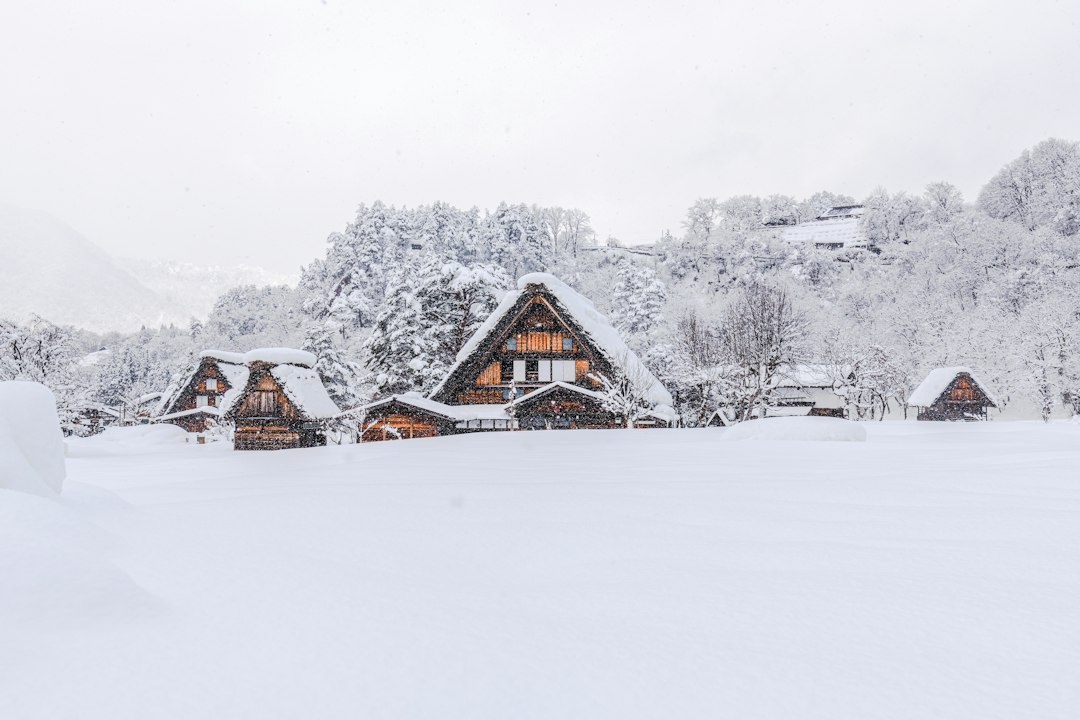
- Takayama & Shirakawa-go, Gifu — Traditional thatched-roof villages blanketed in snow, illuminated in evening light-ups that rival Tokyo’s displays but with a fraction of the visitors.
- Ginzan Onsen, Yamagata — A gas-lamp-lit hot spring town straight out of a Studio Ghibli film, best visited on weekdays to avoid Japanese domestic tourists.
- Sado Island, Niigata — A ferry ride from Niigata City, this island offers quiet winter landscapes, historic gold mines, and near-empty hatsumode shrines.
- Tottori & Shimane — Japan’s least-visited prefectures, home to sand dunes, Izumo Taisha shrine (a wonderful low-crowd hatsumode alternative), and excellent winter crab cuisine.
- Otaru, Hokkaido — A charming alternative to Sapporo, famous for its canal illuminations and snow lantern festival in February, with far fewer crowds than Sapporo’s Susukino district.
Strategy 3: Rethink Hatsumode
Instead of joining the crush at Meiji Jingu or Fushimi Inari Taisha, seek out regional shrines with equally rich history. Izumo Taisha in Shimane, Dazaifu Tenmangu in Fukuoka (visit early morning), or Toyokawa Inari in Aichi all offer authentic hatsumode traditions — amazake stalls, omikuji fortunes, and warm hospitality — without the hour-long queues.
Strategy 4: Travel Smart with Trains and IC Cards
As of 2026, the Japan Rail Pass remains priced at the post-October 2023 rate: approximately 50,000 yen for an ordinary 7-day pass (with 14-day and 21-day options priced higher). For winter regional-hopping to hidden gem towns, a regional rail pass (like the JR East or JR West regional passes) is often more cost-effective than the national pass if you’re avoiding the Tokyo-Kyoto-Osaka corridor.
For IC cards, Suica and Pasmo now support Apple Pay and Google Wallet setup directly from overseas, and physical ‘Welcome Suica’ cards remain available at major airports for visitors who prefer a tangible card. As of 2026, most convenience stores, vending machines, and regional buses in hidden gem areas accept IC cards, though it’s wise to carry cash in more rural towns like Ginzan Onsen or Sado Island where card infrastructure is still catching up.
Strategy 5: Book Accommodation Early — But Look Regionally
Ryokan in famous onsen towns like Hakone or Kusatsu fill up by October for New Year dates. Instead, look at lesser-known onsen regions such as Nyuto Onsen (Akita) or Kinosaki Onsen (Hyogo) — both offer classic Japanese hot spring experiences with more availability even close to the holidays.
Cold-Weather Preparation Tips
Regional winter travel in Japan means genuine snow and sub-zero temperatures, especially in Tohoku, Hokkaido, and mountain areas like Takayama. Prepare with:
- Waterproof, insulated boots with good grip for icy sidewalks
- Heat packs (kairo), widely sold at convenience stores, for pockets and shoes
- Layered clothing — thermal base layers, fleece mid-layers, and a windproof outer shell
- A refillable thermos, since many stations and shrines sell hot amazake or tea
- Portable phone battery packs, as cold weather drains batteries faster
Embracing the kotatsu (heated low table) culture at your ryokan is one of the coziest ways to experience Japanese winter — many regional guesthouses feature them in communal lounges.
Entry Requirements and Shopping Notes for 2026
As of 2026, travelers from visa-exempt countries (including the US, UK, most EU nations, Canada, and Australia) can still enter Japan for tourism without a visa for stays up to 90 days. Japan has been developing an electronic pre-travel authorization system (similar to ESTA), so it’s essential to check the Ministry of Foreign Affairs website close to your travel date for the latest requirements before booking flights.
For shopping, Japan’s consumption tax remains at 10% (8% for select food and beverage items), and tax-free purchases still require a minimum spend of 5,000 yen at participating stores with passport presentation. Japan has also been piloting a shift toward a refund-at-departure tax-free system, expected to roll out more broadly through 2026 — travelers should keep all tax-free receipts until passing through airport customs, as procedures may vary by store during this transition.
Final Thoughts
Japan’s winter holidays don’t have to mean fighting crowds at Meiji Jingu or squeezing onto a packed shinkansen. By shifting your travel dates slightly, choosing hidden gem regions like Kanazawa, Ginzan Onsen, or Izumo, and preparing properly for the cold, you can experience an authentic, peaceful Japanese New Year — one filled with quiet shrine visits, snow-covered villages, and steaming bowls of soba by the kotatsu, far from the tourist rush.
Photo by Hyungman Jeon on Unsplash