Why Japan’s Summer Humidity Catches Travelers Off Guard
If you’re planning a trip between June and September, Japan packing tips for humid summer travel are essential reading before you zip up your suitcase. As of 2026, Japan’s summer climate remains defined by intense humidity levels often exceeding 80%, combined with temperatures regularly reaching 33-36°C (91-97°F) in cities like Tokyo, Osaka, and Kyoto. Unlike dry heat, this ‘mushi-atsui’ (muggy) weather means you’ll sweat constantly, clothes take longer to dry, and standard packing advice from other destinations simply doesn’t apply. This guide covers exactly what to pack, what fabrics work best, and which modern conveniences (like updated IC card systems and tax-free shopping rules) will make your humid-season trip smoother.
Clothing Essentials: Fabrics That Actually Work
The single biggest mistake travelers make is packing cotton-heavy wardrobes. Cotton absorbs sweat and stays damp all day in Japan’s humidity. Instead, prioritize:
- Moisture-wicking synthetic blends (polyester-nylon mixes) similar to athletic wear
- Linen shirts and lightweight trousers that breathe well
- Quick-dry travel clothing brands designed for tropical climates
- Dark or patterned tops that hide sweat marks better than plain light colors
- A minimum of 5-7 tops since you’ll likely change clothes twice daily
Pack fewer items overall and plan to do laundry every 3-4 days. Nearly every hotel, hostel, and even many Airbnb accommodations in Japan have coin laundromats or in-room washer-dryers, so there’s no need to overpack.
Rain Gear Is Non-Negotiable
Summer in Japan includes the rainy season (tsuyu) lingering into early July, plus sudden typhoon-related downpours through September. Pack a compact, packable rain jacket rather than a bulky umbrella-only strategy, though a foldable umbrella is still worth carrying since convenience stores sell inexpensive clear umbrellas everywhere if you forget yours.
Footwear for Sweaty, Humid Days
Your feet will sweat more than usual, so avoid closed leather shoes for daily sightseeing. Instead bring breathable sneakers with mesh panels, and consider moisture-wicking socks (merino wool blends work surprisingly well even in heat because they resist odor). Sandals are useful for casual days but remember many temples, ryokan, and traditional restaurants require easy on/off footwear, so slip-on styles are more practical than lace-ups.
Cooling Gadgets and Accessories Locals Swear By
Japan has turned summer survival into an art form, and you should copy local habits:
- Handheld portable fans (battery or USB-rechargeable neck fans) are sold everywhere from Don Quijote to convenience stores and are genuinely life-changing
- Cooling towels that stay cold when wet, useful for wiping down after subway walks
- Cooling body sheets (hiyeh-hiyeh sheets) found in every pharmacy, applied to neck or forehead for instant relief
- A small hand towel (tenugui) since public restrooms rarely provide paper towels and you’ll need something to wipe sweat throughout the day
Sun and Skin Protection
UV levels in Japanese summer are extremely high. Pack a high-SPF sunscreen (SPF 50+), though note Japanese sunscreens sold locally at drugstores are often superior in texture for humid weather and are worth buying once you arrive. A wide-brim hat or UV-protective umbrella (widely used by locals of all genders) prevents heat exhaustion. Don’t forget lip balm with SPF, as lips burn too.
Toiletries and Hygiene for Constant Humidity
Bring travel-size antiperspirant, since Japanese deodorants tend to be milder than Western brands. Pressed powder or blotting sheets help control facial shine in photos. Pack a quick-dry microfiber towel if staying in budget accommodations, and consider bringing dry shampoo since hair can feel greasy after just one humid day outdoors.
Electronics and Practical Gear
A portable phone charger is essential since you’ll rely heavily on maps and translation apps while sweating through long walking days. Bring a universal plug adapter if needed (Japan uses Type A/B outlets at 100V). Waterproof phone pouches are smart for sudden rain or theme park water attractions. Silica gel packets in your luggage help prevent humidity from damaging electronics or causing mildew smells in packed clothing.
Money, IC Cards, and Passes: What’s New in 2026
Practical logistics matter as much as clothing choices. As of 2026, Suica and Pasmo IC cards remain the easiest way to pay for trains, buses, and convenience store purchases. Mobile Suica/Pasmo now supports a wider range of international smartphones (including many recent Android and iPhone models with Apple Pay/Google Pay integration), so check compatibility before your trip to skip physical card queues entirely. Physical IC cards are also widely available again at station machines after previous supply shortages.
If you’re planning extensive rail travel, remember the JR Pass price increase implemented in October 2023 remains in effect through 2026, so a 7-day ordinary pass costs significantly more than pre-2023 rates. Calculate whether point-to-point tickets or regional passes are more cost-effective for your itinerary before purchasing.
For shopping, Japan’s consumption tax remains at 10% (8% for certain food items), and tax-free shopping is available at eligible stores for tourists spending over 5,000 yen, provided you show your passport at checkout. Always carry your passport (or a certified copy where required) for these tax-free purchases.
Visa and Entry Notes for 2026
Most Western passport holders (including the US, UK, EU, Canada, and Australia) can still enter Japan visa-free for short-term tourism stays of up to 90 days as of 2026. However, entry requirements can shift, so always verify current visa policy and any health/entry documentation via the official Japanese embassy website or Japan’s official tourism portal before departure.
Luggage Strategy for Humid Conditions
Pack a few resealable plastic bags or a dedicated wet-bag for damp clothing, swimwear, or sweaty gym clothes so moisture doesn’t spread to dry items. Compression packing cubes help maximize space since you’re bringing lighter, more breathable fabrics that take up less room than winter clothing. Leave extra space in your suitcase for cooling gadgets and skincare products you’ll inevitably buy once you experience the humidity firsthand.
Quick Packing Checklist for Humid Summer Japan
- 5-7 moisture-wicking or linen tops
- 2-3 breathable bottoms (shorts, lightweight trousers, skirts)
- Packable rain jacket + compact umbrella
- Breathable sneakers and moisture-wicking socks
- Portable handheld fan and cooling towel
- SPF 50+ sunscreen, sun hat, lip balm with SPF
- Travel-size antiperspirant and blotting sheets
- Portable phone charger and waterproof pouch
- Silica gel packets and resealable wet-bags
- Passport for tax-free shopping and IC card/JR Pass planning
Final Thoughts
Packing smart for Japan’s humid summer isn’t about bringing more, it’s about bringing the right lightweight, breathable, and quick-dry essentials while leaning on Japan’s excellent convenience stores and drugstores for cooling gadgets you can’t easily find at home. Combine this with updated 2026 knowledge of IC card compatibility, JR Pass pricing, and tax-free shopping rules, and you’ll stay comfortable while making the most of your summer adventure.
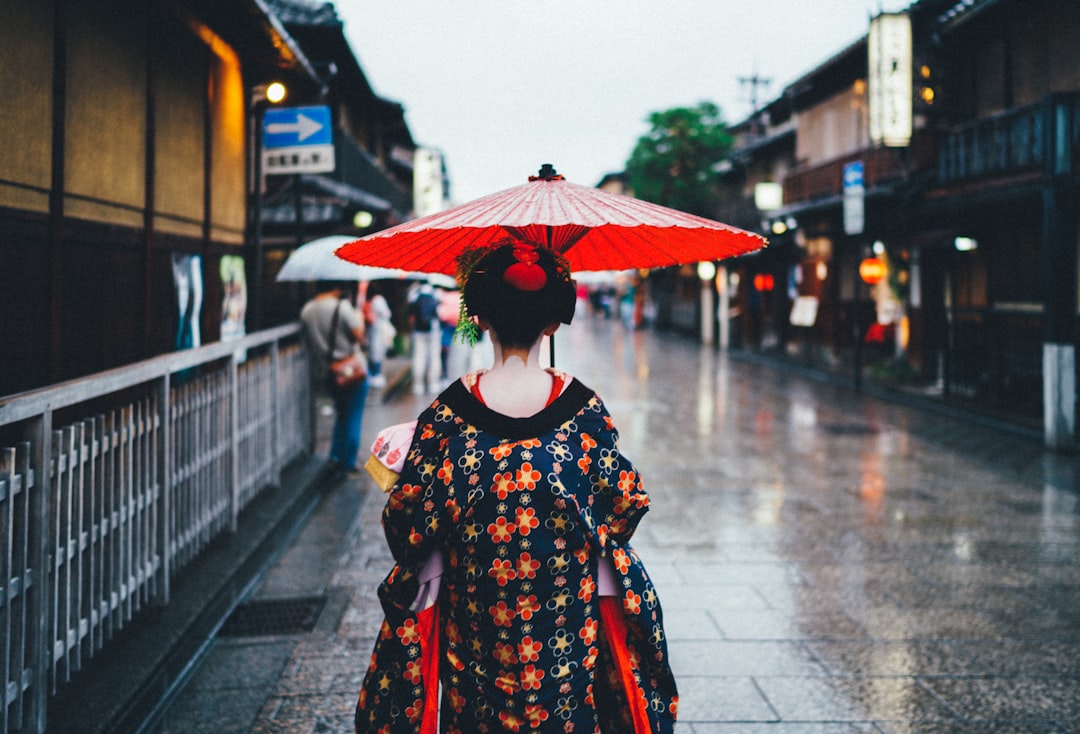
Photo by Tianshu Liu on Unsplash