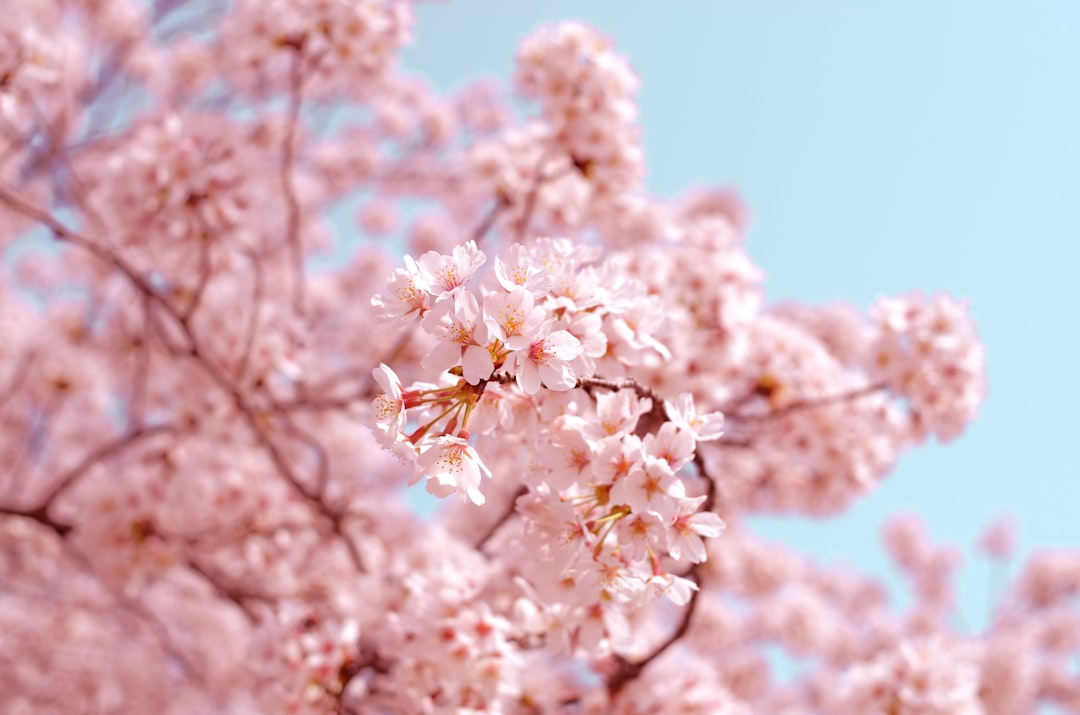
Planning a hanami adventure? This packing checklist for spring cherry blossom trip 2026 covers everything you need to enjoy Japan’s sakura season comfortably, from unpredictable spring weather to the latest travel logistics like IC cards, JR Pass pricing, and tax-free shopping rules updated for 2026.
Understanding Spring Weather in Japan
Cherry blossom season typically runs from late March to early April in Tokyo and Kyoto, though Hokkaido blooms in May and Kyushu can bloom as early as mid-March. Spring in Japan is notoriously fickle: daytime temperatures may reach a pleasant 18-20°C (64-68°F), while mornings, evenings, and shaded hanami parties under the trees can dip to 5-8°C (41-46°F). Rain showers are common, so flexibility in your wardrobe is essential.
The Layering Strategy
The golden rule for spring packing in Japan is layering. Temperatures swing dramatically throughout the day, and you’ll move between heated trains, outdoor parks, and indoor temples, so being able to add or remove layers quickly is key.
- A lightweight thermal or long-sleeve base layer for chilly mornings
- Breathable cotton or moisture-wicking t-shirts for midday warmth
- A cardigan, light sweater, or fleece for transitional layering
- A packable insulated or fleece-lined jacket for evenings
- A waterproof, windproof shell jacket — essential since spring showers appear without warning
Essential Clothing Checklist
- 3-4 breathable tops (moisture-wicking recommended)
- 1-2 pairs of comfortable trousers or jeans
- A versatile dress or skirt with leggings for cooler days (great for shrine visits and photos)
- Undergarments and 5-7 pairs of socks (thicker socks matter if temperatures drop)
- A scarf — doubles as a blanket during outdoor hanami picnics
- A pair of gloves for early spring trips in northern regions
- Compact umbrella or rain poncho (convenience stores sell cheap clear umbrellas, but bringing a sturdy compact one saves money)
Footwear for Cherry Blossom Season
You’ll be walking a lot — often 15,000+ steps a day between parks, temples, and train stations. Prioritize comfort over style.
- Broken-in, cushioned walking shoes or sneakers
- A lightweight second pair of shoes (in case the first gets wet)
- Slip-on shoes are handy since many restaurants, ryokan, and temples require removing footwear
Hanami Picnic Essentials
If you plan to join locals for a hanami picnic under the blossoms in parks like Ueno, Maruyama, or Kema Sakuranomiya, pack accordingly:
- A compact picnic or waterproof ground sheet (grass and ground can be damp)
- Reusable cups and utensils (Japan emphasizes minimal waste)
- A small foldable stool or cushion, since many spots require sitting on the ground for hours
- Hand warmers (kairo) — a Japanese travel essential in early spring evenings
- A thermos for hot tea or coffee
Sun and Weather Protection
Spring sun can be surprisingly strong despite cooler air temperatures.
- Sunscreen (SPF 30+)
- Sunglasses
- A lightweight cap or hat
- Lip balm and moisturizer, as spring air can be dry and windy
- A small travel-size allergy medication, since Japan’s spring is also hay fever (kafunsho) season — many visitors and locals wear pollen masks
Practical and Tech Essentials
- Universal power adapter (Japan uses Type A plugs, 100V)
- Portable phone charger/power bank for long sightseeing days
- A pocket Wi-Fi device or eSIM — as of 2026, eSIMs remain the most convenient option for most travelers, with providers like Ubigi, Airalo, and local carriers offering easy activation before arrival
- A crossbody or anti-theft day bag for navigating crowded blossom-viewing spots
- A refillable water bottle — many stations and parks have free refill spots
Money, IC Cards, and the JR Pass in 2026
Japan remains largely cash-friendly outside major cities, so carry some yen alongside cards. For local transport, IC cards like Suica and Pasmo are essential. As of 2026, most physical IC card sales have normalized again after previous shortages, and mobile Suica/Pasmo on iPhone and select Android devices continues to support direct top-up with foreign credit cards, making them very convenient for tourists who don’t want to carry a physical card.
If you’re traveling across multiple regions during cherry blossom season, evaluate whether the Japan Rail Pass is worth it. Since the October 2023 price increase, the 7-day ordinary JR Pass costs around 50,000 yen for adults (prices are subject to periodic revision, so always confirm on the official JR website before booking, as this reflects 2026 pricing trends). For short trips confined to one city like Tokyo or Kyoto, individual IC card fares or regional passes may be more economical than the nationwide JR Pass.
Visa and Entry Requirements for 2026
As of 2026, many nationalities including the US, UK, EU countries, Canada, and Australia continue to enjoy visa-free short-term entry to Japan for tourism purposes, typically allowing stays up to 90 days. However, Japan has been progressively rolling out its digital pre-arrival registration system (similar to programs in other countries), so travelers should check the official Ministry of Foreign Affairs of Japan website or their nearest Japanese embassy for the latest pre-registration or visa waiver requirements before departure, as rules can be updated with little notice.
Tax-Free Shopping Tips
Japan’s consumption tax remains at 10% as of 2026. Tourists can still enjoy tax-free shopping at eligible stores when spending over 5,000 yen (before tax) on general goods or consumables, provided you show your passport at checkout and keep items unopened until departure (for consumables). Note that as of recent policy discussions, Japan has been moving toward a refund-based tax-free system at airports rather than instant in-store exemption — confirm the latest process at point of purchase, as some retailers may require you to pay tax upfront and claim a refund at the airport upon departure.
Bonus Items for a Smooth Sakura Trip
- A small notebook or app to track blossom forecasts (the Japan Meteorological Corporation and Japan Weather Association release sakura forecasts annually)
- Ziplock bags for wet clothes, shoes, or food storage
- Travel insurance documents easily accessible
- A printed or downloaded map of key hanami spots for offline access
- Cultural etiquette reminders: avoid climbing trees for photos, don’t leave trash at picnic sites, and be mindful of shared blanket space in crowded parks
Final Thoughts
Cherry blossom season is one of the most magical times to visit Japan, but its shifting weather and crowded travel logistics call for smart preparation. With this packing checklist for your spring cherry blossom trip in 2026, you’ll be ready to enjoy hanami picnics, temple visits, and city strolls in comfort — leaving more energy to soak in the fleeting beauty of the sakura.
Photo by AJ on Unsplash