Planning a multi-city Japan trip in 2026 and wondering whether to hop between destinations on the sleek, high-speed Shinkansen or save money grinding it out on local and rapid trains? You’re not alone. With the JR Pass price hike still in effect since October 2023, more travelers than ever are recalculating whether bullet trains are worth it, or whether a patchwork of local trains, IC cards, and regional passes can get them the same city-hopping experience for a fraction of the cost. This 2026 guide breaks down real prices, real travel times, and real scenarios so you can decide what’s cheapest and smartest for your itinerary.
Understanding Your Options: Local Trains vs Shinkansen
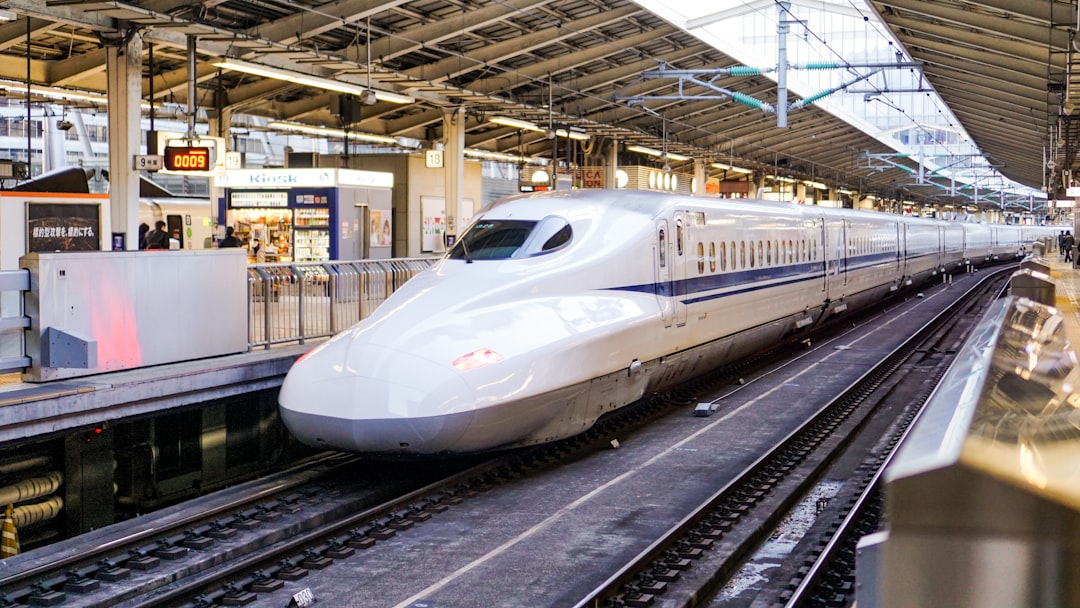
Japan’s rail network operates on two very different philosophies. The Shinkansen (bullet train) network connects major cities like Tokyo, Osaka, Kyoto, Nagoya, Hiroshima, and Fukuoka at speeds up to 320 km/h, prioritizing speed and comfort with reserved seating, luggage space, and food service. Local and rapid trains, on the other hand, are the everyday commuter and regional lines that crisscross the country slowly but far more cheaply, often taking two to four times longer to cover the same distance.
For short hops (under 100 km) the price difference is often minor. For long-distance city hopping — think Tokyo to Osaka or Kyoto to Hiroshima — the gap widens dramatically, both in cost and in hours spent on the train.
The Real Cost Breakdown (2026 Prices)
Shinkansen Pricing
As of 2026, a one-way unreserved Nozomi ticket from Tokyo to Osaka (Shin-Osaka) costs approximately 13,870 yen and takes about 2 hours 30 minutes. Tokyo to Kyoto runs similarly, around 13,320 yen for roughly 2 hours 15 minutes. Tokyo to Hiroshima climbs to about 18,380 yen for a 4-hour journey. These prices include both the base fare and the limited express surcharge, and they fluctuate slightly depending on reserved vs non-reserved seating and which train type (Nozomi, Hikari, or Kodama) you choose.
Local Train Pricing
Covering the same Tokyo to Osaka route entirely on local and rapid trains (using JR lines through Atami, Hamamatsu, and Nagoya) costs roughly 8,910 yen in base fare — about 5,000 yen cheaper than the Shinkansen — but the journey balloons to 9-10 hours with multiple transfers. Tokyo to Kyoto via local trains costs around 8,580 yen and takes a similarly grueling 9+ hours. The savings are real, but so is the time cost.
JR Pass 2026 Costs
Since the October 2023 price increase, the JR Pass is no longer the automatic bargain it once was. As of 2026, a 7-day Ordinary JR Pass costs 50,000 yen for adults (roughly 46,000 yen if purchased online in advance through the official JR website), a 14-day pass costs around 80,000 yen, and a 21-day pass is about 100,000 yen. Green Car (first class) passes cost more. For context, a round-trip Tokyo-Osaka-Tokyo Shinkansen ticket alone costs about 27,700 yen, meaning you’d need to pack in significantly more travel within your pass window to break even — think Tokyo, Kyoto, Osaka, Hiroshima, and back within 7 days. Always check the official JR Group website for current 2026 pricing before purchasing, as regional pass options (JR West, JR East, JR Kyushu passes) may offer better value for shorter regional itineraries.
When Local Trains Win
- Short hops between neighboring cities (Kyoto to Osaka, Kyoto to Nara, Osaka to Kobe) where travel time differences are minimal but Shinkansen surcharges still apply.
- Travelers with flexible schedules and a genuine interest in the journey itself, including scenic rural routes and small-town stops.
- Budget backpackers using the Seishun 18 Ticket (available during specific school holiday seasons) which allows unlimited local and rapid train travel nationwide for around 10,000-12,000 yen for 5 flexible days — an incredible deal if your dates align.
- Solo travelers or those without heavy luggage, since local trains often lack dedicated luggage racks.
When Shinkansen Wins
- Long-distance hops exceeding 200 km, where time savings of 6+ hours easily justify the extra 4,000-6,000 yen.
- Travelers on tight itineraries trying to see multiple major cities in under two weeks.
- Families or groups traveling with luggage, since Shinkansen trains offer dedicated oversized baggage spaces (reservation required on the Tokaido/Sanyo lines) and more comfortable seating for long stretches.
- Anyone valuing comfort — Shinkansen cars are quieter, cleaner, and have proper legroom compared to crowded commuter-style local trains.
Sample City-Hopping Routes Compared
Consider a common 10-day itinerary: Tokyo → Kyoto → Osaka → Hiroshima → Tokyo. On the Shinkansen, total one-way fares add up to roughly 13,320 + 560 + 10,570 + 18,380 yen (approx totals vary by exact stops), landing around 43,000-45,000 yen and consuming roughly 9-10 hours of total travel time across the whole trip. Doing the same route entirely on local trains would cost roughly 30,000-32,000 yen but consume 30+ hours of total travel time — nearly three full travel days. For most travelers with limited vacation time, the Shinkansen’s time savings are worth the extra 13,000-15,000 yen, especially when you factor in lost sightseeing hours and hotel costs from arriving late.
IC Cards in 2026: Suica, Pasmo and Foreign Card Compatibility
Regardless of which train type you choose for longer hops, you’ll want a Suica or Pasmo IC card for local transit within cities and on short regional hops. As of 2026, both cards remain fully functional for tapping onto local JR lines, subways, and buses nationwide, and the Mobile Suica app (available via Apple Pay and select Android/Google Wallet integrations) lets international travelers add a virtual Suica directly to their phones without needing a physical card or the increasingly hard-to-find Welcome Suica. Note that physical IC card issuance faced supply shortages in prior years, so mobile-based Suica setup is now the most reliable method for tourists. Many foreign-issued credit cards can now top up Mobile Suica directly, though it’s worth checking current compatibility on the official Suica website before departure since policies are updated periodically. Importantly, IC cards cannot be used for Shinkansen reserved seat fares (except limited SmartEX/Shinkansen e-ticket integrations for specific JR East/JR West routes), so you’ll still need to book Shinkansen tickets separately through JR ticket machines, counters, or apps like SmartEX.
Money-Saving Tips for City Hopping
- Book Shinkansen tickets online in advance via SmartEX or the JR official app for occasional discounts and to guarantee seats during peak travel seasons (Golden Week, Obon, New Year).
- Mix strategies: use Shinkansen for long hops and local trains or IC card transit for short intra-region hops.
- Check regional rail passes (JR West Kansai Area Pass, JR Kyushu Pass, etc.) which are often cheaper than the nationwide JR Pass if your itinerary stays within one region.
- Travel midweek and avoid reserved seating surcharges by choosing non-reserved Shinkansen cars when possible.
- Factor in the 10% consumption tax already included in all displayed train fares — Japan does not offer tax-free discounts on transportation, only on retail shopping purchases over 5,000 yen at participating tax-free stores.
Final Verdict
There’s no single right answer — the cheapest option genuinely depends on your itinerary, timeline, and tolerance for long travel days. If you have generous time and want an authentic slow-travel experience, local trains (especially with the Seishun 18 Ticket) offer real savings. If you’re hopping between three or more major cities in under two weeks, the Shinkansen’s speed almost always outweighs the extra cost once you factor in lost sightseeing time. As always, verify current 2026 fares and pass pricing on the official JR Group and Japan Rail Pass websites before booking, since seasonal promotions and pricing structures can shift throughout the year.
Photo by Fikri Rasyid on Unsplash