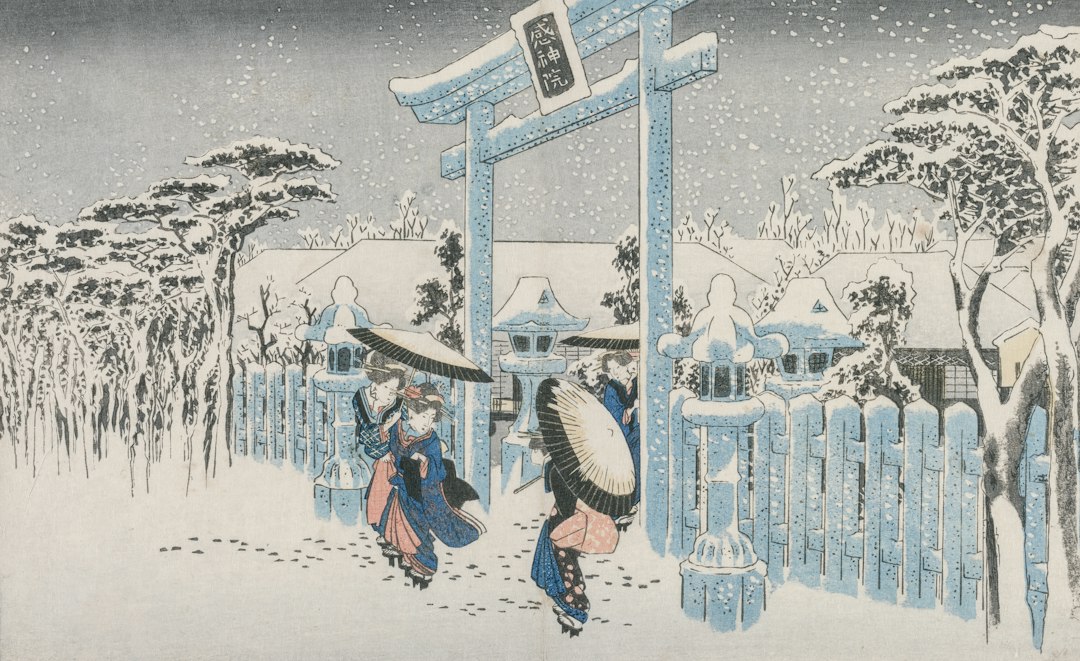
Hatsumode (初詣), the first shrine visit of the year, is one of Japan’s most cherished New Year traditions, and in 2026 millions of visitors will once again flock to famous shrines like Meiji Jingu and Fushimi Inari between January 1st and 3rd. If you’d rather ring in the New Year with quiet prayers instead of shoulder-to-shoulder crowds, this guide highlights the calmest, most atmospheric shrines across Japan for a peaceful hatsumode experience in 2026, along with practical cold-weather and crowd-avoidance tips.
Why Choose a Quiet Shrine for Hatsumode 2026?
Japan’s biggest shrines can see wait times of over two hours during the first three days of January. For travelers who want to soak in the spiritual atmosphere—ringing the bell, drawing an omikuji fortune, sipping amazake by a fire—without the chaos, smaller and lesser-known shrines offer a far more authentic, contemplative experience. They’re also wonderful spots for photography, especially against snowy backdrops in northern and mountain regions.
Top Quiet Shrines for Hatsumode in 2026
1. Sasuke Inari Shrine, Kamakura
Tucked into a wooded hillside behind the famous Great Buddha, Sasuke Inari is reached via a tunnel of vermillion torii gates but rarely sees the crowds of nearby Tsurugaoka Hachimangu. It’s an ideal alternative if you’re visiting Kamakura for New Year and want tranquility just minutes from the tourist trail.
2. Togakushi Shrine, Nagano
Set deep in the Japanese Alps and often blanketed in fresh snow, Togakushi Shrine’s five sub-shrines are connected by an ancient cedar-lined path. The snowy hush here in early January is magical, though warm layers and waterproof boots are essential.
3. Futarasan Jinja, Nikko
While Toshogu Shrine draws huge New Year crowds, the adjacent Futarasan Jinja—Nikko’s oldest shrine—remains peaceful even during the holidays. Its forested setting and mossy stone lanterns make it a serene choice for hatsumode.
4. Jonangu Shrine, Kyoto
South of Kyoto’s tourist center, Jonangu is known for its seasonal gardens and is far less crowded than Fushimi Inari or Yasaka Shrine. It’s a great pick for travelers based in Kyoto who still want a classic New Year shrine visit without the queues.
5. Hokkaido Jingu, Sapporo (Early Morning)
Hokkaido Jingu does draw local crowds, but visiting before sunrise on January 1st—or on January 2nd or 3rd instead—lets you experience the shrine’s snow-dusted grounds in near solitude, with steaming amazake stalls glowing under lantern light.
6. Aoshima Shrine, Miyazaki
For a warmer, uncrowded hatsumode, this coastal shrine on Kyushu’s subtropical shoreline is surrounded by dramatic “Devil’s Washboard” rock formations and rarely feels overrun, even during the holidays.
7. Naminoue Shrine, Okinawa
Perched on a cliff above the ocean in Naha, Naminoue offers hatsumode with sea breezes instead of snowflakes, and its distance from mainland tourist circuits keeps crowds manageable.
Crowd-Avoidance Strategies for 2026
- Visit outside January 1–3: The period from January 4–7 sees a dramatic drop in visitors while shrines remain fully decorated and festive.
- Go before dawn or late at night: Many shrines stay open 24 hours over New Year; arriving before 6am or after 9pm avoids peak flows entirely.
- Choose neighborhood shrines: Every town has a local ujigami (guardian shrine) that locals visit—ask your ryokan or hotel staff for a recommendation near you.
- Check shrine social media: Many shrines now post real-time crowd updates on X (Twitter) or Instagram during the New Year period.
Cold-Weather Preparation Tips
Hatsumode often means standing outdoors in freezing temperatures, especially in Nagano, Tohoku, and Hokkaido. Pack thermal base layers, a windproof outer shell, insulated gloves, and hand warmers (kairo), which are sold at nearly every convenience store. Waterproof, non-slip boots are essential if visiting snowy shrines like Togakushi. Many shrines sell warm amazake (sweet sake) and amazake-flavored treats near the entrance—a perfect way to warm up between prayers.
Getting There: Transportation Tips for 2026
For long-distance shrine hopping, the Japan Rail Pass remains a solid option, though pricing has been higher since the October 2023 revision—a 7-day ordinary pass now costs ¥50,000 for adults (as of 2026, always confirm current pricing on the official JR Pass website before purchase, as rates can be adjusted). For city and regional travel, Suica and Pasmo IC cards remain the easiest way to pay for trains, buses, and convenience store purchases; as of 2026, both cards support mobile issuance for iPhone and many Android devices, and the “Welcome Suica” physical card for short-term visitors continues to be available at major airport counters after supply shortages were resolved. If you’re combining hatsumode with holiday shopping, remember Japan’s consumption tax remains 10%, and tax-free shopping requires a minimum purchase of ¥5,000 at participating stores with passport presentation.
Visa and Entry Notes for 2026
As of 2026, travelers from many countries including the US, UK, Australia, and most EU nations can still enter Japan visa-free for short-term tourism (up to 90 days) under the existing waiver program. However, entry requirements are periodically updated, so check the Ministry of Foreign Affairs of Japan website close to your travel date for any new pre-arrival registration requirements before booking your New Year trip.
Sample Quiet Hatsumode Itinerary
- December 31: Arrive in your base city, enjoy a quiet New Year’s Eve soba dinner (toshikoshi soba) at a local restaurant.
- January 1, early morning: Visit a neighborhood shrine before sunrise for your first prayers of the year.
- January 2–3: Explore lesser-known shrines like Sasuke Inari or Jonangu while big shrines remain packed.
- January 4–7: Visit famous shrines such as Meiji Jingu or Fushimi Inari once crowds have thinned significantly.
Final Thoughts
Hatsumode doesn’t have to mean fighting through crowds in the cold. By choosing quieter shrines, timing your visits strategically, and preparing properly for winter weather, you can experience one of Japan’s most meaningful traditions in peace during your 2026 New Year trip. Whether it’s a snow-hushed mountain shrine in Nagano or a windswept coastal shrine in Okinawa, Japan offers a quiet hatsumode experience for every kind of traveler.
Photo by The Cleveland Museum of Art on Unsplash