Introduction: Why the JR Hokkaido Rail Pass Matters in 2026
If you are dreaming of a snowy winter escape or a New Year’s holiday filled with hatsumode shrine visits, hot springs, and glittering illuminations, Hokkaido should be on your 2026 itinerary. Japan’s northernmost island is best explored by rail, and the JR Hokkaido Rail Pass—a regional alternative to the nationwide JR Pass—remains the smartest way to save money while covering vast distances between Sapporo, Otaru, Furano, Hakodate, and beyond. This 2026 guide covers current pricing, coverage, purchase steps, and essential cold-weather strategies for winter and New Year travelers.
What Is the JR Hokkaido Rail Pass?
The JR Hokkaido Rail Pass is a regional (not nationwide) rail pass issued by JR Hokkaido, valid exclusively on JR Hokkaido lines, including the Hokkaido Shinkansen (Shin-Hakodate-Hokuto to Shin-Aomori section), limited express trains, and local lines across the island. Unlike the nationwide Japan Rail Pass—whose price rose in October 2023 and remains at that higher tier through 2026—the Hokkaido regional pass is often far more economical for travelers who plan to stay within Hokkaido rather than crisscross the whole country.
2026 Pricing for the JR Hokkaido Rail Pass
As of 2026, JR Hokkaido offers several pass options, though prices are subject to periodic revision, so always verify on the official JR Hokkaido website before booking:
- 3-Day Consecutive Pass: approximately 16,500 JPY for adults
- 5-Day Consecutive Pass: approximately 22,000 JPY for adults
- 4-Day Flexible Pass (any 4 days within a 10-day window): approximately 22,000 JPY for adults
- Child passes are typically priced at half the adult fare
These regional pass prices remain significantly lower than the nationwide JR Pass (which as of 2026 costs around 50,000 JPY for a 7-day ordinary pass following the 2023 price increase), making the Hokkaido-only pass an excellent value if your trip is focused on the island.
Where Can You Go? Coverage Area Explained
The pass covers the entire JR Hokkaido network, letting you reach:
- Sapporo – the gateway city with excellent winter illuminations and White Illumination festival lights in December
- Otaru – canal views, snow-dusted streets, and cozy glassware shops perfect for a winter day trip
- Furano and Biei – snowy hills and skiing access via limited express trains
- Hakodate – Mt. Hakodate night views and fresh seafood markets, reachable via the Hokkaido Shinkansen
- Asahikawa – gateway to Asahiyama Zoo, famous for its winter penguin walks
- Kushiro, Abashiri, and Wakkanai – remote winter landscapes for those seeking drift ice and untouched snow country
How to Purchase the JR Hokkaido Rail Pass
Travelers can buy the pass in two main ways: purchasing an exchange voucher online in advance through the official JR Hokkaido website or authorized travel agencies, or buying directly at JR Hokkaido ticket counters at major stations like Sapporo, New Chitose Airport, and Hakodate. Booking online before your trip is recommended, especially during the busy year-end and New Year period (late December through early January), when demand for both passes and seat reservations spikes. Bring your passport, as the pass is only available to travelers with a Temporary Visitor visa status.
JR Hokkaido Rail Pass vs. Nationwide JR Pass: Which Should You Choose?
If your entire trip stays within Hokkaido, the regional pass wins on price and simplicity. If you plan to combine Hokkaido with Tokyo, Tohoku, or other regions using the Shinkansen network extensively, the nationwide JR Pass or a combination pass may be more cost-effective. Calculate your planned routes and compare total individual ticket costs against each pass price before deciding—Hokkaido’s point-to-point limited express fares can be pricey, so even short 3-day itineraries often justify the regional pass.
IC Cards and Kitaca: What to Know in 2026
Within Sapporo and nearby city lines, Hokkaido’s own IC card, Kitaca, is widely used and interoperable with Suica, Pasmo, and other major Japanese IC cards for local trains, subways, and convenience store purchases. As of 2026, foreign-issued contactless credit and debit cards are increasingly accepted for tap-to-ride on Sapporo’s subway and JR Hokkaido urban lines, though coverage in rural winter destinations remains limited—carry cash as backup when heading to smaller stations in snow country.
Winter and New Year Crowd Avoidance Strategies
Late December through the first days of January is one of Japan’s busiest travel windows, as families travel for oshogatsu (New Year) celebrations and hatsumode shrine visits. To avoid packed trains and sold-out reserved seats:
- Reserve seats as early as possible once your pass is confirmed, especially for the Hokkaido Shinkansen and limited express trains to Furano or Hakodate
- Travel on December 30th-31st or January 2nd-3rd rather than January 1st itself, when many attractions are closed for the holiday
- Visit popular shrines like Hokkaido Jingu in Sapporo very early in the morning to avoid hatsumode crowds
- Book winter illumination viewing (Sapporo White Illumination, Otaru Snow Light Path in February) on weekdays rather than weekends
Cold-Weather Preparation Tips
Hokkaido winters are serious business, with temperatures regularly dropping below freezing and heavy snowfall common. Prepare accordingly:
- Wear insulated, waterproof boots with good grip—icy platforms and sidewalks are common
- Layer clothing with thermal base layers, a warm coat, gloves, and a hat
- Trains can experience delays or cancellations during heavy snowstorms, so build buffer time into tight itineraries, especially near New Year travel dates
- Warm up at station kiosks or convenience stores, and enjoy heated kotatsu tables at ryokan accommodations for cozy evenings after a day in the snow
Sample 5-Day Winter Itinerary Using the JR Hokkaido Rail Pass
Day 1: Arrive Sapporo, explore Susukino and enjoy winter illuminations. Day 2: Day trip to Otaru for canal views and snow light path (seasonal). Day 3: Travel to Asahikawa for Asahiyama Zoo’s penguin walk. Day 4: Head to Furano/Biei for snowy landscapes and hot springs. Day 5: Return to Sapporo via limited express, visit Hokkaido Jingu for a quiet hatsumode visit before departure.
Frequently Asked Questions
Is the JR Hokkaido Rail Pass worth it for a short winter trip? Yes, even a 3-day consecutive pass often pays for itself with just two or three limited express journeys, such as Sapporo to Hakodate or Sapporo to Asahikawa.
Can I use the pass on the Hokkaido Shinkansen to Tokyo? The pass covers only the Hokkaido segment up to Shin-Aomori; travel beyond that requires additional tickets or a nationwide JR Pass.
Do I need seat reservations during New Year? Yes, reserving seats in advance is strongly recommended for limited express and Shinkansen trains during the year-end and New Year holiday rush.
Final Thoughts
The JR Hokkaido Rail Pass remains one of the best value regional passes in Japan for 2026, especially for travelers chasing snowy landscapes, hot springs, and New Year traditions across Hokkaido. Always double-check current 2026 pricing and any seasonal service changes on the official JR Hokkaido website before you travel, pack warmly, and plan your reservations early to make the most of your winter adventure in Japan’s snow country.
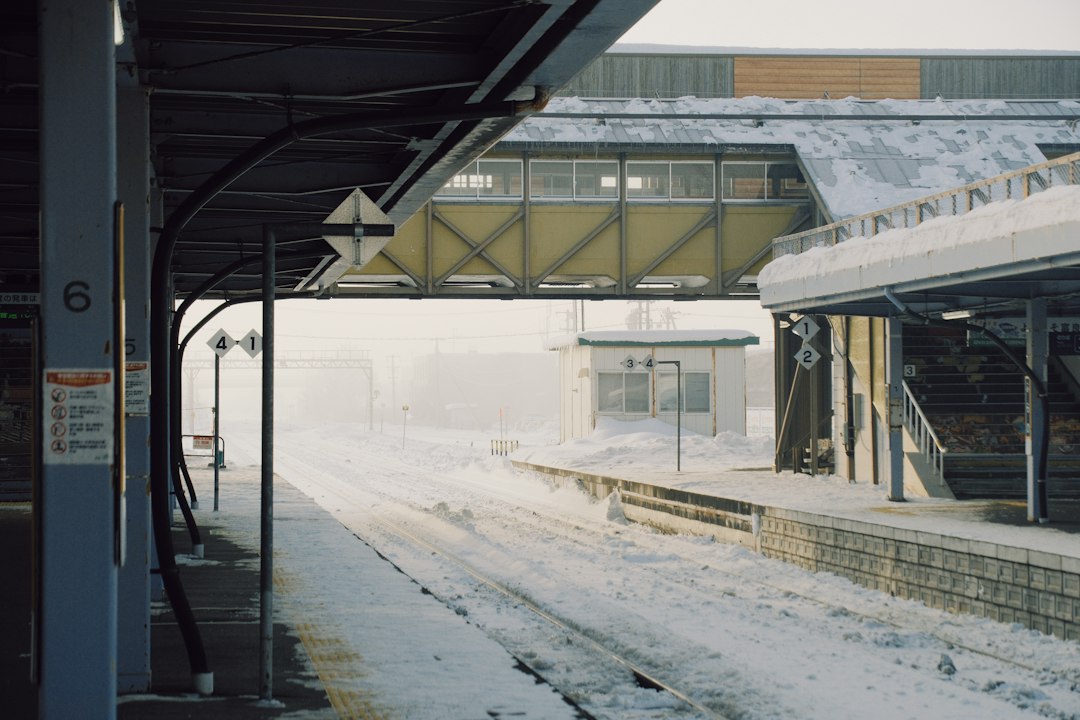
Photo by Cuvii on Unsplash