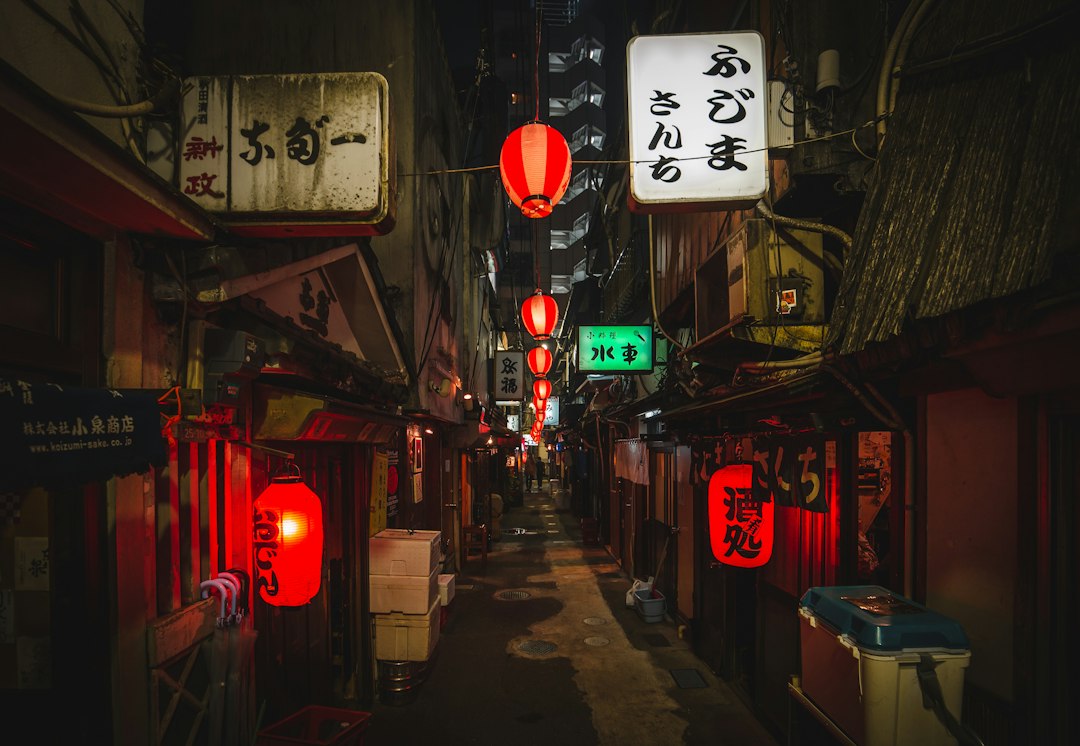
Japan continues to rank as one of the safest countries in the world for travelers in 2026, and that’s especially good news if you’re planning a solo trip. Low crime rates, reliable public transport, and a culture that values order and respect make Japan an ideal destination for solo male travelers, whether you’re backpacking through Tokyo, hiking in the Japanese Alps, or bar-hopping in Osaka. That said, “safe” doesn’t mean “risk-free.” This guide covers everything a solo male traveler needs to know in 2026, from entry requirements and money matters to nightlife precautions and natural disaster preparedness.
How Safe Is Japan for Solo Male Travelers, Really?
Japan’s violent crime rate remains extremely low compared to Western countries, and it’s common to see people leaving bags on cafe tables to reserve seats or walking home alone late at night without incident. As a solo male traveler, you’ll likely feel more anonymous and less targeted for scams than in many other tourist destinations. However, petty theft, pickpocketing in crowded areas like Shibuya Crossing or Dotonbori, and tourist-targeted scams in nightlife districts do occur, particularly around Kabukicho in Tokyo and Susukino in Sapporo. Being aware and prepared will keep your trip smooth.
Entry Requirements and Visa Rules in 2026
As of 2026, travelers from over 70 countries, including the US, UK, Canada, Australia, and most EU nations, can enter Japan visa-free for stays of up to 90 days for tourism purposes. You’ll need a passport valid for the duration of your stay and, in most cases, proof of onward travel. Japan has discussed introducing an electronic travel authorization system similar to the US ESTA in the coming years, but as of 2026 no such pre-registration is mandatory for visa-exempt nationals—always double-check the official Ministry of Foreign Affairs of Japan website before departure since policies can shift with little notice.
Money, IC Cards, and Tax-Free Shopping Updates
Japan remains largely cash-based outside major cities, so solo travelers should carry some yen at all times, especially for rural areas, small ramen shops, and shrines. That said, IC cards like Suica and Pasmo are essential for solo travel convenience, letting you tap through trains, buses, and even vending machines. As of 2026, physical Suica and Pasmo cards are once again available for purchase by visitors after previous chip-shortage restrictions, and mobile versions work seamlessly with Apple Pay and Google Wallet using foreign-issued credit cards, meaning you can add a virtual Suica to your phone before you even land. For shopping, Japan’s consumption tax remains at 10% (8% for food and drinks), and tax-free purchases still require spending a minimum of 5,000 yen at participating stores with passport in hand. Japan has also been rolling out a refund-based tax-free system designed to reduce fraud, so as of 2026 some retailers may ask you to pay tax upfront and claim a refund at the airport—check signage at the point of sale or ask staff directly.
Getting Around Safely: Trains, JR Pass, and Night Transport
Japan’s train system is famously punctual and safe, even late at night, making it one of the best places for a solo male traveler to explore without worrying about personal security on public transport. If you’re traveling around the country, the Japan Rail Pass remains a useful option, though pricing increased significantly after the October 2023 revision: as of 2026, expect to pay approximately 50,000 yen for a 7-day ordinary pass, 80,000 yen for 14 days, and 100,000 yen for 21 days (Green/first-class passes cost more). Do the math against individual shinkansen tickets for your itinerary, since the pass isn’t automatically the cheapest option anymore. For late-night safety, Japan’s trains often stop running between midnight and 5 a.m. in many cities, so plan your last train home carefully or budget for a taxi, which remains a safe and reliable (if pricier) alternative.
Nightlife Safety: Kabukicho, Bars, and Drink Spiking
Solo male travelers are often drawn to Japan’s vibrant nightlife scenes, and while districts like Kabukicho (Tokyo), Susukino (Sapporo), and Dotonbori (Osaka) are generally safe to walk through, they do have a reputation for touts (“catch bars”) that lure tourists into bars with inflated bills or hidden cover charges. Follow these precautions:
- Never follow touts who approach you on the street promising cheap drinks or “beautiful girls”—legitimate bars don’t need street recruiters.
- Watch your drink being poured and never leave it unattended; drink-spiking incidents, while rare, have been reported in some nightlife districts targeting solo tourists.
- Agree on prices before ordering at any bar without a clearly posted menu.
- If a bill seems suspiciously high, ask for an itemized receipt and don’t hesitate to involve staff or call the police if you feel unsafe (dial 110 for police, 119 for medical emergencies).
- Stick to well-reviewed establishments recommended by other travelers or your accommodation.
Accommodation Safety Tips
Solo male travelers have plenty of safe accommodation options in Japan, from capsule hotels to hostels and business hotels. Capsule hotels and hostels are generally very safe, with lockers provided for valuables, but always bring your own small padlock for extra security. Business hotels (like APA, Toyoko Inn, or Route Inn chains) offer excellent value, privacy, and security for solo travelers at reasonable prices. When booking, check recent reviews for cleanliness and security features, and consider proximity to the last train station if you plan on enjoying the nightlife.
Health, Emergencies, and Natural Disasters
Japan has excellent healthcare, but as a solo traveler, travel insurance is non-negotiable—medical costs for foreigners without insurance can be steep. Keep a copy of your insurance policy and emergency contacts accessible on your phone. Japan is also prone to natural disasters, including earthquakes and typhoons, especially between June and October. Download the “Safety Tips” app by the Japan Tourism Agency, which provides multilingual earthquake and weather alerts. Familiarize yourself with the nearest evacuation routes at your accommodation, and if an earthquake hits, follow local instructions calmly—Japan’s building codes and disaster response systems are among the best in the world.
Cultural Etiquette That Keeps You Out of Trouble
Understanding basic etiquette helps solo travelers avoid unintentional offense or awkward confrontations. Avoid talking loudly on trains or phones, don’t walk and eat in formal areas, remove shoes when instructed, and always carry small bills for shrine donations or rural shops. Public intoxication is generally tolerated but avoid aggressive behavior, as Japan has strict laws around public disturbances and drug possession—even small amounts of substances legal elsewhere can lead to serious legal consequences and deportation.
Common Scams to Watch Out For
While rare, scams targeting solo tourists include overpriced “free” walking tours with aggressive tipping expectations, fake monks requesting donations near temples, and unofficial “guides” offering unsolicited help at train stations who then request payment. Always use official information counters, and if something feels off, politely decline and walk away.
Final Safety Checklist for Solo Male Travelers in 2026
Before you go, make sure you have: comprehensive travel insurance, a downloaded offline map and translation app, your accommodation address written in Japanese for taxi drivers, a copy of your passport stored separately from the original, and the Japan Safety Tips app installed. With these precautions and common sense, Japan remains one of the best and safest destinations in the world for solo male travelers in 2026—enjoy the journey with confidence.
Photo by Denys Nevozhai on Unsplash