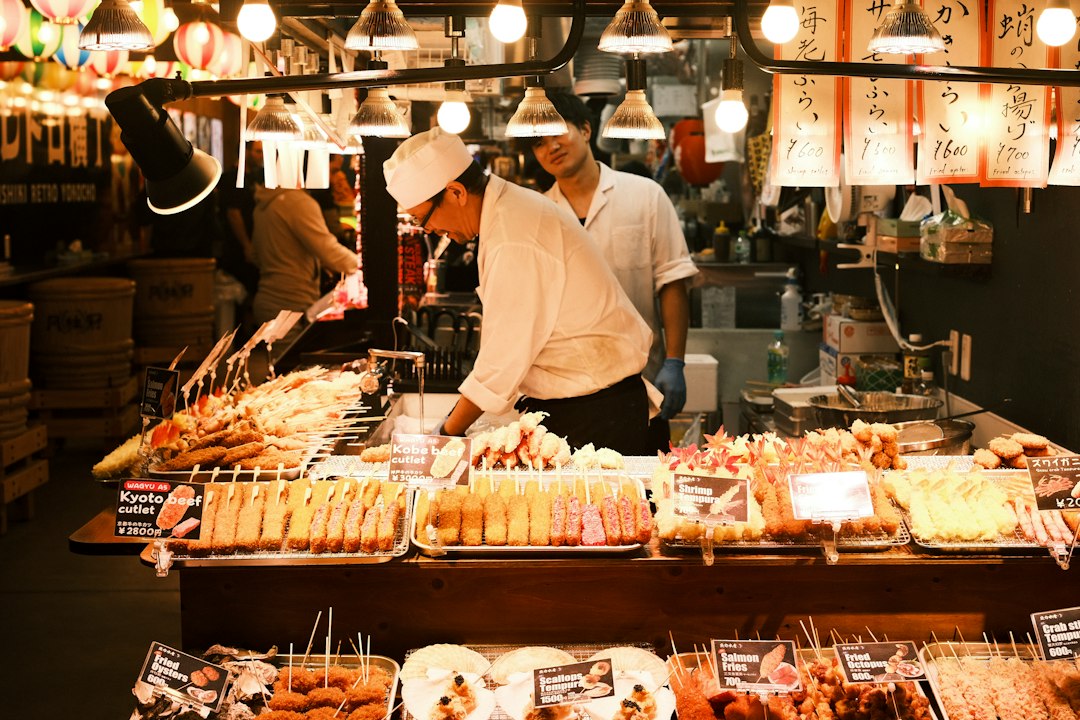
Planning a trip to Japan in 2026 but worried about the cost? Good news: Japan remains one of the most budget-friendly developed countries to eat and travel in, especially if you know where to look. This 2026 guide breaks down the best cheap eats, updated transport costs, and money-saving strategies so you can enjoy incredible food and unforgettable experiences without draining your savings.
Why Japan Is Still a Budget Traveler’s Paradise in 2026
Despite rising global travel costs, Japan continues to offer exceptional value thanks to a weak yen (fluctuating but generally favorable for foreign currencies throughout 2026), a culture that prizes quality at every price point, and an abundance of affordable dining options ranging from convenience stores to Michelin-recommended ramen shops. As of 2026, you can still eat a filling, delicious meal in Japan for 500-800 yen (roughly $3.50-$5.50 USD).
2026 Cheap Eats Guide: Where to Find the Best Budget Food
1. Konbini (Convenience Stores)
Japan’s convenience stores - 7-Eleven, FamilyMart, and Lawson - are a budget traveler’s best friend. Onigiri (rice balls) cost 130-180 yen, bento boxes range from 400-600 yen, and fresh sandwiches, fried chicken (karaage), and hot snacks are available 24/7. Quality is surprisingly high, and many locations have microwaves and seating areas.
2. Standing Soba and Udon Shops
Found near train stations, these no-frills eateries let you eat a bowl of noodles standing up for as little as 350-500 yen. Look for shops with ticket vending machines at the entrance - simply select your dish, pay, and hand the ticket to the staff.
3. Gyudon Chains
Yoshinoya, Sukiya, and Matsuya serve beef bowls (gyudon) starting around 400-500 yen. These chains are fast, reliable, and open late, making them perfect for budget dinners after a long day of sightseeing.
4. Ramen Under 1,000 Yen
While specialty ramen can run higher, most neighborhood ramen shops still serve excellent bowls for 700-900 yen as of 2026. Order via vending machine ticket systems common in Tokyo and Osaka to keep things simple even without Japanese language skills.
5. Kaiten-zushi (Conveyor Belt Sushi)
Chains like Sushiro, Kura Sushi, and Hama Sushi offer plates starting at 110-150 yen. It’s an affordable and fun way to sample fresh sushi without committing to an expensive sushi-ya.
6. Depachika (Department Store Basements)
Head to the basement food halls of major department stores in the early evening for discounted bento boxes and prepared foods, often marked down 20-50% as closing time approaches.
7. Teishoku (Set Meals)
Many local restaurants offer lunch set menus (teishoku) with rice, miso soup, a main dish, and pickles for 800-1,200 yen - often cheaper and more filling than ordering à la carte at dinner.
8. Bakeries and Bread Shops
Japanese bakeries sell delicious pastries, melon pan, and sandwiches for 150-350 yen each, making them great for a quick, cheap breakfast on the go.
Updated 2026 Transport Costs: JR Pass, IC Cards, and More
JR Pass Pricing (Post-October 2023 Increase)
The Japan Rail Pass price increase from October 2023 remains in effect as of 2026. A 7-day ordinary Japan Rail Pass costs approximately 50,000 yen, up significantly from previous years. Before purchasing, calculate whether your planned train routes justify the cost - for shorter trips or single-region travel, individual tickets or regional passes (like the JR Kansai Pass) may be more economical. Always confirm current pricing on the official JR Group website, as rates can be adjusted.
IC Cards: Suica and Pasmo Updates
Suica and Pasmo cards remain essential for budget travelers navigating trains, buses, and convenience store purchases. As of 2026, physical IC card availability has stabilized after previous chip shortages, though some tourist-focused “Welcome Suica” and “Pasmo Passport” cards remain the recommended option for visitors since they don’t require a refundable deposit. Additionally, mobile Suica and Pasmo now offer improved compatibility with foreign-issued Apple Pay and Google Pay accounts, allowing many international travelers to add a virtual IC card directly to their smartphone without needing a physical card. Check official East Japan Railway and Pasmo sources for the latest compatibility details before your trip.
Tax-Free Shopping in 2026
Japan’s consumption tax remains at 10% (8% for food and beverages purchased for takeaway) as of 2026. Tourists can still enjoy tax-free shopping at eligible stores by presenting their passport for purchases typically exceeding 5,000 yen. Note that as of recent reforms, some procedures have shifted toward a refund-at-departure system at major airports rather than immediate in-store exemption - confirm current procedures at point of purchase since rules can vary by retailer.
Visa and Entry Requirements for 2026
Most travelers from visa-exempt countries (including the US, UK, Australia, Canada, and EU nations) can still enter Japan for short-term tourism without a visa for stays up to 90 days. However, Japan has been rolling out an electronic pre-travel authorization system similar to the US ESTA and Europe’s ETIAS. As of 2026, check whether your nationality requires completing this online authorization before departure, as requirements have been evolving. Always verify current entry requirements on the official Ministry of Foreign Affairs of Japan website or your nearest Japanese embassy before booking flights.
Sample Daily Budget for 2026
- Accommodation (hostel dorm bed): 2,500-4,000 yen
- Breakfast (konbini or bakery): 400-600 yen
- Lunch (teishoku or ramen): 800-1,000 yen
- Dinner (gyudon or kaiten-zushi): 700-1,000 yen
- Local transport (IC card): 600-1,000 yen
- Miscellaneous/snacks: 500 yen
Total: Approximately 5,500-8,100 yen per day (roughly $37-$55 USD), excluding intercity transport and major attractions.
Extra Money-Saving Tips
- Travel during shoulder seasons (late spring or autumn, avoiding peak cherry blossom and Golden Week dates) for cheaper flights and accommodation.
- Use capsule hotels and hostels, which offer clean, safe budget stays starting around 2,500 yen per night.
- Take advantage of free walking tours and free-entry shrines and temples, which make up a large portion of Japan’s cultural attractions.
- Buy a regional IC card or day pass if you’re focusing on one city, rather than an expensive nationwide JR Pass.
- Refill water bottles at free tap water stations rather than buying bottled drinks.
Frequently Asked Questions
Is Japan still affordable to visit in 2026?
Yes. While prices have risen slightly since previous years, Japan remains very affordable for food and daily expenses compared to other developed countries, especially when using konbini, chain restaurants, and public transport passes strategically.
Do I need cash or can I use cards everywhere?
Cashless payment has expanded significantly, but many small eateries and rural areas still prefer cash. Carry some yen alongside your IC card and credit cards for maximum flexibility.
Final Thoughts
With a bit of planning, eating well and traveling affordably in Japan in 2026 is entirely achievable. Prioritize local eateries, use updated IC card and JR Pass information wisely, and always double-check the latest visa and tax-free shopping rules on official government sources before you go. Happy travels and happy eating!
Photo by Perry Merrity II on Unsplash