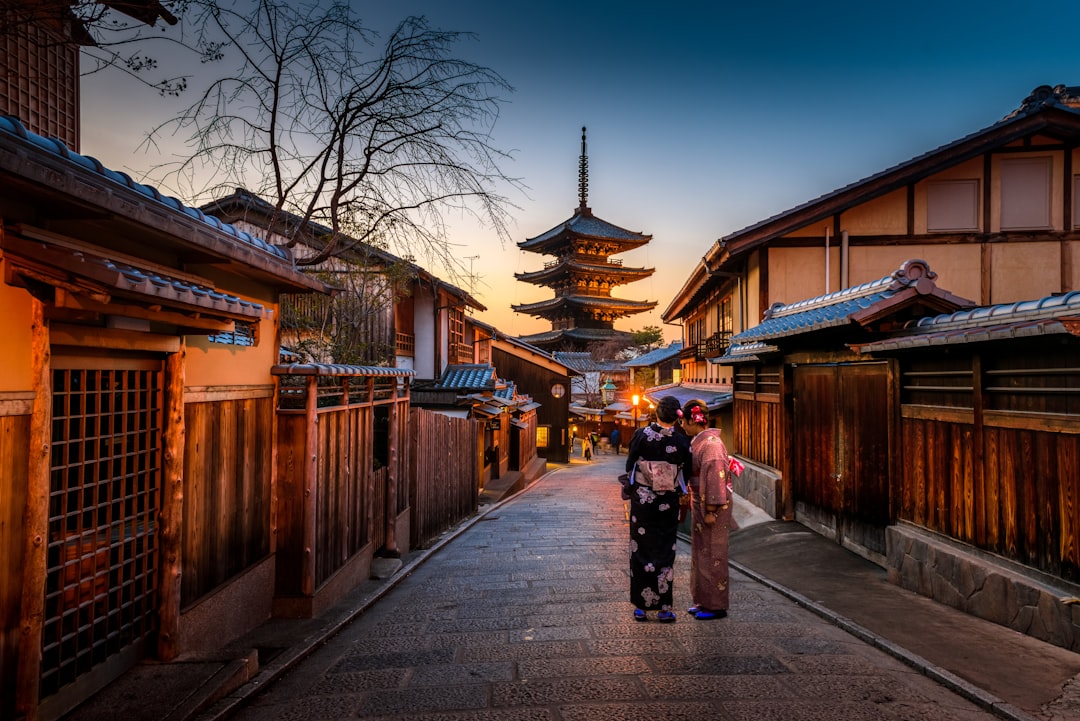

Photo by Sorasak on Unsplash
Why Japanese Etiquette Matters for Your 2026 Trip
Japan continues to welcome record numbers of international visitors in 2026, and with that surge in tourism comes an increased responsibility for travelers to understand and respect local customs. Japanese etiquette — known collectively as reigi (礼儀) — is not simply a set of optional suggestions. It is the invisible social fabric that holds everyday life together in Japan, from the busy streets of Tokyo to the serene temple grounds of Kyoto. Whether you are visiting for the first time or returning for your tenth journey, understanding proper behavior will enrich your experience enormously, earn you genuine respect from locals, and help you avoid uncomfortable — or even embarrassing — situations. This comprehensive guide covers everything you need to know about Japanese etiquette for travelers heading to Japan in 2026.
Greetings and Physical Contact
One of the first things visitors notice in Japan is the greeting culture. The bow, or ojigi, is the cornerstone of Japanese social interaction. Unlike in many Western countries, handshakes are not the default greeting, and hugs or kisses on the cheek are generally considered intrusive, particularly with strangers or business acquaintances.
How to Bow Correctly
- A slight nod (5–15 degrees) is appropriate for casual acknowledgments, such as thanking a cashier or passing someone in a ryokan hallway.
- A 30-degree bow is the standard polite greeting used in most everyday situations — use this when meeting someone for the first time or thanking staff at a restaurant.
- A 45-degree or deeper bow is reserved for formal occasions, expressing deep gratitude, or showing sincere apology.
- As a foreigner, locals do not expect you to bow perfectly — any genuine attempt will be warmly appreciated.
- Do not try to initiate handshakes unless the Japanese person extends their hand first.
Eye contact in Japan is also more nuanced than in many Western cultures. Prolonged, direct eye contact can feel confrontational or disrespectful. Brief, respectful eye contact followed by a slight downward gaze is considered more polite in formal or new social settings.
Shoes and Indoor Etiquette
Removing your shoes before entering certain spaces is one of the most important rules in Japan, and it applies in more situations than many travelers expect.
When to Remove Your Shoes
- Private homes: Always remove shoes at the genkan (entryway). Turn your shoes to face the door after removing them — this is considered considerate and tidy.
- Traditional ryokan: Shoes are removed at the entrance. Slippers are provided for hallways, but must be swapped for special toilet slippers inside the bathroom — and then swapped back when you leave the bathroom. Forgetting this is a common and noticeable faux pas.
- Temples and some shrines: Look for signs or rows of shoes at the entrance to indicate you should remove yours.
- Some traditional restaurants: Particularly those with tatami seating, shoes are removed before stepping onto the tatami mat area.
- Tatami rooms: Never walk on tatami in shoes or even regular slippers — bare feet or socks only.
Wearing slip-on shoes or shoes that are easy to remove is a practical tip that experienced Japan travelers swear by. It makes the constant shoe-removing far less cumbersome.
Dining Etiquette in Japan
Food is deeply intertwined with culture in Japan, and the dining table (or counter) comes with its own rich set of rules and rituals.
Before You Eat
- Say itadakimasu (いただきます) before eating — it expresses gratitude for the meal and is considered respectful even for foreign guests.
- Use the oshibori (wet towel) to clean your hands only — not your face or neck, as this is considered impolite in nicer establishments.
- Wait to be seated, even if a restaurant appears empty. Staff will guide you to your table.
Chopstick Rules
- Never stick chopsticks upright into a bowl of rice — this resembles funeral rituals and is considered deeply offensive.
- Do not pass food directly from your chopsticks to someone else’s chopsticks — again, this mimics a funeral ceremony.
- Do not point with chopsticks or wave them around while talking.
- If taking food from a shared dish, use the reverse (clean) end of your chopsticks or use the serving chopsticks provided.
Drinking and Paying
- It is customary to pour drinks for others before pouring for yourself. If someone pours for you, hold your glass up slightly with both hands.
- The phrase kanpai (乾杯) is used for toasting — do not drink before the toast is made.
- Tipping is not practiced in Japan and can actually cause confusion or offense. Excellent service is simply the standard — expressing gratitude verbally or with a bow is perfectly sufficient.
- Pay at the register, not at the table, in the vast majority of Japanese restaurants.
Behavior in Public Spaces
Public spaces in Japan — from train stations to convenience stores — operate under an unspoken code of conduct that keeps things orderly and pleasant for everyone.
On Public Transportation
- Silence your phone and avoid talking on phone calls while on trains and buses. This is taken very seriously and fellow passengers will notice.
- Set your phone to manner mode (silent/vibrate) as soon as you board.
- Keep your voice low when speaking with travel companions.
- Give up priority seats (marked with colored stickers) for elderly, pregnant, or disabled passengers without hesitation.
- Queue properly at the marked lines on platforms — jumping the queue is considered very rude.
- Eating and drinking on local trains and subways is generally frowned upon. Long-distance Shinkansen (bullet trains) are the exception.
- As of 2026, IC cards like Suica and Pasmo remain the easiest way to travel — and foreign credit and debit card compatibility has been significantly expanded at station gates in major cities. Check official Suica app updates before your trip for the latest mobile wallet options available to international visitors.
Escalators and Pedestrian Flow
- In Tokyo, stand on the left side of escalators and leave the right side for those walking up. In Osaka, the convention is reversed — stand on the right. This rule is deeply ingrained and ignoring it can cause real frustration.
- Avoid stopping suddenly in the middle of busy walkways or station concourses to check your phone or map.
Noise and Public Behavior
- Avoid eating while walking on the street. While convenience store snacks are tempting, find a spot to stand still or sit while eating.
- Littering is essentially unheard of in Japan. Carry a small bag for your trash and dispose of it properly at designated bins, which are often only found near convenience stores or train stations.
- Loud or boisterous behavior in residential areas — particularly late at night — is considered very disrespectful.
Temple and Shrine Etiquette
Japan’s spiritual sites are among its most visited attractions, and they deserve particular reverence and care.
At Shinto Shrines
- Before approaching the main hall, purify your hands at the temizuya (water basin): rinse the left hand, then the right, then cup water in your left hand to rinse your mouth, then rinse the left hand once more.
- Bow twice, clap twice, make your silent prayer, then bow once more — this is the standard nirei nihakushu ichirei ritual.
- Do not clap or make excessive noise near the main hall outside of the prayer ritual.
At Buddhist Temples
- Buddhist temples generally do not involve clapping — press your hands together in gassho (prayer hands) and bow.
- Incense smoke at temples is believed to have healing properties — wafting it toward your body is considered a blessing, not strange behavior.
- Photography rules vary enormously — always look for signs and ask before photographing sacred objects or interiors.
Onsen (Hot Spring) Etiquette
Visiting an onsen is one of the most distinctly Japanese experiences you can have, and the rules are strictly observed.
- Shower thoroughly before entering any communal bath — this is non-negotiable. Use the seated shower stations provided and wash your hair and entire body.
- Tattoos remain a sensitive issue at many traditional onsen facilities as of 2026. Some establishments have become more accommodating, offering private baths for tattooed guests, but many still prohibit tattoos in communal baths. Always check the policy before booking.
- Do not bring your towel into the water — leave it folded on the side or on your head.
- Keep your voice low and avoid splashing or disruptive behavior.
- Swimming or excessive movement in the bath is not appropriate — the onsen is a place of quiet relaxation.
Shopping and Money Etiquette
Japan’s shopping experience is world-class, and a few etiquette tips will make it even smoother.
- When paying, place cash in the tray provided at the counter rather than directly into the cashier’s hand.
- As of 2026, Japan’s consumption tax stands at 10%. Tax-free shopping is available to tourists on purchases meeting minimum spend requirements at registered retailers — look for the Tax Free logo. You will need to present your passport and the purchase will be recorded in the Visit Japan Web system at departure.
- Do not handle merchandise carelessly or unfold neatly stacked items without intention to purchase.
- Bargaining is not practiced in Japanese retail settings — prices are fixed.
- Store staff will greet you with irasshaimase (いらっしゃいませ) — you do not need to respond, though a small nod is perfectly fine.
Language and Communication Tips
Even minimal Japanese language effort goes a very long way in Japan.
- Learning a few key phrases — sumimasen (excuse me/sorry), arigatou gozaimasu (thank you), onegaishimasu (please) — will earn immediate goodwill.
- If someone does not understand you, speaking more slowly and clearly works better than speaking louder.
- Google Translate’s camera mode is an invaluable tool for reading menus and signs — as of 2026, it handles Japanese exceptionally well.
- Avoid saying no directly in Japanese culture — if you need to decline something, a vague deflection like chotto (a little/somewhat difficult) is considered more socially graceful.
Final Thoughts: Respect Earns Remarkable Experiences
Japan in 2026 is as extraordinary as ever — a place where ancient traditions coexist seamlessly with cutting-edge modernity. The locals have seen a significant increase in tourism over recent years, and while they remain wonderfully welcoming, they genuinely appreciate when visitors take the time to learn and follow local customs. You do not need to be perfect. A sincere attempt to show respect — removing your shoes, bowing, keeping quiet on the train — communicates volumes. It signals that you see Japan not merely as a backdrop for your photos, but as a living culture worthy of genuine engagement. Follow this guide, approach every interaction with curiosity and humility, and Japan will reward you with some of the most memorable experiences of your life.