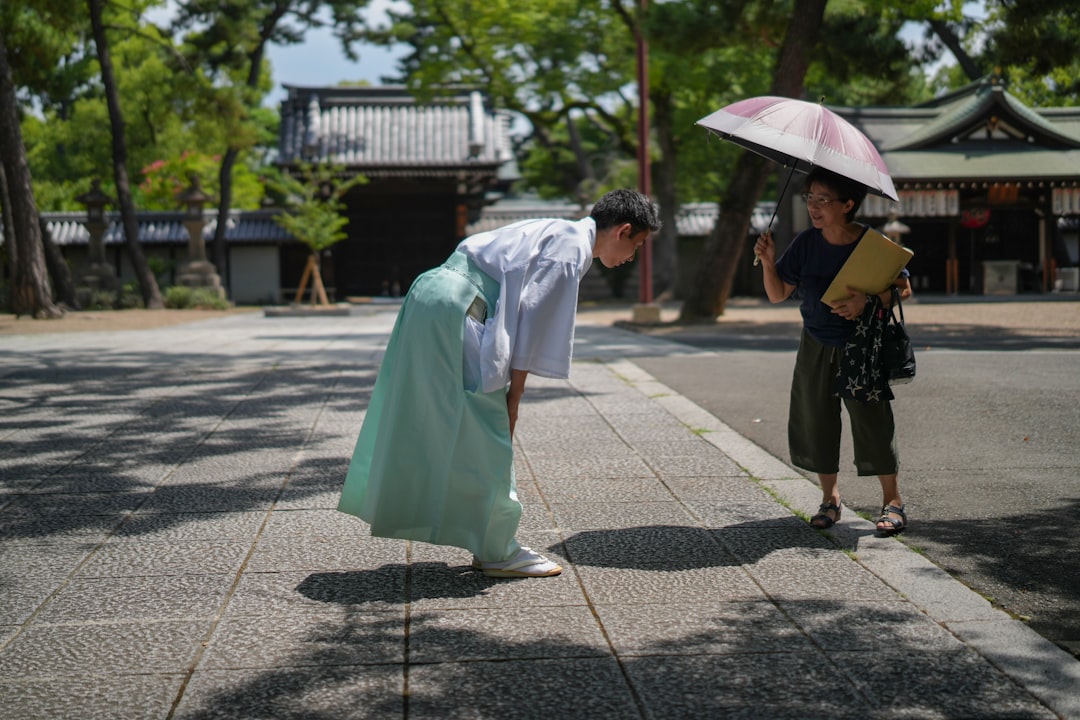

Photo by Buddy AN on Unsplash
Why Japanese Etiquette Matters More Than Ever in 2026
Japan welcomed a record-breaking number of international visitors in 2025, and as tourism continues to surge into 2026, understanding Japanese etiquette for travelers has never been more important. From the bustling streets of Shibuya to the serene temples of Kyoto, how you behave as a guest in Japan speaks volumes — not just about you personally, but about travelers from your home country as a whole. The good news? Japanese people are famously gracious and forgiving toward foreign visitors. But making the effort to learn local customs will transform your trip from a simple sightseeing tour into a deeply meaningful cultural exchange. This comprehensive guide covers everything you need to know about Japanese social norms, temple etiquette, dining customs, transportation rules, and much more — all updated for 2026.
Before You Arrive: Entry and Visa Etiquette in 2026
As of 2026, Japan has maintained its tourism tax system and visitor management protocols introduced in recent years. Many nationalities can enter Japan visa-free for short stays, but requirements vary significantly by country. We strongly recommend checking the official Japan Ministry of Foreign Affairs website or your nearest Japanese embassy for the most current visa requirements before you travel, as policies have seen updates in 2025 and 2026.
Japan also implemented stricter tourist management measures in popular destinations like Kyoto and Fujikawaguchiko. Respect any access restrictions, fencing, or crowd-control barriers you encounter — these exist not to ruin your experience, but to protect local communities and heritage sites from over-tourism. Ignoring these barriers is considered deeply disrespectful and, in some cases, is now subject to fines as of 2026.
The Golden Rules: Core Principles of Japanese Etiquette
Before diving into specific situations, it helps to understand the philosophical foundation of Japanese social behavior. Three core concepts govern most etiquette rules:
- Meiwaku (迷惑) — Avoid causing inconvenience or trouble to others. This single concept explains most Japanese social rules, from keeping quiet on trains to not eating while walking.
- Omotenashi (おもてなし) — The spirit of selfless hospitality. Understanding this helps you appreciate why service in Japan is so exceptional, and why being a considerate guest is deeply valued.
- Honne and Tatemae (本音と建前) — The difference between true feelings and public behavior. Japanese communication is often indirect, so learn to read subtle cues rather than waiting for direct criticism.
Shoe Etiquette: When and Where to Take Them Off
One of the most practical etiquette rules in Japan is knowing when to remove your shoes. This is non-negotiable in many settings and getting it wrong can cause real embarrassment.
- Traditional ryokan (Japanese inns): Always remove shoes at the entrance (genkan) and place them neatly facing outward.
- Temples and some shrines: Look for a step up and a rack for shoes near the entrance of inner sanctuaries.
- Traditional restaurants: If you’re seated on tatami mats or in a raised area, shoes come off.
- Private homes: Always remove shoes without being asked. Slippers are often provided — wear them everywhere except on tatami mats.
- Changing slippers: Many traditional venues have special toilet slippers inside bathrooms. Always swap back to regular slippers when you exit — forgetting is a classic faux pas!
Dining Etiquette: Eating Like a Respectful Guest
Japanese dining culture is rich with ritual and meaning. Follow these guidelines to show respect at the table:
Before and During the Meal
- Say “Itadakimasu” (いただきます) before eating — it’s a humble expression of gratitude for the food and those who prepared it.
- Use the wet towel (oshibori) provided at many restaurants to clean your hands only, not your face.
- Never stick chopsticks upright in a bowl of rice — this resembles funeral incense offerings and is considered very bad luck.
- Do not pass food directly from chopstick to chopstick for the same reason — place food on a plate instead.
- It’s perfectly acceptable and even complimentary to slurp ramen and soba noodles.
- Pouring drinks for others before yourself is good form. Keep an eye on companions’ glasses.
After the Meal
- Say “Gochisousama deshita” (ごちそうさまでした) after finishing — it expresses thanks for the meal.
- Tipping is not practiced in Japan and can even cause offense. Exceptional service is simply what’s expected — expressing verbal appreciation is far more appropriate.
- Many restaurants in tourist areas now use tablet ordering systems and accept IC cards and credit cards, but always carry some cash as a backup, especially at smaller local establishments.
Temple and Shrine Etiquette
Visiting Japan’s thousands of temples and shrines is a highlight for most travelers, but these are active places of worship — not just photo backdrops.
At Shinto Shrines
- Purify your hands at the temizuya (purification fountain) before approaching the main hall. Use the ladle to rinse your left hand, then your right, then your mouth (or just your hands if you prefer).
- At the main hall, the common ritual is: bow twice, clap twice, pray silently, then bow once more.
- Do not photograph worshippers engaged in private prayer without permission.
- Toss a coin into the offering box (any coin is fine — there’s no required amount).
At Buddhist Temples
- Incense smoke from the censers is considered purifying — many visitors wave it toward themselves.
- Photography rules vary widely. Always look for signs or ask before photographing religious statues or altars.
- Dress modestly. While Japan generally doesn’t enforce strict dress codes at most outdoor temple areas, covering shoulders and knees is respectful inside halls.
Transportation Etiquette: Trains, Buses, and Beyond
Japan’s public transportation system is world-class, but it operates on strict social norms that every visitor should know.
On the Train
- Maintain silence. Phone calls on trains are considered rude — set your phone to manner mode (silent) as soon as you board.
- Do not eat on local or commuter trains. Long-distance bullet trains (Shinkansen) are the exception where eating bento boxes is perfectly normal.
- Give up priority seats (designated with different coloring) to elderly, pregnant, or disabled passengers. Many Japanese people avoid sitting in them at all.
- Keep your backpack in front of you or on the overhead rack during busy periods to avoid crowding others.
- Queue in the marked lines on platforms and let passengers exit before boarding.
IC Cards and Payment in 2026
As of 2026, Suica and Pasmo IC cards remain the most convenient way to travel on trains and buses across Japan. The landmark introduction of mobile Suica compatibility with a broader range of foreign-issued credit cards has made setup easier than ever for international visitors — you can now load Suica directly onto Apple Pay or Google Pay using many overseas cards. However, some foreign cards still face compatibility issues, so as of 2026, we recommend checking the official Suica and Pasmo websites for the latest supported card lists before your trip. Physical IC cards are available at major station kiosks and remain a reliable fallback option.
JR Pass Users
If you’re using a JR Pass (note that prices were significantly raised in October 2023 and remain at those higher rates as of 2026), always use the staffed ticket gates rather than the automatic IC card gates to avoid charging your IC card accidentally. Present your pass clearly and with a polite nod — staff appreciate courteous interaction.
Onsen Etiquette: The Art of the Japanese Bath
Visiting a traditional onsen (hot spring) is a bucket-list experience, but the rules are important to follow for hygiene and respect.
- Shower thoroughly before entering the communal bath. Use the seated shower stations provided — this is mandatory, not optional.
- No swimwear in traditional onsen — bathers enter without clothing. Many facilities do have mixed-gender baths (konyoku) or private baths if you’re uncomfortable with this.
- Do not submerge your towel in the bath water. Keep it folded on your head or set it aside.
- Tattoo policies: Many onsen still restrict entry to tattooed visitors as of 2026, though this is slowly changing. Some facilities now offer private bookings for tattooed guests — always check in advance.
- Enter slowly and quietly. The onsen is a place of relaxation and near-meditative calm.
Shopping Etiquette and Tax-Free Shopping in 2026
Japan’s consumption tax stands at 10% as of 2026. Many retailers offer tax-free shopping for foreign visitors who are in Japan on a temporary visitor status. You’ll typically need to present your passport at the register, and goods are usually sealed in a bag that customs may check upon departure. The minimum purchase threshold and procedures can vary slightly by store, so always confirm with staff. Department stores, electronics retailers, and drug stores in tourist areas are well-practiced at handling tax-free transactions efficiently.
- Wait to be seated in restaurants rather than seating yourself — look for the host or a sign.
- Handing and receiving items (business cards, money, gifts) with both hands is a sign of respect.
- When paying at a register, place cash or cards on the small tray provided rather than directly in the cashier’s hand.
- Do not haggle — bargaining is not part of Japanese retail culture.
Photography Etiquette: What You Can and Cannot Shoot
Photography is a major part of travel, but 2026 has seen several Japanese municipalities introduce or tighten photography restrictions in response to over-tourism.
- The famous geisha photography restrictions in Gion, Kyoto, now come with significant fines for violations on certain streets. Respect all posted signage.
- Never photograph people without consent, especially in private moments, traditional dress, or at worship.
- Many ramen shops, small restaurants, and local businesses display no-photography signs — always honor these.
- At crowded viewpoints like those near Mount Fuji, follow any access restrictions that may be in place as of 2026 to manage visitor flow.
General Social Etiquette Tips
- Bowing: A slight bow (about 15 degrees) is appropriate for most interactions with strangers and service staff. Deeper bows indicate greater respect or apology.
- Queuing: Japan takes orderly queuing very seriously. Whether it’s a ramen shop, a convenience store, or a bus stop, always join the back of the line.
- Waste disposal: Public bins are rare in Japan — carry a small bag for your rubbish and dispose of it at your accommodation or a convenience store.
- Noise levels: Keep voices low in public spaces. Loud conversations, especially on public transport, are frowned upon.
- Personal space: Avoid physical contact like back-patting or hugging with people you’ve just met — it can feel intrusive in Japanese culture.
A Final Word: Effort Is Everything
You don’t need to be perfect. Japanese people genuinely appreciate any effort a foreign visitor makes to respect local customs — even a mispronounced “itadakimasu” will be met with warmth and gratitude. The etiquette rules outlined in this guide aren’t obstacles to enjoying Japan; they’re the key that unlocks a much deeper, richer travel experience. In 2026, as Japan navigates the balance between welcoming the world and protecting its cultural heritage, being a thoughtful, respectful traveler is the most meaningful souvenir you can bring back home.