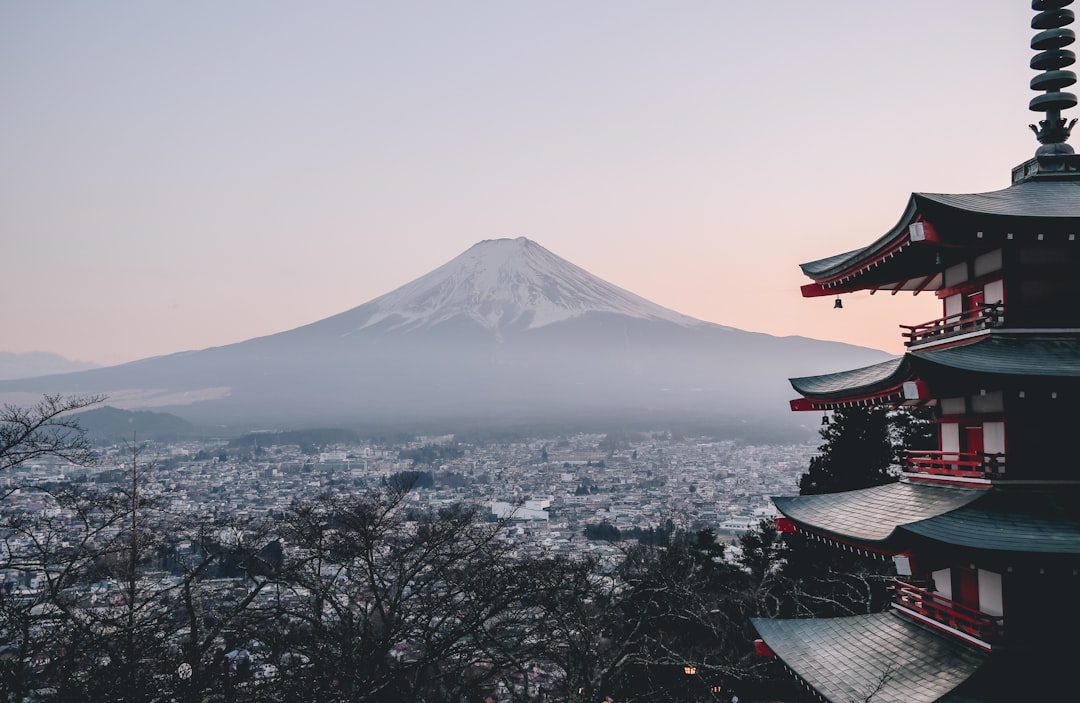

Photo by Manuel Cosentino on Unsplash
Why Japanese Etiquette Matters More Than Ever in 2026
If you’re planning a trip to Japan in 2026, understanding Japanese etiquette isn’t just a nice-to-have — it’s an essential part of being a respectful and welcome visitor. Japan has seen a massive surge in international tourism in recent years, and with that surge has come renewed emphasis from local communities and the Japanese government on encouraging travelers to follow social norms. From the quiet streets of Kyoto’s Gion district to the bustling corridors of Tokyo Station, knowing how to behave will not only keep you out of awkward situations but will genuinely enrich your travel experience. This comprehensive guide covers everything you need to know about Japanese etiquette in 2026, so you can travel with confidence and cultural sensitivity.
Before You Arrive: Entry, Visas, and Preparation
As of 2026, Japan has fully normalized its entry procedures following post-pandemic transitions. Most visitors from major Western countries, including the United States, United Kingdom, Canada, Australia, and EU nations, can enter Japan visa-free for short stays of up to 90 days under tourist status. However, Japan’s Visit Japan Web system remains the recommended pre-registration platform for immigration and customs procedures, helping to speed up your arrival process. Always check the official Japan Tourism Agency or your country’s embassy website for the most current visa requirements before traveling, as policies can shift.
Being prepared and organized at customs is itself a form of etiquette. Have your documents ready, speak politely to immigration officers, and be patient in queues. Japan’s entry points are efficient, but respectful behavior sets the right tone from your very first moment on Japanese soil.
The Golden Rules of Japanese Social Etiquette
Bowing: Japan’s Universal Greeting
Bowing is the cornerstone of Japanese social interaction. Unlike a handshake in Western cultures, a bow conveys respect, gratitude, apology, and greeting all at once. As a traveler, you don’t need to master the precise angles used in formal Japanese business settings, but a simple, sincere nod or slight bow goes a long way. A 15-degree bow is appropriate for casual greetings, while a deeper 30-degree bow shows greater respect. Never rush a bow, and if someone bows to you, return the gesture. Don’t worry about being perfect — Japanese people genuinely appreciate the effort foreigners make to engage with their customs.
Remove Your Shoes
One of the most important and practical rules in Japan is removing your shoes when entering certain spaces. Traditional ryokan (Japanese inns), many restaurants with tatami seating, temples, and private homes all require you to take off your footwear at the entrance, known as the genkan. Look for a step up from the entrance floor and a row of slippers as your cue. Wear clean socks every day — this is not just a hygiene consideration but a social one. Some toilet areas inside buildings also have separate slippers designated for bathroom use only; always swap back to the regular slippers when you leave.
Indoor Voice and Public Silence
Japan is famously a culture that values quietude in public spaces. On trains, buses, and in many public areas, speaking loudly or making excessive noise is considered disrespectful. Phone calls on public transit are a particular taboo — you’ll notice signs on trains requesting passengers to set phones to silent and refrain from talking on them. Keep your voice low, avoid playing music or videos without headphones, and be mindful of the serene atmosphere many Japanese public spaces maintain. This applies doubly in sacred sites like shrines and temples.
Dining Etiquette: Eating and Drinking Like a Local
Chopstick Rules You Must Know
Chopstick etiquette in Japan comes with a set of firm rules rooted in tradition and respect. Never stick your chopsticks vertically into a bowl of rice — this mimics a funeral ritual and is deeply offensive. Similarly, never pass food directly from your chopsticks to someone else’s, as this also echoes a funeral custom. Use the serving end of chopsticks (or provided serving utensils) when taking food from shared dishes. If you’re not confident with chopsticks, it’s perfectly acceptable to ask for a fork at most restaurants catering to tourists in 2026.
Paying the Bill
In Japan, it is standard practice to pay at the register rather than leaving money on the table. Tipping is not customary in Japan — and in fact, offering a tip can sometimes cause confusion or even mild offense, as exceptional service is considered a baseline standard rather than something deserving of extra payment. When handing over money, use both hands or place it on the small tray provided at the counter. This small gesture of using both hands signals respect and is appreciated across many transaction types.
Eating and Drinking While Walking
While convenience store onigiri and street food from festival stalls are perfectly acceptable to enjoy on the spot, walking and eating simultaneously is still generally frowned upon in many parts of Japan, particularly in traditional neighborhoods. As of 2026, some popular tourist areas like Nishiki Market in Kyoto and Nakamise Street in Asakusa, Tokyo, have implemented or reinforced no-eating-while-walking guidelines in response to overtourism concerns. Always check local signage and be mindful of where you consume food and drinks.
Navigating Public Transport with Grace
Train and Subway Etiquette
Japan’s train network is one of the most efficient in the world, and maintaining its smooth operation is a community effort. Queue in designated areas on the platform and allow passengers to exit before boarding. Priority seats (usually marked in a different color) are reserved for elderly passengers, pregnant women, people with disabilities, and those with small children — vacate them without hesitation if needed. Eating on long-distance shinkansen (bullet trains) is acceptable, but avoid strong-smelling foods out of consideration for fellow passengers.
IC Cards in 2026: Suica and Pasmo Updates
Using an IC card like Suica or Pasmo makes navigating Japan’s transit system seamless. As of 2026, foreign visitors can load Suica onto Apple Wallet and Google Pay using international cards, following expanded compatibility rollouts that began in previous years. Physical Suica cards remain available at major stations. These cards are accepted not just on trains and buses but also at convenience stores, vending machines, and many restaurants. Always ensure your card has sufficient balance before tapping through the gate to avoid holding up fellow commuters — a small but significant act of consideration.
Visiting Temples, Shrines, and Sacred Spaces
Japan’s thousands of temples and shrines are active places of worship as well as tourist attractions. Approach them with appropriate reverence. At Shinto shrines, use the temizuya (purification fountain) to rinse your hands before proceeding — scoop water with the ladle provided, rinse the left hand, then the right, then cup your hand to rinse your mouth, and finally hold the ladle upright to let water rinse the handle. At Buddhist temples, follow posted instructions and observe what other visitors are doing.
Dress modestly when visiting sacred sites. While formal attire is not required, overly revealing clothing is inappropriate. Some sites may provide wraps or shawls for visitors who need them. Photography rules vary widely — always look for signs and ask permission before photographing monks, priests, or religious ceremonies. Many sacred inner areas are off-limits to cameras entirely.
Shopping Etiquette and Tax-Free Shopping in 2026
Shopping in Japan is a pleasure in itself, and store staff are renowned for their hospitality. When you enter a shop, you’ll often be greeted with irasshaimase — a welcome phrase that doesn’t require a verbal response; a simple smile or nod is fine. Don’t rush staff or touch displayed items carelessly. Handle merchandise with care and return items to their original position if you decide not to purchase.
As of 2026, Japan’s consumption tax stands at 10%. Tax-free shopping is available to foreign tourists purchasing qualifying goods over a minimum spend threshold — typically ¥5,000 in a single transaction at registered tax-free shops. You’ll need to present your passport and may need to complete paperwork. Note that tax-free items are sealed and intended for export — consuming or opening them before leaving Japan is technically against the rules. Always check the latest tax-free guidelines at the time of your visit, as procedures and thresholds can be updated.
Onsen (Hot Spring) Etiquette: A Must-Know
Visiting an onsen is one of Japan’s most beloved experiences, and following proper etiquette is absolutely non-negotiable. Before entering the communal bath, shower thoroughly at the individual wash stations provided. Never enter the onsen water with soap on your body. Tattoos remain a complex issue at many traditional onsen facilities in 2026 — while some establishments have relaxed their policies, many still prohibit tattooed guests in communal baths. Private baths (kashikiri onsen) are an excellent alternative if this applies to you. Keep your small towel out of the bath water, and maintain a calm, quiet atmosphere throughout.
Photography and Privacy Etiquette
Japan’s relationship with photography has evolved considerably. As of 2026, several popular tourist locations — including parts of Kyoto’s Gion district — have strict no-photography zones, particularly on private alleyways where geiko and maiko have been repeatedly harassed by tourists with cameras. Fines may apply in some areas. Always look for posted signs, and never photograph people without their consent. Pointing cameras at strangers, particularly in traditional dress, without asking is considered rude and invasive.
Garbage and Cleanliness: Carry Your Trash
You’ll quickly notice something remarkable about Japan: it is exceptionally clean despite having very few public trash cans. The expectation is that you carry your garbage with you until you find an appropriate disposal point — typically at convenience stores, which have designated bins. Never litter, and don’t leave trash on park benches or temple grounds. This culture of personal responsibility for cleanliness is one of Japan’s most admirable social contracts, and participating in it as a visitor is a genuine mark of respect.
Final Thoughts: Etiquette as the Gateway to Authentic Japan
Following Japanese etiquette in 2026 isn’t about rigid rule-following — it’s about approaching a remarkable culture with humility, curiosity, and genuine respect. Japanese people are extraordinarily welcoming to travelers who make an effort, and even an imperfect attempt at proper etiquette will be met with warmth and appreciation. The rewards of respectful travel in Japan are immeasurable: deeper connections, more authentic experiences, and the quiet satisfaction of being a traveler who leaves a positive impression. Pack these guidelines alongside your yen and your JR Pass, and your journey through Japan will be all the richer for it.