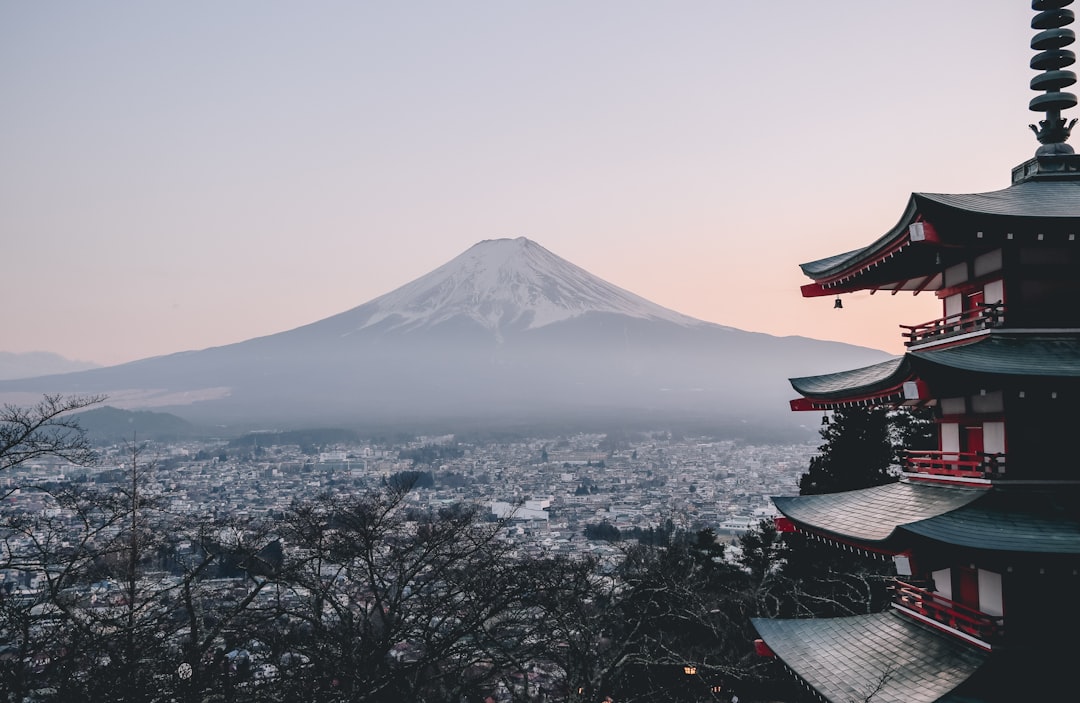

Photo by Manuel Cosentino on Unsplash
Why Japanese Etiquette Matters More Than Ever in 2026
Japan welcomed a record number of international visitors in 2025, and as tourism continues to surge into 2026, the importance of understanding and respecting Japanese etiquette has never been greater. Whether you’re bowing for the first time at a ryokan, navigating the silent subway cars of Tokyo, or removing your shoes at a temple entrance, small gestures of cultural awareness can transform your trip from a standard sightseeing tour into a deeply meaningful exchange. This comprehensive guide covers everything travelers need to know about Japanese manners, customs, and unwritten rules — so you can explore Japan with confidence, respect, and grace in 2026.
The Foundation: Understanding Japanese Social Values
Before diving into specific rules, it helps to understand the cultural values that underpin Japanese etiquette. Japanese society places enormous importance on harmony (wa, 和), consideration for others, cleanliness, and not causing inconvenience to those around you — a concept known as meiwaku. When in doubt, ask yourself: “Am I being loud, messy, or disruptive?” If the answer is yes, dial it back. With that framework in mind, let’s explore the specific situations you’ll encounter.
Greetings and Bowing
The bow is the cornerstone of Japanese greeting culture, and even as a foreign visitor, making an effort to bow will earn you immediate goodwill. Here’s what you need to know:
- A slight nod (5–15 degrees) is appropriate for casual greetings and thanking a shopkeeper.
- A 30-degree bow is used in more formal situations, such as greeting a hotel manager or business contact.
- A 45-degree or deeper bow signals deep respect or sincere apology — you won’t need this often as a tourist.
- When a Japanese person bows to you, it’s polite to bow back. Don’t worry about getting the angle perfect — the effort is what matters.
- Avoid extending your hand for a handshake unless the other person initiates it, especially with older generations.
As a foreigner, you won’t be expected to perform bows with the precision of a native, but even a small, sincere head nod shows that you’ve made the effort to learn.
Shoes: When, Where, and How to Remove Them
One of the most practically important etiquette rules in Japan involves footwear. Removing your shoes is required in many spaces, and wearing the wrong footwear — or forgetting to remove it — is considered quite rude.
- Homes: Always remove shoes at the genkan (entryway). Place them neatly, facing outward.
- Traditional ryokan and restaurants: Shoes off at the entrance. Slippers will often be provided.
- Tatami rooms: Never wear slippers on tatami mats — remove them before entering.
- Toilet slippers: Many traditional establishments have separate slippers for the toilet room. Always change back when you leave — forgetting is a very common (and very embarrassing) mistake.
- Temples and shrines: Some inner sanctuaries require shoe removal; look for signs or follow what others do.
Pro tip for 2026 travelers: Wear shoes that slip on and off easily, and make sure your socks are clean and hole-free. You’ll be grateful for this advice on day one.
Dining Etiquette: Eating and Drinking the Right Way
Japanese food culture is rich, ceremonious, and full of nuance. Whether you’re eating ramen at a counter restaurant, enjoying kaiseki at a Kyoto inn, or grabbing convenience store onigiri on the go, these rules apply.
Chopstick Rules
- Never stick chopsticks vertically into a bowl of rice — this resembles funeral offerings and is considered very bad luck.
- Never pass food directly from chopstick to chopstick — again, a funeral custom.
- Don’t point at people or wave chopsticks around.
- When taking food from a shared dish, use the clean (unused) end of your chopsticks or use the serving utensils provided.
- Rest chopsticks on the chopstick holder (hashioki) when not in use.
At the Table
- Say itadakimasu before eating (it means something like “I humbly receive”) and gochisosama deshita after finishing your meal as thanks.
- Slurping noodles is not only acceptable — it’s a sign of enjoyment. Go for it.
- Pouring drinks for others before yourself is good form. Never let a companion’s glass go empty.
- It’s considered rude to eat or drink while walking in most situations. Find a designated eating area or sit down.
- Tipping is not practiced in Japan in 2026. Leaving money on the table or handing it to a server can cause confusion or even offense — excellent service is a standard expectation, not something that requires an extra reward.
Paying the Bill
In most restaurants, you pay at the register on your way out rather than at the table. Some traditional restaurants may bring the bill to you. Splitting bills is perfectly acceptable — Japan is increasingly cashless as of 2026, and most restaurants and shops accept IC cards, credit cards, and QR code payments, though some traditional establishments remain cash-only. Always carry some yen just in case.
Public Transport Etiquette
Japan’s public transit system is world-class, and it works so smoothly in part because passengers follow strict unwritten rules. Violating these norms will mark you as an inconsiderate tourist very quickly.
- Stay quiet: Phone calls on trains are frowned upon. Keep conversations low. Many trains even display “Please set your phone to manner mode” signs.
- Priority seats: Seats designated for elderly, pregnant, or disabled passengers should be vacated if someone in need boards. If the train is quiet, it’s acceptable to sit in them, but be observant.
- Queuing: Stand in the marked lines on the platform. Board in order. Never push.
- Eating and drinking: Not acceptable on most urban trains and subways, though Shinkansen (bullet train) travel is an exception — eating a ekiben (station bento) is part of the experience.
- Backpacks: Remove large backpacks and hold them in front of you or place them in the overhead rack so you don’t bump into other passengers.
- IC cards in 2026: Suica and Pasmo IC cards remain the easiest way to navigate transit. As of 2026, you can load Suica directly onto compatible foreign smartphones via Apple Wallet and Google Wallet — a major convenience upgrade. Physical cards are also available at major stations. Check the official Suica and Pasmo websites for the latest compatibility information.
Visiting Temples and Shrines
Japan’s thousands of Shinto shrines and Buddhist temples are among its greatest cultural treasures — and among the most important places to demonstrate respectful behavior.
At a Shinto Shrine
- Pass through the torii gate with a slight bow to signal you’re entering a sacred space.
- Walk to the side of the path — the center is considered the path of the gods.
- At the temizuya (purification fountain), rinse your hands: left hand first, then right hand, then rinse your mouth (optional), then rinse the ladle handle.
- At the main hall, toss a coin into the offering box, bow twice deeply, clap twice, pray silently, then bow once more. This is the standard two-bow, two-clap, one-bow (nirei nihakushu ichirei) practice.
At a Buddhist Temple
- Incense burners are common — waft the smoke toward you as it’s believed to have healing properties.
- Photography rules vary widely; always look for signs or ask before photographing religious objects or ceremonies.
- Speak softly and dress modestly — shoulders and knees covered is a safe standard.
Onsen (Hot Spring) Etiquette
Experiencing an onsen is a quintessential Japan travel moment, but it comes with firm rules that must be followed.
- Wash thoroughly before entering the communal bath. Use the shower stations provided and clean your entire body before getting into the water.
- No swimwear in traditional onsen — bathers enter without clothing.
- Keep the small towel out of the water — fold it and place it on your head or the side of the bath.
- Tattoo policies: Many traditional onsen still prohibit visible tattoos as of 2026, though a growing number have relaxed their rules or offer private bath bookings for tattooed visitors. Research in advance if this applies to you.
- Don’t splash, swim, or behave boisterously — the onsen is a place of quiet relaxation.
Shopping Etiquette and Tax-Free Shopping in 2026
Shopping in Japan is a pleasure — service is impeccable, products are beautifully presented, and stores are meticulously organized. Keep these manners in mind:
- When paying, place money on the tray provided at the counter rather than directly into the cashier’s hand.
- Wait for the cashier to finish packaging your purchase before gathering your belongings and leaving.
- Handling merchandise carefully is expected — don’t pick up items unless you intend to examine them, and handle them gently.
- Tax-Free Shopping in 2026: Japan’s consumption tax is 10% on most goods. As a foreign visitor, you may be eligible for tax-free purchases at participating retailers if you spend above the minimum threshold (generally ¥5,000 per store visit). Present your passport at the register. Note that the tax-free process and participating store lists can change — check the Japan Tourism Agency’s official website for the most current rules as of 2026.
General Street and Public Space Manners
- Don’t litter. Public trash cans are rare in Japan — carry a small bag for your rubbish and dispose of it at your accommodation or a convenience store.
- Keep to the left on escalators in most cities (though Osaka traditionally keeps right — this has been evolving, so follow the crowd).
- Don’t smoke in non-designated areas. Japan has strict outdoor smoking zones, and smoking on the street is often prohibited and fined.
- Avoid speaking loudly on your phone or in public spaces, especially residential neighborhoods.
- Photography: Be mindful when photographing locals — always ask permission, especially in rural communities and traditional neighborhoods like Kyoto’s Gion district, where anti-photography rules for locals have been formally introduced in recent years.
Language Tips That Show Respect
You don’t need to be fluent in Japanese to show cultural respect — a few key phrases go a very long way:
- Sumimasen — Excuse me / I’m sorry (use this constantly)
- Arigatou gozaimasu — Thank you (formal)
- Onegaishimasu — Please
- Itadakimasu — Said before eating
- Gochisosama deshita — Said after a meal
- Eigo ga hanasemasu ka? — Do you speak English?
Even stumbling through these phrases with a smile will generate enormous goodwill. Japanese people deeply appreciate when visitors make any effort to communicate in their language.
Final Thoughts: Be a Mindful Visitor in 2026
Japan is a country that rewards curious, respectful travelers in countless ways. The etiquette rules described in this guide aren’t arbitrary restrictions — they’re expressions of a rich, deeply considered culture that values harmony, cleanliness, and consideration for others. By embracing these customs, even imperfectly, you signal that you’re not just a tourist passing through but a genuine admirer of Japanese culture. Bring these habits with you in 2026, and Japan will open up to you in ways that no guidebook alone can fully capture. Itterasshai — have a wonderful journey.