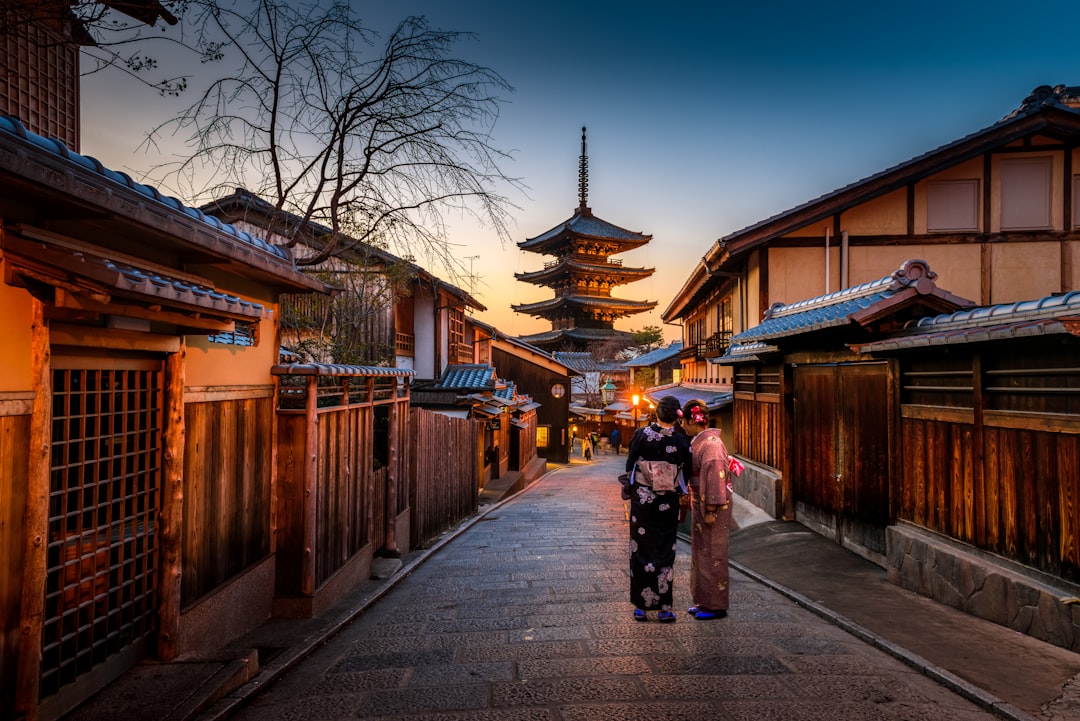

Photo by Sorasak on Unsplash
Why Japanese Etiquette Matters More Than Ever in 2026
Japan continues to welcome record numbers of international visitors in 2026, and with that surge in tourism comes an increasingly important responsibility: understanding and respecting Japanese customs and etiquette. Whether you are visiting for the first time or returning for another adventure, knowing how to behave respectfully will not only enrich your experience but also help preserve the harmony that makes Japan so uniquely wonderful. This comprehensive guide covers everything you need to know about Japanese etiquette for travelers in 2026, from temple visits and dining rituals to train manners and onsen rules.
First Impressions: Greetings and Body Language
In Japan, the bow is the cornerstone of social interaction. Unlike a handshake in Western cultures, the bow communicates respect, gratitude, and acknowledgment all at once. As a foreign traveler, you are not expected to perfect the formal bow, but a gentle nod or a slight inclination of the head goes a long way in showing cultural awareness.
- Casual bow (15 degrees): Used for everyday greetings and thank-yous.
- Respectful bow (30 degrees): Appropriate when meeting someone for the first time or in formal settings.
- Deep bow (45 degrees): Reserved for very formal occasions or sincere apologies.
Avoid initiating hugs or handshakes unless the Japanese person extends their hand first. Personal space is highly valued, and physical contact between strangers is generally uncommon. Maintaining a calm, quiet demeanor in public spaces is also deeply appreciated.
Removing Your Shoes: A Non-Negotiable Custom
One of the most important etiquette rules in Japan is removing your shoes when entering certain spaces. This practice dates back centuries and remains strictly observed in 2026. You will need to remove your shoes when entering:
- Traditional Japanese homes and ryokan (inns)
- Many temples and shrines
- Some traditional restaurants with tatami seating
- Changing rooms and some museum areas
A clear indicator that shoes must be removed is the presence of a genkan (entryway) with a step up into the main area and a rack of slippers or shoes already placed there. Always point your shoes toward the door when you remove them — it is considered polite to do so. Bring clean, hole-free socks when traveling in Japan; walking around in just socks or bare feet in these spaces is perfectly acceptable and expected.
Dining Etiquette: From Chopsticks to Izakayas
Japanese dining culture is rich with customs that can feel overwhelming at first. Mastering even a few key rules will earn you enormous respect from your hosts and fellow diners.
Chopstick Rules
Chopstick etiquette is taken seriously in Japan. Avoid these major faux pas:
- Never stick chopsticks vertically into rice. This resembles a funeral ritual and is considered deeply offensive.
- Never pass food from chopstick to chopstick. This also mimics a funeral custom.
- Do not point or wave chopsticks at people or food.
- Use the reverse end of your chopsticks to take food from shared dishes — though many restaurants now provide serving utensils as of 2026.
Before and After Meals
Always say itadakimasu (いただきます) before eating — it is an expression of gratitude for the meal. After finishing, say gochisosama deshita (ごちそうさまでした) to express thanks. These simple phrases will delight restaurant staff and locals alike.
Paying at Restaurants
As of 2026, Japan continues its gradual shift toward cashless payment, and many restaurants now accept IC cards such as Suica or Pasmo, as well as major credit cards. However, some smaller traditional eateries remain cash-only, so always carry some yen. Tipping is not practiced in Japan — it can actually cause confusion or even offend. Simply say thank you and let your appreciation show through your words.
Train and Public Transport Manners
Japan’s train system is world-renowned for its punctuality and cleanliness — and Japanese commuters work hard to keep it that way. Here are the essential rules for riding trains respectfully in 2026:
- Speak quietly or not at all. Phone calls on trains are considered rude. Keep your phone on silent.
- Priority seating is for those who need it. Elderly passengers, pregnant women, people with disabilities, and those with small children have priority. Vacate these seats without hesitation.
- Form an orderly queue. Yellow lines on train platforms mark where to stand. Let passengers exit before boarding.
- Keep your backpack in front of you or in the overhead rack during rush hour to avoid bumping into others.
- Eating and drinking on local trains is frowned upon, though it is generally acceptable on long-distance Shinkansen services.
Regarding IC cards in 2026: Suica and Pasmo remain the most convenient ways to travel on public transport across Japan. As of the latest updates, international travelers can load Suica onto Apple Wallet and select Android devices, and foreign-issued Visa and Mastercard contactless cards are now accepted at an increasing number of station gates in major cities. Always check the latest compatibility information before your trip, as rollouts continue to expand throughout 2026.
Visiting Temples and Shrines
Japan’s thousands of temples and shrines are among the country’s most visited attractions, and they are living, breathing places of worship — not just photo opportunities. Showing respect is essential.
At Shinto Shrines
- Purify your hands at the temizuya (water basin) before approaching the main hall.
- Walk to the side of the central path (sandō), as the center is traditionally reserved for deities.
- When making an offering: bow twice, clap twice, pray silently, then bow once more.
- Do not touch torii gates or sacred objects.
At Buddhist Temples
- Dress modestly — cover shoulders and knees where required.
- Follow posted signs regarding photography. Many inner sanctuaries prohibit photos entirely.
- Speak softly and move calmly through the grounds.
- If incense is burning, you may waft the smoke toward yourself — it is believed to have healing properties.
Onsen (Hot Spring) Etiquette
Visiting an onsen is a quintessential Japanese experience, and following the rules is absolutely mandatory. In 2026, most onsen facilities still require guests to be untattooed, though a growing number of tourist-friendly facilities now welcome tattooed visitors or offer private baths. Always confirm policies before booking.
- Wash your entire body thoroughly at the shower stations before entering the communal bath.
- Do not bring your towel into the water. Place it on your head or leave it at the side.
- No swimming or splashing. The onsen is a place of quiet relaxation.
- Tie back long hair so it does not touch the water.
- Do not bring food, drinks, or phones into the bathing area.
- Most onsen are gender-segregated. Respect the signs and designated areas.
Shopping and Money Etiquette
Japan’s shopping culture has its own set of unspoken rules. In 2026, the consumption tax rate remains at 10%, and tax-free shopping for tourists is available at designated stores for purchases over ¥5,000 (tax-exclusive) in certain categories. Look for the tax-free sign and present your passport at the time of purchase.
- Do not pass money directly hand-to-hand. Use the small tray (okane no torei) provided at most counters.
- Do not eat while walking in shopping streets or stores. Find a designated eating area.
- Bargaining is not practiced in Japanese shops. Prices are fixed.
- Wait patiently in line and do not rush or interrupt staff who are serving other customers.
Photography and Privacy
As overtourism concerns have grown in 2026, several popular destinations — including areas of Kyoto’s Gion district — have introduced stricter photography rules and even access restrictions. Always obey posted signs. Never photograph people without their permission, especially geiko (geisha) and maiko, who are working professionals deserving of privacy and respect.
General Etiquette Tips for Daily Life
- Keep noise levels low in residential neighborhoods, especially early morning and late evening.
- Dispose of trash properly. Public bins are rare in Japan. Carry a small bag for your waste.
- Do not eat or drink while walking, except in designated festival or market areas.
- Smoking is only permitted in designated smoking areas. Japan has strict anti-smoking laws in public spaces as of 2026.
- Jaywalking is frowned upon. Wait for pedestrian signals even when roads appear clear.
- Queue for everything. Orderly lines are a point of national pride in Japan.
A Final Word: Effort Goes a Long Way
Japanese people are extraordinarily gracious hosts, and they understand that foreign visitors may not know every local custom. What matters most is your genuine effort to be respectful and considerate. Learn a few words of Japanese — arigatou gozaimasu (thank you), sumimasen (excuse me), and onegaishimasu (please) — and you will find that doors open, smiles appear, and your experience in Japan deepens immeasurably. Travel respectfully in 2026, and Japan will reward you with memories that last a lifetime.