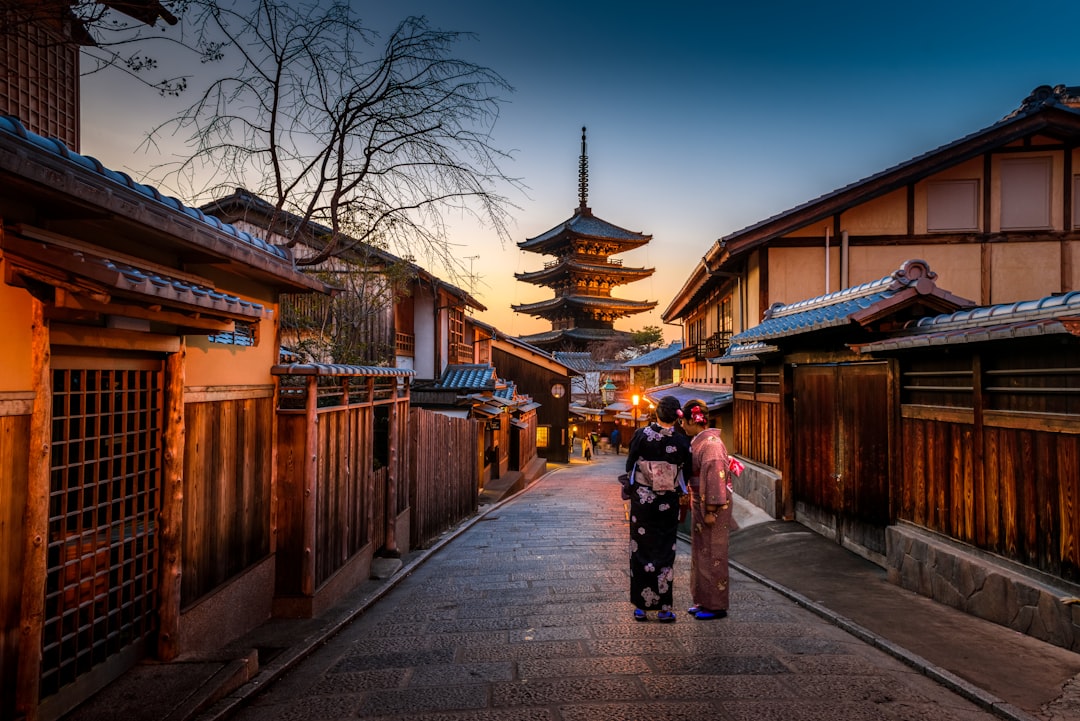

Photo by Sorasak on Unsplash
Planning a trip to Japan in 2026? Beyond booking your JR Pass and figuring out IC card compatibility, understanding Japanese etiquette is essential for a smooth, respectful, and enjoyable journey. Japan is a country where unspoken social rules run deep, and while locals are generally forgiving of foreign visitors, making the effort to follow basic etiquette will earn you smiles, better service, and genuine goodwill. This comprehensive guide covers everything from bowing to bathhouse rules, updated for 2026 travelers.
Why Etiquette Matters So Much in Japan
Japanese society places enormous value on harmony (wa), consideration for others, and not causing inconvenience (meiwaku). These principles shape nearly every social interaction, from how you eat noodles to how you exchange business cards. As a tourist, you’re not expected to be perfect, but understanding the basics shows respect for the culture and can prevent awkward or embarrassing situations.
Greetings and Bowing
The bow (ojigi) is the traditional greeting in Japan, though handshakes are increasingly common in business settings with foreigners. As a tourist, a slight nod of the head is usually sufficient when greeting shopkeepers, hotel staff, or new acquaintances. You don’t need to master the different depths of bowing used in formal Japanese business culture—a polite nod paired with “konnichiwa” (hello) or “arigatou gozaimasu” (thank you) goes a long way.
Key Points on Greetings
- Avoid overly enthusiastic hugging or cheek-kissing; physical contact is not the norm
- Direct eye contact is fine but prolonged staring can feel confrontational
- Exchanging business cards (meishi) with both hands is important in professional contexts
Shoes: When and Where to Remove Them
One of the most important etiquette rules involves footwear. You must remove your shoes when entering:
- Traditional ryokan (inns) and many hotels’ tatami rooms
- Someone’s private home
- Certain restaurants with tatami seating
- Temples and shrines with indoor areas
- Fitting rooms in some clothing stores
Look for a genkan (entryway) with a step up and shoe racks or slippers—this is your cue to remove your shoes. Wear presentable socks without holes, as you’ll be showing them often! Many facilities provide slippers, but remember to switch to separate toilet slippers when using the bathroom, then switch back afterward.
Dining Etiquette
Japanese dining customs are rich with subtle rules that enhance the experience for everyone.
Chopstick Rules
- Never stick chopsticks upright in a bowl of rice (this resembles funeral rituals)
- Don’t pass food directly from your chopsticks to someone else’s (also funeral-related)
- Avoid pointing or gesturing with chopsticks
- Rest chopsticks on the provided holder (hashioki) when not in use
General Dining Manners
- Slurping noodles (ramen, soba, udon) is acceptable and even shows appreciation
- Say “itadakimasu” before eating and “gochisousama deshita” after finishing
- Tipping is not customary in Japan and can even cause confusion—excellent service is simply the standard
- Eating while walking is generally frowned upon, especially in busy areas
- Pour drinks for others rather than yourself when dining in groups
Public Transportation Etiquette
As of 2026, IC cards like Suica and Pasmo remain the easiest way to navigate trains and buses. Many international travelers can now use their smartphones’ mobile wallets (Apple Pay/Google Pay) to set up virtual Suica or Pasmo cards directly, though it’s still wise to check current compatibility for your specific phone model and region before departure, as policies continue to evolve. For longer intercity travel, the JR Pass remains a popular option, though pricing has been higher since the October 2023 revision—as of 2026, a 7-day ordinary JR Pass costs around 50,000 yen, so calculate whether it’s cost-effective for your itinerary using official JR websites.
Train and Bus Manners
- Keep phone conversations to a minimum or step between cars if you must talk
- Set phones to silent mode (manner mode)
- Avoid eating on regular commuter trains (though it’s fine on long-distance shinkansen)
- Queue in orderly lines marked on platforms—never push to board
- Give up priority seats for elderly, pregnant, or disabled passengers
- Keep voices low; loud conversations are considered disruptive
Onsen and Public Bath Etiquette
Japan’s hot spring culture (onsen) has strict but simple rules:
- Wash and rinse thoroughly at the shower stations before entering the communal bath
- Never bring soap or shampoo into the bath water itself
- Tattoos may still be restricted at many traditional onsens, though this is slowly changing—check ahead or look for tattoo-friendly establishments
- Small towels should not enter the water; place them on your head or beside the bath
- Most onsens require complete nudity; swimwear is not permitted in traditional baths
Temple and Shrine Etiquette
Religious sites deserve extra respect and mindfulness:
- Bow slightly before passing through torii gates at shrines
- Use the purification fountain (temizuya) to cleanse your hands and mouth before entering
- Keep voices low and avoid disruptive behavior
- Photography may be restricted in certain areas—look for signage
- Dress modestly, avoiding overly casual beachwear
Shopping and Tax-Free Purchases
Japan’s consumption tax remains at 10% as of 2026, and tax-free shopping is available for tourists at many stores displaying “Tax-Free” signage. To qualify, you typically need to spend a minimum amount (often around 5,000 yen) at a single store and present your passport at checkout. Keep your tax-free receipts and purchased items accessible, as customs may check them upon departure. Note that consumables (food, cosmetics) must remain sealed until you leave Japan.
Shopping Etiquette
- Handle merchandise gently and ask before trying on items
- Use the small tray provided for handing over cash or cards rather than placing money directly in the cashier’s hand
- Bargaining is not customary in most retail settings
Visiting Someone’s Home
If you’re lucky enough to be invited to a Japanese home, bring a small gift (temiyage) such as sweets or regional specialties from your home country. Remove your shoes at the entrance, and wait to be shown where to sit—there’s often a designated “guest of honor” position.
Communication Style
Japanese communication tends to be indirect and high-context. Direct refusals are rare; instead, you might hear phrases like “it’s a bit difficult” (chotto muzukashii) which actually means “no.” Learning to read between the lines and avoiding overly blunt statements will help you navigate social and business interactions more smoothly.
Entry Requirements and Practical Tips for 2026
Before diving into cultural etiquette, ensure your practical travel documents are in order. As of 2026, visa requirements vary by nationality—many travelers from the US, EU, Australia, and other countries can still enter Japan visa-free for short tourist stays, but always verify current requirements through the official Japanese embassy or consulate website for your country, as policies can change. Additionally, Japan’s entry system continues to utilize the Visit Japan Web platform for streamlined immigration, customs, and quarantine procedures—registering in advance can save significant time at the airport.
Final Thoughts
Mastering every nuance of Japanese etiquette isn’t necessary for a wonderful trip—locals appreciate genuine effort and understand you’re a visitor. However, familiarizing yourself with these fundamental customs will help you navigate Japan with confidence, avoid unintentional offense, and create deeper, more meaningful connections during your 2026 journey. When in doubt, observe those around you, ask politely, or simply smile—kindness and respect translate across any cultural barrier.