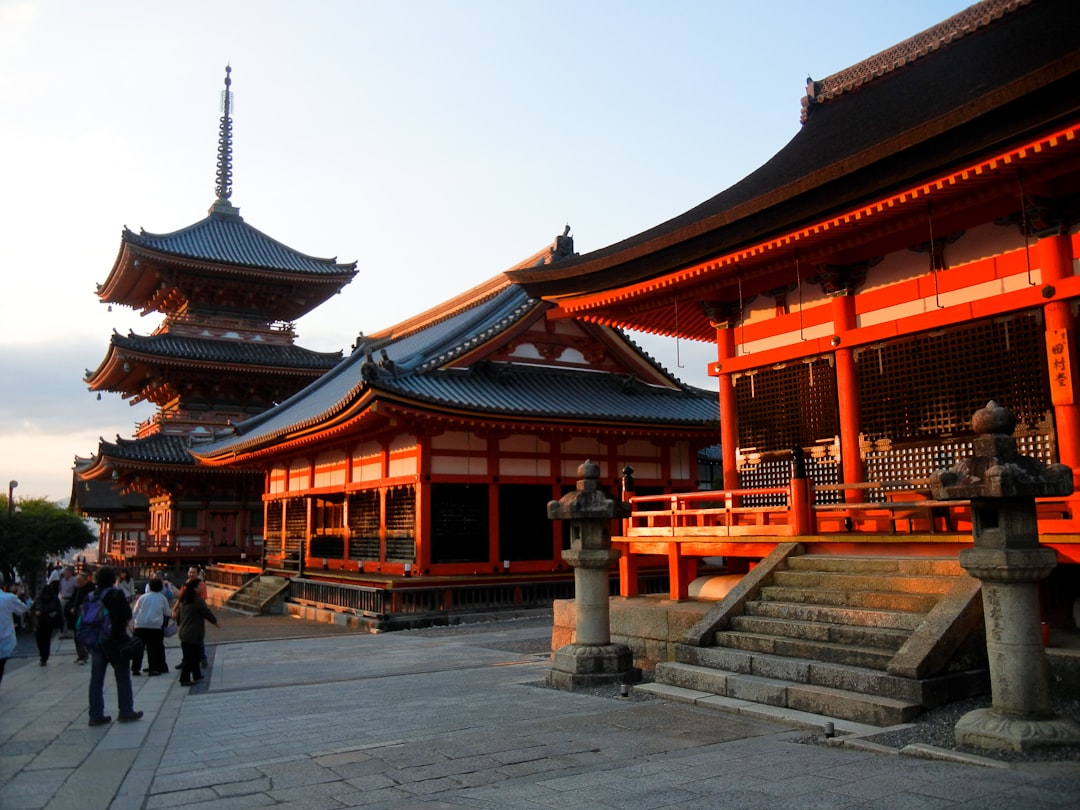

Photo by Griffin Quinn on Unsplash
Why Japanese Etiquette Matters More Than Ever in 2026
Japan continues to welcome record numbers of international visitors in 2026, and with that surge in tourism comes an increased responsibility for travelers to understand and respect local customs. Japanese etiquette is not simply a set of polite suggestions — it is a deeply rooted cultural framework that shapes everyday life, from how people greet one another to how they behave on public transport. Whether you are visiting for the first time or returning for another adventure, mastering Japanese etiquette in 2026 will not only help you avoid awkward situations but will also earn you genuine respect and warmth from the locals you meet along the way.
Greetings and Basic Social Interactions
The bow is the cornerstone of Japanese greeting culture. Unlike a handshake, bowing communicates a wide range of emotions — gratitude, apology, respect, and acknowledgment — all depending on depth and duration. As a traveler, you are not expected to bow perfectly, but making the gesture will be enormously appreciated.
- A slight nod (5–10 degrees) is appropriate for casual greetings and acknowledgments in shops or restaurants.
- A 30-degree bow shows genuine respect and is suitable when thanking someone who has gone out of their way to help you.
- A 45-degree or deeper bow is reserved for formal situations or sincere apologies.
Handshakes are becoming more common in business contexts, especially in tourist-heavy areas, but always follow the Japanese person’s lead. Avoid physical contact like hugging or backslapping, which can feel intrusive in Japanese culture. When exchanging business cards — called meishi — receive them with both hands, take a moment to read the card, and never write on it or shove it in your pocket.
Removing Your Shoes: A Non-Negotiable Rule
One of the most important etiquette rules you will encounter in Japan is the removal of shoes before entering certain spaces. This applies to traditional Japanese homes, many ryokan (traditional inns), some restaurants with tatami seating, and certain temples and shrines. Look for a raised floor area called a genkan — this is your cue to remove your footwear. Wear clean socks at all times, as you will frequently be asked to slip off your shoes without warning.
In 2026, many tourist-friendly establishments now post clear signage in English, Korean, and Chinese indicating when shoes must be removed, but it is best to stay vigilant. When you remove your shoes, turn them so the toes face the door, making it easier to slip back into them when leaving — this small detail shows real cultural awareness.
Dining Etiquette: From Ramen Shops to Kaiseki Restaurants
Japanese dining etiquette is rich with tradition, and getting it right will dramatically enhance your culinary experience. Here are the essential rules every traveler should know:
Chopstick Rules
- Never stick chopsticks upright into a bowl of rice — this mimics a funeral ritual and is considered deeply inauspicious.
- Do not pass food from chopstick to chopstick, as this also mirrors a funeral practice.
- Use the opposite (clean) end of your chopsticks to take food from shared dishes, or ask for serving utensils.
- Never wave chopsticks around or point them at people.
Before and After Eating
Always say itadakimasu (“I humbly receive”) before eating and gochisousama deshita (“Thank you for the feast”) after finishing your meal. These phrases show profound gratitude toward the chef, the ingredients, and everyone involved in preparing your food. Even a mumbled attempt will be met with genuine appreciation.
Drinking Etiquette
When drinking alcohol in a group setting, wait until everyone has been served and someone initiates a toast with kanpai! It is considered polite to pour drinks for others rather than yourself. If you do not drink alcohol, simply place your hand lightly over your glass to decline — there is no need to explain yourself.
Slurping and Noise
Unlike in many Western countries, slurping noodles is perfectly acceptable in Japan — in fact, it is often seen as a compliment to the chef, signaling that you are enjoying your meal. However, talking loudly in restaurants, especially smaller ones, is frowned upon.
Public Transport Etiquette: Trains, Buses, and IC Cards
Japan’s public transport system is the envy of the world, renowned for its punctuality and cleanliness. In 2026, as of the latest updates, both Suica and Pasmo IC cards can be loaded onto foreign-issued smartphones via Apple Wallet and Google Wallet, making contactless travel easier than ever for international visitors. However, always check the official JR East and Tokyo Metro websites for the most current compatibility information, as policies continue to evolve.
Train Etiquette Rules
- Stay quiet: Phone calls are prohibited on most trains. Use silent mode and keep conversations to a minimum.
- Priority seating: The seats marked with special symbols near the doors are reserved for elderly passengers, pregnant women, people with disabilities, and those with young children. Vacate these seats without being asked.
- No eating on local trains: Eating and drinking are generally discouraged on local and commuter trains, though Shinkansen (bullet trains) are an exception — you can enjoy your ekiben (station bento box) on board.
- Queuing: Always queue in the marked lines on the platform. Boarding before passengers have alighted is considered very rude.
- Backpacks: In crowded trains, remove your backpack and hold it in front of you or place it on the overhead rack.
Temple and Shrine Etiquette
Visiting Japan’s stunning temples and shrines is a highlight for most travelers, and showing proper respect at these sacred sites is absolutely essential. Before entering a Shinto shrine, purify your hands at the temizuya (water pavilion): rinse your left hand, then right hand, then cup water in your left hand to rinse your mouth (without touching the ladle to your lips), and finally rinse the ladle.
When praying at a Shinto shrine, follow the “2-2-1” rule: bow twice, clap twice, then bow once more. At Buddhist temples, the protocol is different — press your palms together and bow silently. Photography rules vary widely across sites, so always look for signage and err on the side of caution, particularly inside temple halls and around sacred objects.
Onsen Etiquette: Bathing in Japan
Visiting a Japanese hot spring, or onsen, is one of the most memorable experiences Japan has to offer. However, strict rules govern onsen use, and ignorance of them can cause real embarrassment.
- Shower first: Always wash your body thoroughly at the shower stations before entering the communal bath. This is non-negotiable.
- No swimwear: Traditional onsen are enjoyed in the nude. Wearing swimwear in a standard onsen is considered unhygienic by Japanese standards.
- Small towel management: You may bring a small modesty towel into the bathing area, but it must not touch the water. Fold it on your head or set it aside.
- Tattoo policies: As of 2026, many onsen have begun relaxing strict tattoo bans, and a growing number now welcome tattooed guests or offer private baths. However, policies vary, so always confirm with the establishment in advance.
- Silence and calm: Onsen are spaces of relaxation. Keep voices low, avoid splashing, and do not swim in the bath.
Shopping Etiquette and Tax-Free Shopping in 2026
Shopping in Japan is a delight, and understanding both the etiquette and the financial rules will serve you well. Japan’s consumption tax currently stands at 10%, and as of 2026, tax-free shopping for tourists remains available at registered stores displaying the “Tax Free” logo. Typically, you must spend a minimum amount (often ¥5,000 to ¥10,000 depending on the product category) and present your passport to qualify. Always check current rules on the Japan Tourism Agency’s official website, as specifics can be updated annually.
When browsing in shops, avoid handling items excessively without intent to purchase. When paying, place your money or card on the small tray provided at the counter rather than handing it directly to the cashier. Bargaining is not part of Japanese retail culture — prices are fixed, and attempting to negotiate may cause embarrassment for the staff.
Garbage and Littering: A Zero-Tolerance Culture
Japan is famously clean, and a significant part of that cleanliness comes from the collective civic responsibility its residents feel. Public trash cans are rare in Japan — a legacy of terrorism-related safety measures that remains relevant today. As a traveler in 2026, you should carry a small bag for your trash and dispose of it at your accommodation, convenience store bins (for items purchased there), or designated recycling stations. Never leave trash on the street, in parks, or on public transport. This is one of the etiquette points that locals feel most strongly about.
General Etiquette Tips to Carry With You
- Speak softly in public: Loud conversations, especially on transport or in quiet neighborhoods, are considered disruptive.
- Wait patiently: Whether at a restaurant, ATM, or tourist attraction, queue respectfully and never cut in line.
- Avoid eating while walking: Strolling while eating is generally considered bad manners, except at festival stalls where it is expected.
- Learn a few Japanese phrases: Sumimasen (excuse me/sorry), arigatou gozaimasu (thank you very much), and onegaishimasu (please) will go a very long way.
- Respect quiet zones: Many tourist areas, particularly in Kyoto, now have designated quiet zones where photography and loud behavior are restricted.
Final Thoughts: Be a Respectful Guest in 2026
Japanese culture is built on a foundation of harmony, consideration, and mutual respect — values encapsulated in the concept of wa. As a visitor in 2026, embracing these values is not just about following rules; it is about genuinely honoring the people and the extraordinary country you are privileged to explore. The Japanese rarely voice displeasure directly, so do not mistake silence for approval of disrespectful behavior. Make the effort to learn, observe, and adapt, and you will find that Japan rewards respectful travelers with warmth, generosity, and unforgettable experiences that go far beyond what any guidebook can capture.