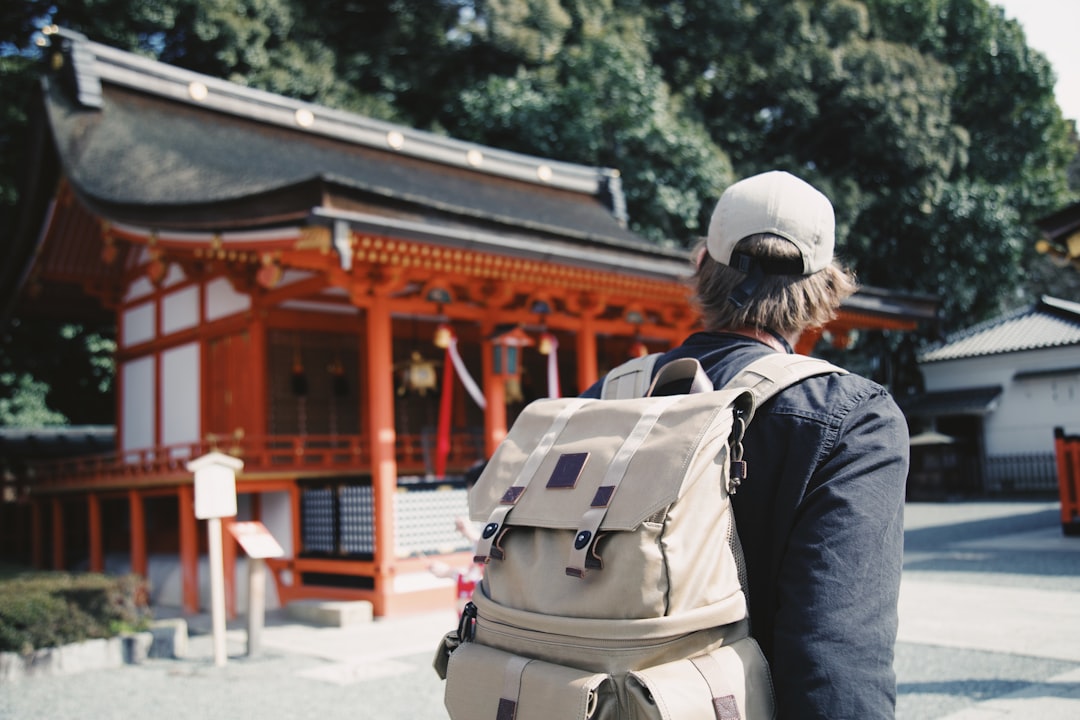

Photo by bobby hendry on Unsplash
Why Japanese Etiquette Matters More Than Ever in 2026
Japan welcomed record numbers of international visitors in 2025 and shows no signs of slowing down in 2026. With overtourism concerns prompting some municipalities to implement visitor restrictions and conduct codes, understanding Japanese etiquette for travelers has never been more important. Whether you are visiting Tokyo, Kyoto, Osaka, or the rural countryside, knowing how to behave respectfully will not only enrich your experience but also ensure you are welcomed warmly by locals. This comprehensive guide covers everything you need to know about Japanese customs and manners before you step off the plane.
Before You Arrive: Entry Etiquette and Preparation
As of 2026, Japan has maintained its Visit Japan Web system for pre-registration of immigration and customs declarations. Most nationalities still enjoy visa-free entry for short stays, though requirements have been updated — always verify current visa rules with the Japanese Embassy or official Japan Tourism Agency website before traveling, as policies can shift. Being prepared and organized at immigration is itself a form of respect for the country you are entering.
When you land, observe the quiet and orderly atmosphere immediately. Speak in hushed tones, keep your luggage tidy, and follow all queuing systems precisely. Japanese airports are meticulously organized, and disrupting that flow is considered poor form from the very first moment.
Shoes and Entryways: The Sacred Genkan
One of the most fundamental rules of Japanese etiquette is the removal of shoes at the genkan, or entryway. This applies to traditional ryokan (Japanese inns), many restaurants, some temples, and private homes. Always watch for a raised floor level or a designated shoe storage area as your cue to remove footwear.
- Remove shoes before stepping onto the raised floor, not after
- Point your shoes neatly toward the door when you take them off
- Wear clean, hole-free socks — you will be in your socks frequently
- Some traditional homes provide indoor slippers; always remove these before stepping onto tatami mat areas
- Toilet slippers are provided separately in many facilities — always swap back when leaving the bathroom
Greeting and Communication Etiquette
Japan is a culture of subtle communication, and travelers who pick up on even the basics will be deeply appreciated. The bow is the universal Japanese greeting, and while foreigners are not expected to master the complex gradations of bowing depth, a slight, sincere nod of the head goes a long way.
Key Communication Rules
- Do not shake hands unless a Japanese person initiates it — bowing is always the safer option
- Speak at a moderate volume; loud conversations in public are considered disruptive
- Business cards, if exchanged, should be received and given with both hands and a bow — never stuff a card into your pocket immediately
- Avoid direct eye contact for extended periods, as it can feel confrontational in Japanese culture
- Saying sumimasen (excuse me) and arigatou gozaimasu (thank you very much) in Japanese, even with imperfect pronunciation, is always warmly received
Dining Etiquette in Japan
Eating in Japan is a ritual, and the table manners associated with it are important to understand. Restaurants in Japan range from Michelin-starred establishments to beloved ramen shops, but the etiquette principles carry across all of them.
Chopstick Rules
Chopsticks are central to Japanese dining, and there are several hard rules around their use that you should memorize before your trip:
- Never stick chopsticks upright in a bowl of rice — this resembles a funeral rite and is deeply offensive
- Do not pass food directly from chopstick to chopstick — another funeral association
- Do not point with chopsticks or wave them in the air
- Rest chopsticks on the provided holder, not across the top of your bowl
- Do not spear food with chopsticks as if using a fork
Eating and Drinking Customs
- Wait for everyone to be served and for the communal itadakimasu before eating
- Slurping noodles is perfectly acceptable and even complimentary — do not suppress it
- Do not walk and eat simultaneously; this is considered impolite in most of Japan, and as of 2026, several Kyoto and Nara streets have posted signage discouraging it
- Never pour your own drink — pour for others at the table and they will reciprocate
- Tipping is not practiced in Japan and can actually cause embarrassment or offense — excellent service is simply the standard
Public Transport Etiquette
Japan’s train and subway systems are among the most efficient in the world, and they operate on a code of near-silent, orderly conduct. As a traveler, blending into this system respectfully is essential.
Train and Subway Rules
- Queue in the marked lines on the platform and let passengers off before boarding
- Keep your voice to a whisper or remain silent — phone calls on trains are discouraged
- Set your phone to silent or manner mode (manner mode is the Japanese term)
- Do not eat on local trains and subways — it is acceptable on long-distance shinkansen (bullet trains)
- Offer your seat to elderly passengers, pregnant women, and those with disabilities without hesitation
- Keep your backpack in front of you during crowded periods to avoid bumping other passengers
IC Cards and Payments in 2026
IC cards such as Suica and Pasmo remain the most convenient way to pay for transport across Japan. As of 2026, both physical IC cards and digital Suica via Apple Wallet and Google Pay are widely available. Foreign credit and debit cards have improved compatibility with IC card top-up machines, though it is still advisable to carry some cash for smaller stations and rural areas. Tap in and tap out correctly at every gate — exiting without tapping is a common tourist mistake that results in gate locks and requires staff assistance.
Temple, Shrine, and Cultural Site Etiquette
Japan’s 2026 tourism landscape includes heightened sensitivity around sacred sites, particularly in Kyoto and Nara where visitor conduct has become a civic issue. Respecting religious and cultural spaces is non-negotiable.
At Shinto Shrines
- Cleanse your hands at the temizuya (purification fountain) using the provided ladle before approaching the main hall
- Approach the offering box, toss a coin (any denomination is fine), bow twice, clap twice, make a silent prayer, and bow once more
- Never enter restricted areas marked with ropes or signs
- Do not touch sacred objects, statues, or ritual items
At Buddhist Temples
- Incense smoke at the senko burner is believed to have healing properties — fan it toward yourself
- Bow slightly when entering the main hall
- Photography rules vary widely — always check posted signs before photographing statues or interior spaces
- Speak quietly and move slowly within temple grounds
Photography Etiquette
In 2026, photography restrictions have expanded in several Japanese cities in response to overtourism. Always observe and obey posted no-photography signs. The Gion district in Kyoto, for example, has formal guidelines discouraging photography of geiko and maiko on public streets. Do not photograph people without consent, and never enter private alleys or properties to chase a photo opportunity. Drone use is heavily restricted across Japan and requires permits in most urban areas — check regulations thoroughly before flying any aerial device.
Money, Shopping, and Consumption Tax
Japan operates on a 10% consumption tax as of 2026. Tax-free shopping is available to foreign visitors at registered stores for purchases over a specified threshold, though the process requires your passport. Note that as of recent regulatory updates, tax-free purchases are now tracked electronically upon exit, and items must be exported unused. Always keep your tax-free receipts accessible at customs when departing Japan.
When handling money in Japan, always use both hands when giving and receiving. Many shops have a small tray at the counter — place your cash or card on the tray rather than handing it directly to the cashier. Counting your change openly at the counter is generally considered fine but do it quickly and step aside if there is a queue.
Onsen (Hot Spring) Etiquette
Visiting an onsen is one of Japan’s most beloved experiences, and it comes with its own detailed code of conduct:
- Shower and wash your entire body thoroughly at the provided stations before entering any communal bath
- Tattoos remain prohibited at the majority of traditional onsen in Japan as of 2026, though some facilities have adopted more flexible policies — always verify in advance
- Do not bring towels into the bath water; a small modesty towel is folded on your head or left at the side
- Enter the water calmly and slowly
- Do not splash, swim, or behave rowdily
- Mobile phones and cameras are strictly forbidden in all bathing areas
General Public Behavior
Beyond the specific scenarios covered above, a handful of universal principles will serve you well throughout your time in Japan:
- Always stand to the left on escalators (though Osaka traditionally stands on the right — this may vary) to allow those in a hurry to pass on the other side
- Never litter — public trash cans are rare in Japan, and carrying your trash until you find a bin is expected
- Queuing is sacred in Japan; cutting in line, even accidentally, will cause significant discomfort
- Speak quietly in residential neighborhoods, particularly early morning and late at night
- If someone bows to you, reciprocate with a bow of similar or slightly lesser depth
A Note on Overtourism Etiquette in 2026
Japan has grappled with overtourism pressures in popular destinations, and 2026 sees expanded local conduct ordinances in cities like Kyoto, Kamakura, and Fujikawaguchiko. Travelers are now expected to follow crowd management guidelines, access restrictions to certain viewpoints, and local photography rules. Being a considerate traveler — staying on marked paths, not trespassing for social media shots, and shopping at local businesses rather than only chain stores — is itself the highest form of etiquette you can demonstrate.
Final Thoughts: Respect as the Ultimate Souvenir
Japanese culture is built on a profound respect for others, nature, and tradition. As a visitor in 2026, the most meaningful thing you can bring home is the memory of genuine, respectful cultural exchange. You do not need to be perfect — Japanese people are extraordinarily forgiving of honest mistakes — but making a sincere effort to understand and follow these customs will transform your trip from a sightseeing exercise into a truly unforgettable human experience. Itterasshai — go safely, and travel well.