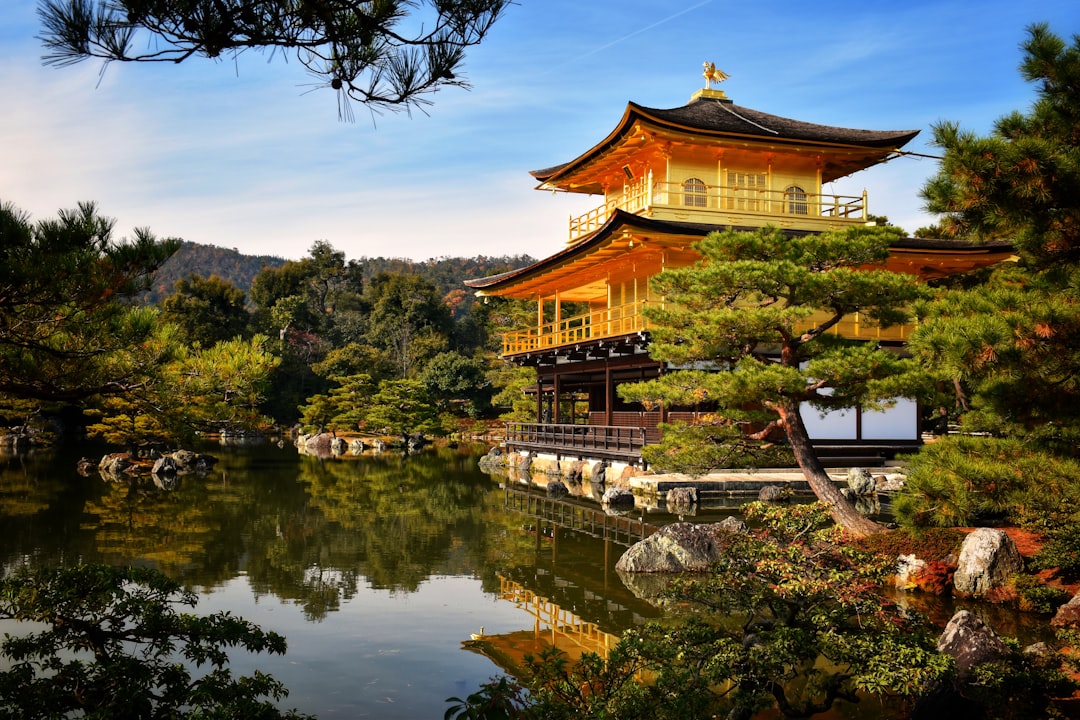

Photo by Jean Vella on Unsplash
Planning a trip to Japan in 2026? Understanding local etiquette isn’t just about avoiding embarrassment—it’s about showing respect for a culture that values harmony, consideration, and precision in daily interactions. Whether you’re riding the Shinkansen, dining at a small izakaya, or visiting a centuries-old shrine, knowing the unwritten rules will transform your experience from awkward to authentic. This guide covers everything modern travelers need to know about Japanese etiquette, updated for 2026 travel conditions.
Why Etiquette Matters More Than Ever in 2026
With Japan continuing to see record-breaking inbound tourism numbers in 2026, locals have become increasingly vocal about overtourism and etiquette breaches in popular destinations like Kyoto’s Gion district and Mount Fuji’s Fujiyoshida viewpoint. Many municipalities have introduced fines or restricted access due to tourist misbehavior. Understanding etiquette isn’t optional anymore—it directly affects whether certain areas remain open to visitors at all.
General Social Etiquette
Bowing and Greetings
While a handshake is increasingly accepted with foreigners, a slight nod or bow remains the respectful default. You don’t need to master the different bow angles used in formal Japanese business culture—a simple 15-degree nod when greeting shopkeepers, hotel staff, or acquaintances shows good faith.
Shoes Off Indoors
Always remove your shoes when entering someone’s home, traditional ryokan, certain restaurants, temples, and even some fitting rooms. Look for a genkan (entryway) with a step up, and slippers are usually provided. Never wear the same slippers into a bathroom—those come with their own dedicated toilet slippers.
Quiet Public Behavior
Japan values quiet, considerate public spaces. On trains, phone calls are considered rude—keep your phone on silent (manner mode) and avoid speaking loudly. Eating while walking is also frowned upon in most contexts, though this norm is relaxing slightly in tourist-heavy areas as of 2026.
Dining Etiquette
Chopstick Rules
Never stick chopsticks upright in a bowl of rice (it resembles funeral rituals), and don’t pass food chopstick-to-chopstick (also associated with funeral customs). When not in use, rest chopsticks on the provided holder.
Saying Itadakimasu and Gochisousama
Before eating, it’s customary to say “itadakimasu” (roughly “I humbly receive”), and after finishing, “gochisousama deshita” as thanks for the meal. Restaurant staff appreciate travelers who make this small effort.
Tipping Is Not Expected
Unlike in the West, tipping is not customary in Japan and can even cause confusion or be politely refused. Excellent service is considered standard, not something requiring extra payment. If you want to show appreciation, a sincere “gochisousama” or verbal thanks is sufficient.
Slurping Noodles
Slurping ramen or soba is completely acceptable and even signals enjoyment of the meal—don’t be shy about it.
Onsen and Public Bath Etiquette
Japan’s hot springs (onsen) have strict but simple rules: wash and rinse thoroughly at the shower stations before entering the shared bath, never let your towel touch the water, and tie long hair up. Most onsen still prohibit visitors with tattoos, though this is gradually changing—as of 2026, more establishments in tourist areas offer tattoo-friendly sessions or private baths (kashikiri buro), so check ahead if this applies to you.
Temple and Shrine Etiquette
At Shinto shrines, the traditional purification ritual involves rinsing your hands and mouth at the temizuya (water pavilion) before approaching the main hall. At both shrines and temples, keep your voice low, avoid flash photography where prohibited, and dress modestly. Bowing before and after passing through a torii gate is a nice, respectful gesture, though not obligatory for visitors.
Transportation Etiquette in 2026
IC Cards and Suica Compatibility
As of 2026, Suica and Pasmo remain the easiest way to navigate Japan’s trains and buses, and both now offer improved compatibility with foreign-issued credit cards through mobile wallet integration on iPhone and select Android devices, reducing the need to carry physical cards. Still, purchasing a physical IC card at the airport remains a reliable backup option for travelers.
JR Pass Pricing
Remember that JR Pass prices increased significantly in October 2023 and remain at that elevated rate through 2026. A 7-day ordinary pass costs around 50,000 yen, so calculate your planned rail usage carefully to determine if it’s cost-effective versus individual tickets or regional passes.
Queueing Culture
Japan’s queueing culture is legendary—wait patiently behind the marked lines on train platforms, let passengers exit before boarding, and never push. This orderly behavior extends to queueing for popular restaurants, ATMs, and taxi stands.
Money, Shopping, and Tax-Free Rules in 2026
Japan’s consumption tax remains at 10% as of 2026 (8% for select food items purchased for takeaway). Tax-free shopping is available for tourists spending over 5,000 yen at participating stores—simply present your passport at checkout. Note that as of 2026, the tax-free system has moved toward a refund-at-departure model at major airports for certain purchase categories, so keep all receipts and purchased items accessible until you clear customs at the airport.
Visa and Entry Etiquette Considerations
As of 2026, most Western passport holders (including the US, UK, EU nations, Australia, and Canada) can still enter Japan visa-free for stays up to 90 days for tourism purposes, though registration through the Japan Electronic System for Travel Authorization (JESTA)—Japan’s ETA-style pre-registration system—became mandatory in 2026 for several nationalities. Always check the official Ministry of Foreign Affairs website before departure, as entry requirements can change with little notice.
Photography and Social Media Etiquette
Always ask permission before photographing individuals, especially maiko and geiko in Kyoto’s Gion district, where photography restrictions now carry fines due to past harassment incidents. Avoid photographing private homes, and be mindful of posting locations that could contribute to overtourism at fragile natural sites.
Final Thoughts
Mastering Japanese etiquette isn’t about perfection—it’s about showing genuine respect and awareness. Locals generally appreciate any visible effort from travelers, even if you don’t get every rule exactly right. By following these guidelines, you’ll not only avoid common travel faux pas but also open doors to warmer interactions, better service, and a deeper appreciation of Japan’s rich cultural fabric during your 2026 visit.