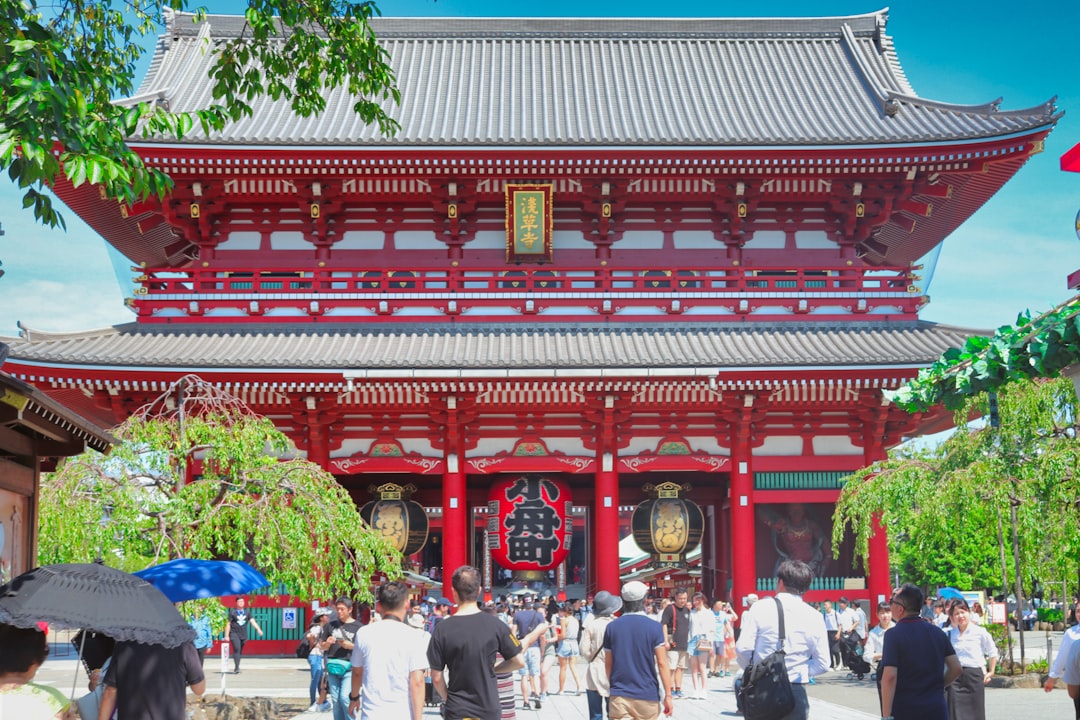

Photo by Maria P. on Unsplash
Planning a trip to Japan in 2026? As international arrivals continue to reach record highs this year, understanding Japanese etiquette for travelers has never been more important. Japan is a country where subtle social rules shape everyday interactions, and while locals are generally forgiving of foreign visitors, showing respect for local customs will transform your trip from a simple vacation into a genuinely rewarding cultural experience. This guide covers everything you need to know in 2026, from bowing and shoes to onsen rules and dining manners.
Why Etiquette Matters More Than Ever in 2026
With tourism numbers surging past pre-pandemic levels, many popular destinations like Kyoto, Tokyo, and Osaka have introduced stricter rules around tourist behavior, including fines for littering, smoking in non-designated areas, and disruptive conduct in geisha districts such as Gion. Local municipalities are increasingly vocal about “overtourism” etiquette violations, so being a considerate visitor in 2026 is not just polite – it helps preserve access to these beautiful places for everyone.
Greetings and Basic Manners
The bow (ojigi) remains the cornerstone of Japanese greetings. As a tourist, you are not expected to master the nuanced levels of bowing used in business settings, but a small nod of the head when greeting someone, thanking a shopkeeper, or saying goodbye is always appreciated. Handshakes are becoming more common with foreigners, especially in business contexts, but a bow is never out of place.
- Avoid overly loud conversations in public spaces like trains and restaurants.
- Direct eye contact is less emphasized than in Western cultures; don’t take it personally if someone looks away.
- Physical greetings like hugging or cheek-kissing are uncommon and can make locals uncomfortable.
- Saying simple Japanese phrases like “arigatou gozaimasu” (thank you) or “sumimasen” (excuse me/sorry) goes a long way.
Shoes, Slippers, and Indoor Spaces
One of the most important rules of Japanese etiquette for travelers is understanding when to remove your shoes. You’ll need to take off your shoes when entering:
- Traditional ryokan (inns) and many hotels with tatami rooms
- Temples and shrines with wooden interior floors
- Private homes
- Certain restaurants with tatami seating
- Fitting rooms in some clothing stores
Look for a genkan (entryway) with a step up and a shoe rack – this is your cue to remove shoes and switch into provided slippers. Note that there are often separate slippers specifically for the toilet, which should never be worn outside the bathroom.
Dining Etiquette in 2026
Japanese dining customs are rich with small but meaningful rules:
- Say “itadakimasu” before eating and “gochisousama deshita” after finishing, as a way of expressing gratitude for the meal.
- Never stick chopsticks upright in a bowl of rice – this resembles a funeral ritual and is considered deeply disrespectful.
- Avoid passing food directly from chopstick to chopstick, another funeral-associated gesture.
- Slurping noodles (ramen, soba, udon) is completely acceptable and even seen as a compliment to the chef.
- Tipping is not customary in Japan and can even cause confusion or be refused. Excellent service is simply the standard, not something requiring extra payment.
- At izakaya (Japanese pubs), it’s common to order a shared appetizer called “otoshi” automatically, which comes with a small cover charge – this is normal, not a scam.
Onsen and Public Bath Etiquette
Visiting an onsen (hot spring) or sento (public bathhouse) is a quintessential Japanese experience, but it comes with strict etiquette:
- Wash and rinse your body thoroughly at the shower stations before entering the shared bathing area.
- Swimsuits are not permitted in most traditional onsens – bathing is done nude, separated by gender.
- Long hair should be tied up and kept out of the water.
- Small towels should not enter the bathing water; place them on your head or beside the bath.
- As of 2026, many onsens still restrict visitors with visible tattoos due to historical associations with organized crime, though this is gradually relaxing. Look for “tattoo-friendly” onsens, increasingly listed on booking platforms, or use waterproof cover stickers where allowed.
Public Transport Manners
Japan’s trains and buses are famous for their punctuality and quietness, and travelers are expected to follow suit:
- Keep phone calls to a minimum on trains; if necessary, speak quietly and briefly.
- Set phones to silent mode (manner mode) while riding public transport.
- Priority seating near train doors is reserved for elderly, pregnant, or disabled passengers.
- Eating on local trains is generally frowned upon, though it’s acceptable on long-distance Shinkansen journeys.
- Queue in marked lines on platforms and let passengers exit before boarding.
For getting around, IC cards remain essential. As of 2026, Suica and Pasmo continue to support Apple Pay and Google Pay setup for many international credit cards, though some compatibility issues persist with certain foreign-issued cards due to an ongoing chip shortage that began in 2023. It’s wise to check current compatibility on official Suica/Pasmo websites before your trip, or purchase a physical Welcome Suica card at the airport if needed. If you’re planning extensive long-distance rail travel, note that JR Pass prices increased significantly in October 2023 and remain elevated in 2026 – a 7-day ordinary pass costs around 50,000 yen, so calculate whether individual Shinkansen tickets might be more cost-effective for shorter itineraries.
Temple and Shrine Etiquette
Shrines (Shinto) and temples (Buddhist) are sacred spaces requiring respectful behavior:
- At shrine entrances, bow slightly before passing through the torii gate.
- Use the purification fountain (temizuya) to rinse your hands and mouth before approaching the main hall.
- Photography is often restricted inside main halls – look for signage or ask staff.
- Keep voices low and avoid disruptive behavior, especially in geisha districts like Gion in Kyoto, where 2026 regulations now include fines for photographing geiko and maiko without permission on certain private streets.
- When making an offering, a common practice is to toss a coin into the box, bow twice, clap twice, make a silent wish, then bow once more (at shrines specifically).
Tax-Free Shopping Etiquette in 2026
Japan’s consumption tax remains at 10% in 2026, and tax-free shopping is available for tourists spending over 5,000 yen at participating stores. Always carry your passport, as it’s required to process tax-free purchases at the point of sale. Note that as of 2026, the tax-free system operates on an immediate deduction basis at most major retailers rather than requiring a separate airport refund counter, though some smaller shops may still use the traditional refund process – ask staff for clarification when shopping.
General Tips for Respectful Travel
- Avoid eating or drinking while walking in crowded areas; find a designated spot to consume food.
- Litter bins are scarce in public spaces – carry a small bag for your trash until you find a bin, typically near vending machines or convenience stores.
- Smoking is only permitted in designated smoking areas; smoking while walking is banned in many cities including Tokyo, with fines enforced.
- When visiting someone’s home, bring a small gift (omiyage) as a gesture of appreciation.
- Learn to say “sumimasen” liberally – it works as “excuse me,” “sorry,” and even to get someone’s attention.
Final Thoughts
Mastering Japanese etiquette for travelers doesn’t require perfection – locals understand that visitors are still learning. What matters most is showing genuine effort and respect for local customs. By following these guidelines in 2026, you’ll navigate temples, trains, restaurants, and onsens with confidence, creating a more meaningful connection with Japanese culture during your journey. For the most current rules, always check official tourism board resources like the Japan National Tourism Organization (JNTO) website before you travel, as regulations can evolve throughout the year.