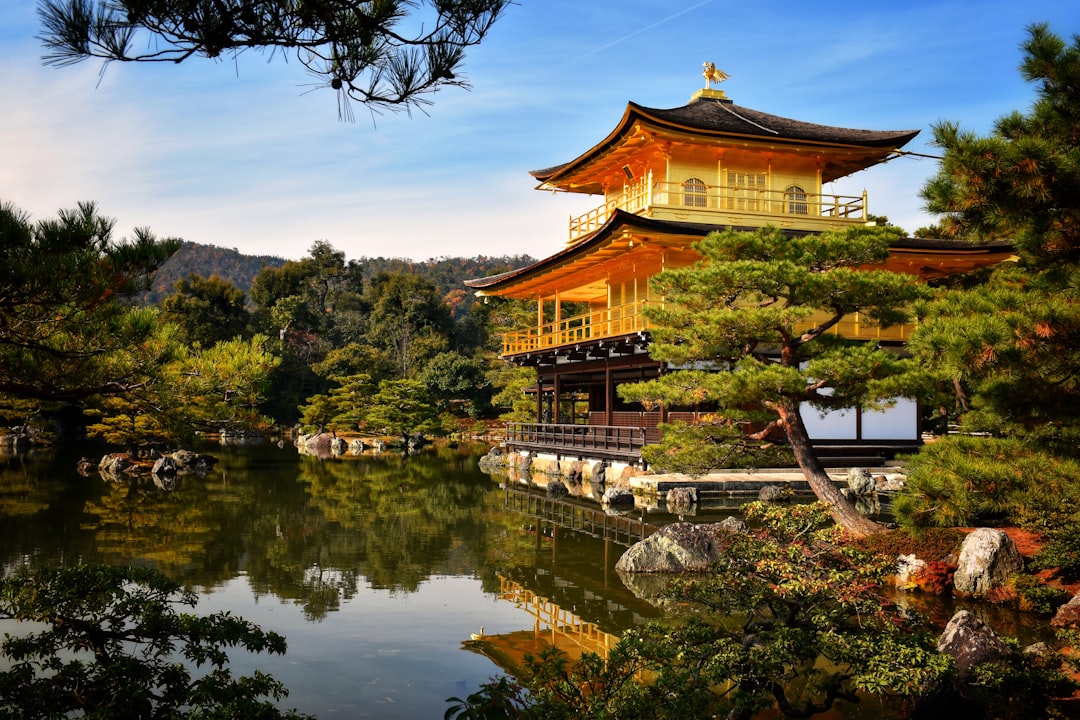

Photo by Jean Vella on Unsplash
Planning a trip to Japan in 2026? Beyond the neon lights of Shibuya and the serene temples of Kyoto, Japan is a country where etiquette and unspoken social rules shape everyday life. As of 2026, tourism to Japan continues to break records, and with that growth comes a renewed emphasis on respectful travel. This comprehensive guide covers everything you need to know about Japanese etiquette for travelers, so you can navigate the country confidently, avoid embarrassing mistakes, and leave a positive impression wherever you go.
Japan is famously polite, orderly, and detail-oriented, and visitors are generally given a lot of grace as foreigners. However, understanding a handful of core etiquette rules will not only help you avoid awkward situations but will also earn you genuine respect and warmth from locals. Let’s dive into the essential dos and don’ts.
Before You Go: Entry Requirements and Practical Basics for 2026
Before worrying about bowing angles and chopstick rules, make sure your travel logistics are in order. As of 2026, many nationalities including the US, UK, Canada, Australia, and most EU countries can still enter Japan visa-free for short-term tourism (typically up to 90 days), though Japan has been rolling out its JESTA (Japan Electronic System for Travel Authorization) pre-registration system, similar to the US ESTA. Always check the official Ministry of Foreign Affairs website or your nearest Japanese embassy before departure, as pilot rollouts and requirements can change.
JR Pass Pricing in 2026
The Japan Rail Pass saw a significant price increase in October 2023, and those higher rates remain in effect as of 2026. A 7-day ordinary JR Pass now costs approximately 50,000 yen for adults, compared to roughly 29,650 yen before the hike. Because of this, it’s essential to calculate whether the pass is actually cost-effective for your itinerary. For travelers focused mainly on one region (like Kansai or Tokyo), regional rail passes are often a better value than the nationwide pass.
IC Cards: Suica and Pasmo Updates
Physical Suica and Pasmo IC cards experienced a chip shortage in past years, but as of 2026 physical card issuance has stabilized, and \”Welcome Suica\” and \”Welcome Pasmo\” limited-period cards remain widely available for tourists at airports and major stations. Additionally, mobile wallet compatibility has expanded significantly: travelers with compatible iPhones and select Android devices can now add Suica or Pasmo directly to Apple Pay or Google Wallet and top up using a foreign-issued credit card, no physical card needed. This is one of the most convenient updates for tech-savvy visitors in 2026.
Tax-Free Shopping Rules
Japan’s consumption tax remains at 10% (8% for most food and beverages purchased for takeaway) as of 2026. Tourists can still enjoy tax-free shopping at participating stores by presenting their passport at the time of purchase, with a minimum spend threshold (commonly 5,000 yen) required per store, per day. Keep your tax-free receipts and purchased goods accessible, as customs officials at the airport may ask to inspect them before departure.
General Etiquette Principles to Understand
Japanese etiquette is built around a few core values: respect for others, avoidance of causing trouble (meiwaku), harmony, and cleanliness. Keeping these principles in mind will guide you through almost any unfamiliar situation.
Bowing
Bowing is the traditional greeting in Japan, though handshakes are increasingly common in business settings with foreigners. As a tourist, a small nod or slight bow of the head is sufficient and appreciated. You don’t need to master the precise angles used in formal Japanese business culture.
Shoes On, Shoes Off
Removing your shoes is required in many settings, including homes, traditional ryokan inns, some restaurants, temples, and even certain fitting rooms. Look for a genkan (entryway) with a step up and a shoe rack, or slippers laid out, as your cue. Always wear clean, presentable socks when traveling in Japan, since you’ll be taking your shoes off more often than you might expect.
Dining Etiquette
Food culture is central to the Japanese travel experience, and dining etiquette is one of the areas where travelers most commonly slip up.
- Never stick your chopsticks upright into a bowl of rice; this resembles a funeral ritual and is considered highly inauspicious.
- Avoid passing food directly from your chopsticks to someone else’s chopsticks, another gesture associated with funeral rites.
- Slurping noodles (ramen, soba, udon) is perfectly acceptable and even seen as a compliment to the chef.
- Tipping is not customary in Japan and can even cause confusion or be politely refused. Excellent service is simply the standard.
- Say \”itadakimasu\” before eating and \”gochisousama deshita\” after finishing, as a small gesture of gratitude.
- At izakaya (casual pubs), it’s common to order a round of drinks together and toast with \”kanpai.\”
Public Transport Etiquette
Japan’s train and subway systems are famous for their punctuality and order, and travelers are expected to follow the unwritten rules that keep things running smoothly.
- Keep phone conversations to a minimum or step into designated areas between train cars if you must talk.
- Set your phone to silent mode (known as \”manner mode\”) while on trains and buses.
- Queue in the marked lines on platforms and let passengers exit before boarding.
- Priority seating is reserved for elderly, pregnant, disabled, or injured passengers, and for those with small children.
- Eating on local commuter trains is generally frowned upon, though it’s acceptable on long-distance trains like the Shinkansen.
Onsen and Public Bath Etiquette
Visiting an onsen (hot spring) or sento (public bathhouse) is a must-do cultural experience, but it comes with strict etiquette rules that first-time visitors should know.
- Wash and rinse thoroughly at the shower stations before entering the communal bath.
- Do not bring soap, shampoo, or your towel into the bathing water itself; small towels are typically kept out of the water or placed on your head.
- Tattoos remain a sensitive issue at many traditional onsens as of 2026, though an increasing number of establishments now welcome tattooed guests or offer private baths (kashikiri buro). Always check the venue’s policy in advance.
- Swimwear is not permitted in most traditional onsens; bathing is done nude, separated by gender in most facilities.
Temple and Shrine Etiquette
Japan’s temples (Buddhist) and shrines (Shinto) are active places of worship, not just tourist attractions, so visitors should behave respectfully.
- At shrine entrances, purify your hands and mouth at the temizuya (water pavilion) before approaching the main hall.
- Bow before passing through a torii gate, and try to walk along the sides of the path rather than the center, which is traditionally reserved for the deity.
- Keep your voice low and avoid loud conversations or disruptive behavior, especially during ceremonies.
- Photography is often restricted inside main halls; look for posted signage or ask staff if unsure.
General Social Etiquette Tips
- Avoid eating or drinking while walking in public, especially in crowded areas; it’s considered messy and inconsiderate.
- Trash cans are surprisingly scarce in public spaces, so carry a small bag for your rubbish until you find a bin, often near vending machines or convenience stores.
- Smoking is restricted to designated smoking areas in most cities; smoking while walking is often prohibited by local ordinances with fines in places like Tokyo’s Chiyoda ward.
- Avoid blowing your nose loudly in public; step aside or use a restroom if possible.
- Cash is still widely used, though contactless and QR code payments (like PayPay) have expanded significantly by 2026, so carrying some yen alongside a payment app is a smart approach.
Final Thoughts
Japanese etiquette for travelers isn’t about achieving perfection, it’s about showing genuine respect and awareness for local customs. Most Japanese people are incredibly understanding toward visitors who make an honest effort, and small gestures like a polite bow, quiet train behavior, or a heartfelt \”arigatou gozaimasu\” go a long way. As you plan your 2026 trip to Japan, keep this guide handy, stay updated on official visa, JR Pass, and IC card policies through government and JR sources, and enjoy one of the most rewarding travel experiences in the world.