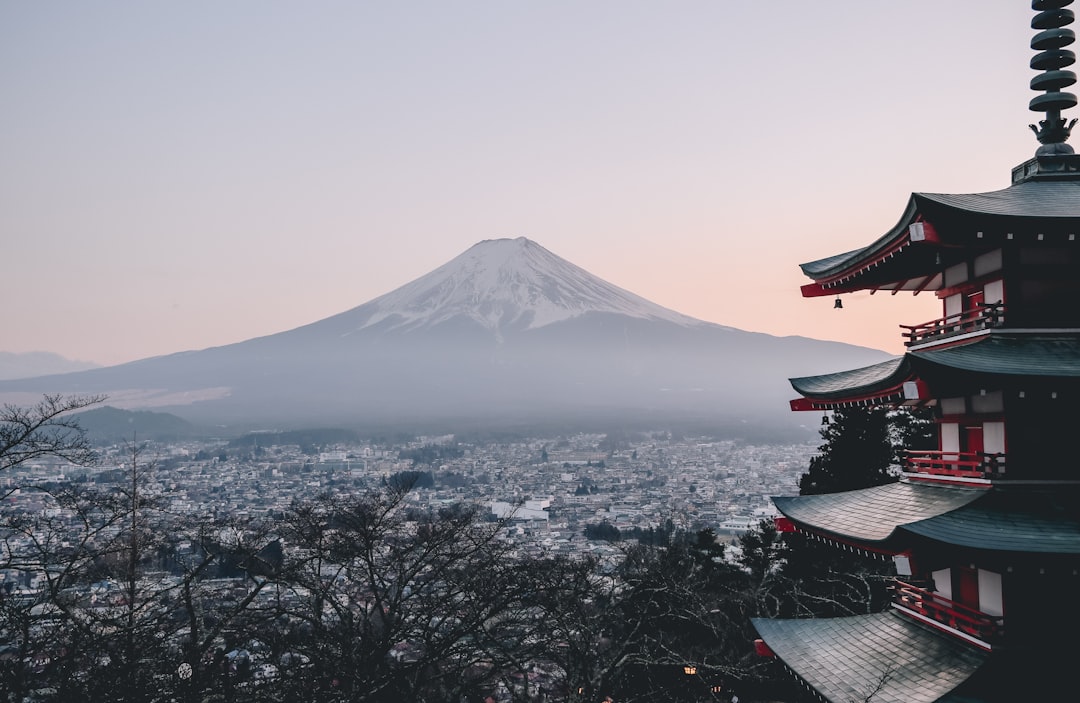

Photo by Manuel Cosentino on Unsplash
Planning a trip to Japan in 2026? Beyond the neon lights of Tokyo and the serene temples of Kyoto, Japan operates on a deep cultural code of politeness, respect, and social harmony that can feel mysterious to first-time visitors. Understanding Japanese etiquette for travelers isn’t about being perfect – it’s about showing genuine respect for local customs, which the Japanese people will warmly appreciate. This 2026 guide covers everything from bowing to bathroom slippers, so you can travel with confidence and avoid unintentional faux pas.
Japan remains one of the most welcoming countries for tourists, and with record numbers of international visitors expected in 2026, locals are generally understanding of foreigners who make mistakes. Still, a little effort goes a long way. Let’s dive into the essential etiquette rules every traveler should know.
Greetings and Bowing Basics
The bow (ojigi) is the cornerstone of Japanese social interaction, replacing handshakes in most formal and casual settings. As a tourist, you don’t need to master the precise angles used in business settings, but a small nod of the head when greeting someone, thanking a shop clerk, or saying goodbye is always appreciated.
- Casual nod (15 degrees): Used for everyday interactions like greeting shop staff.
- Respectful bow (30 degrees): Used when meeting someone for the first time or thanking someone sincerely.
- Handshakes are becoming more common with foreign visitors, but let your Japanese counterpart initiate one if unsure.
Shoes On, Shoes Off: Indoor Etiquette
One of the most important rules of Japanese etiquette for travelers involves footwear. You must remove your shoes when entering:
- Traditional ryokan (inns) and private homes
- Many temples and shrines with tatami flooring
- Some restaurants, especially those with tatami seating
- Fitting rooms in clothing stores (often require you to remove shoes or wear a face cover for clothing)
Look for a genkan (entryway) with a step-up floor and a shoe rack or shelf – this is your cue to remove your shoes. Many establishments provide slippers, but remember to swap into designated toilet slippers when using the bathroom, then swap back afterward. Forgetting to change out of toilet slippers is a classic tourist mistake that locals find amusing but understand.
Onsen and Public Bath Etiquette
Soaking in an onsen (hot spring) is a quintessential Japanese experience, but it comes with strict etiquette:
- Wash and rinse your body thoroughly at the shower stations before entering the communal bath.
- Never let your towel touch the bathwater – most people fold small towels on their heads or set them aside.
- Swimwear is not permitted in most traditional onsens.
- As of 2026, an increasing number of onsens are becoming more tattoo-friendly for tourists, but many traditional establishments still ban visible tattoos due to historical associations with organized crime. Check ahead or look for tattoo-friendly onsens, or use waterproof cover-up stickers if needed.
Dining Etiquette in Japan
Food culture is central to the Japanese travel experience, and dining etiquette matters greatly:
- Say “itadakimasu” before eating and “gochisosama” after finishing – simple phrases that show appreciation.
- Never stick chopsticks upright in a bowl of rice (this resembles funeral rituals) and avoid passing food chopstick-to-chopstick.
- Slurping noodles (ramen, soba, udon) is not only acceptable but seen as a sign of enjoyment.
- Tipping is not customary in Japan and can even cause confusion or be considered rude – excellent service is simply the standard.
- In casual izakaya and restaurants, it’s polite to say “kanpai” (cheers) before drinking, and to pour drinks for others rather than yourself.
Public Transportation Manners
Japan’s train and subway systems are famous for their punctuality and quiet atmosphere. Key etiquette points include:
- Keep phone conversations to a minimum on trains; if you must talk, keep your voice low.
- Set your phone to silent mode (manner mode) while riding public transport.
- Avoid eating on local trains and subways (though it’s generally fine on long-distance trains like the Shinkansen).
- Queue in orderly lines at platform markings and let passengers exit before boarding.
- Priority seats are reserved for elderly, pregnant, or disabled passengers – avoid using your phone even near these seats, as it may interfere with pacemakers.
For getting around, IC cards like Suica and Pasmo remain essential. As of 2026, most IC cards now support direct top-up via smartphone wallets (Apple Pay and Google Pay), and several regions have expanded compatibility for foreign-issued credit cards for mobile IC card setup, making transportation smoother than ever for international visitors. If you’re traveling extensively by rail, check current JR Pass pricing carefully – since the October 2023 price increase, a 7-day Ordinary JR Pass costs 50,000 yen for adults, so calculate whether it suits your itinerary versus buying individual tickets.
Shrine and Temple Etiquette
Shrines (Shinto) and temples (Buddhist) are sacred spaces requiring respectful behavior:
- At the purification fountain (temizuya), rinse both hands and your mouth before approaching the main hall.
- Bow slightly before passing through torii gates at shrines.
- At shrines, the typical prayer method is: bow twice, clap twice, pray, then bow once more.
- Photography is often restricted inside main halls – always look for signage or ask staff.
- Speak quietly and avoid loud laughter or disruptive behavior on the grounds.
Money, Shopping, and Tax-Free Rules in 2026
Japan’s consumption tax remains at 10% (8% for food and beverages purchased for takeout) as of 2026. Tourists can enjoy tax-free shopping at participating stores when spending over 5,000 yen on general goods or consumables in a single day at the same store, provided you show your passport at checkout. Note that as of 2026, Japan has been discussing reforms to simplify the tax-free system into a refund-at-departure model, so always check the latest procedures at major airports like Narita or Haneda before your trip, as rules may have been updated.
Cash is still king in many smaller shops and rural areas, though contactless payments and QR code systems like PayPay have expanded significantly. Carry some cash for temples, small eateries, and rural train stations.
Visa and Entry Requirements for 2026
As of 2026, many nationalities, including the US, UK, EU countries, Australia, and Canada, can still enter Japan visa-free for short-term tourism (typically up to 90 days), though Japan has been rolling out its new digital entry system (JESTA – Japan Electronic System for Travel Authorization) for visa-exempt visitors, similar to the US ESTA. Always verify the latest requirements on the official Ministry of Foreign Affairs of Japan website or your nearest Japanese embassy before departure, as pre-registration rules can change.
General Social Etiquette Tips
- Avoid pointing directly at people; use an open hand gesture instead.
- Blowing your nose in public is considered impolite – step aside or use the restroom.
- Public displays of affection (hugging, kissing) are uncommon and can draw attention.
- Tattoos may still be viewed cautiously in certain gyms, pools, and traditional establishments.
- Learn a few basic Japanese phrases like “sumimasen” (excuse me/sorry), “arigatou gozaimasu” (thank you), and “onegaishimasu” (please) – locals appreciate the effort immensely.
Final Thoughts
Mastering Japanese etiquette for travelers doesn’t require perfection – it requires awareness and respect. The Japanese people are famously forgiving of tourists who make honest mistakes, especially when you show genuine effort to understand their culture. By following these guidelines for 2026, from bowing correctly to navigating onsen rules and using updated IC card technology, you’ll not only avoid embarrassment but also create deeper, more meaningful connections during your journey through Japan. Safe travels, and enjoy every unique cultural moment your trip has to offer!