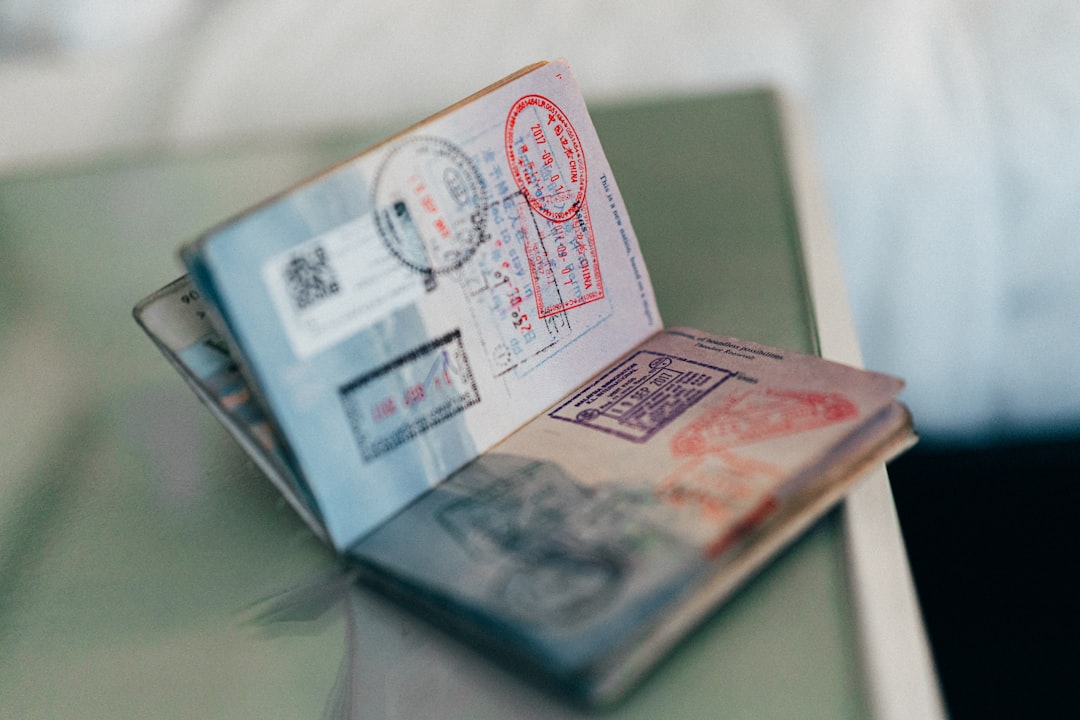

Photo by Kit (formerly ConvertKit) on Unsplash
Planning a trip to Japan from Indonesia in 2026? Whether you’re dreaming of cherry blossoms in Kyoto, neon lights in Tokyo, or fresh sushi in Osaka, the very first step of your journey starts with the visa application. As of 2026, Indonesian passport holders still require a visa to enter Japan for tourism, business, or transit purposes, but the process has become significantly more streamlined thanks to the expanded Japan eVISA system. This guide breaks down everything Indonesian travelers need to know to get their Japan visa approved smoothly and quickly.
Do Indonesians Need a Visa for Japan in 2026?
Yes. Unlike Singaporean or Malaysian passport holders, Indonesian citizens are not on Japan’s visa-exemption list as of 2026. However, the good news is that Japan has continued rolling out its digital eVISA system for Indonesian applicants, which was expanded nationwide after its pilot phase. This means most short-term tourist visa applications can now be submitted online instead of visiting a visa application center in person, cutting processing time considerably for many applicants.
It’s important to note that eVISA availability can depend on your travel history, purpose of visit, and whether you’re applying individually or as part of a registered travel agency group. Always check the official website of the Embassy of Japan in Jakarta or the Consulate General in Surabaya, Medan, or Denpasar for the latest confirmation, as policies can be updated throughout the year.
Types of Visas Available for Indonesian Travelers
- Single-entry Tourist Visa – valid for one visit, typically allowing a stay of up to 15 or 30 days depending on your itinerary.
- Multiple-entry Visa – ideal for frequent visitors, business travelers, or those planning several trips to Japan within a 3-year validity period. Eligibility usually requires proof of sufficient income or a history of previous visits to Japan or other G7 countries.
- Transit Visa – for travelers passing through Japan en route to a third country.
- Business Visa – for short-term business meetings, conferences, or negotiations, requiring an invitation letter from the Japanese host company.
Required Documents Checklist
Preparing a complete and accurate document set is the single most important factor in avoiding delays or rejections. As of 2026, the standard requirements for Indonesian applicants include:
- Passport valid for at least 6 months beyond your planned stay, with at least 2 blank pages
- Completed visa application form (downloadable from the embassy website or filled digitally via the eVISA portal)
- Recent passport-sized photo (4.5cm x 4.5cm, white background, taken within the last 6 months)
- Copy of Indonesian KTP (ID card) and Kartu Keluarga (Family Register)
- Flight itinerary (reservation, not necessarily a purchased ticket)
- Detailed day-by-day travel itinerary
- Proof of accommodation (hotel bookings or an invitation letter if staying with family/friends in Japan)
- Bank statement for the last 3 months showing sufficient funds (generally recommended around IDR 40-50 million or more, though there’s no strict fixed minimum)
- Employment certificate or business license (for employed/self-employed applicants) or student enrollment letter (for students)
If you’re applying through a sponsor in Japan or being invited by a relative, you’ll also need a Letter of Guarantee, the sponsor’s residence certificate (Juminhyo), and their tax certificate.
Step-by-Step Application Process in 2026
1. Check Your Eligibility for eVISA
Visit the official Japan eVISA portal or the embassy’s website to confirm whether your travel purpose and applicant category qualify for online submission. Many first-time individual tourist applicants from major Indonesian cities are now eligible.
2. Prepare and Scan Your Documents
Ensure all documents are clear, in color, and within the file size limits specified by the portal (usually PDF or JPEG format). Blurry or incomplete scans are one of the most common reasons for processing delays.
3. Submit Your Application
If applying online, upload your documents and pay the visa fee via the available digital payment methods. If applying in person, submit your documents at an accredited visa application center (such as JVAC in Jakarta or partner travel agencies in other major cities), as Japan does not accept walk-in applications directly at the embassy from individual travelers.
4. Wait for Processing
As of 2026, standard processing time is approximately 5-7 working days for tourist visas, though eVISA applications submitted with complete documents can sometimes be processed faster. Avoid booking non-refundable flights until your visa is confirmed.
5. Collect Your Visa or Download Your eVISA
Traditional visa stickers are collected in person or via courier, while eVISA approvals are sent digitally and simply need to be printed or shown on your phone at immigration.
Visa Fees in 2026
Visa fees are generally paid in Indonesian Rupiah and vary slightly depending on the visa type and whether you apply through an agency (which adds a service fee). As a general guide for 2026:
- Single-entry visa: approximately IDR 380,000–450,000
- Multiple-entry visa: approximately IDR 760,000–900,000
- Transit visa: approximately IDR 240,000–300,000
These amounts can fluctuate with exchange rates and administrative updates, so always confirm the exact fee on the official embassy website or JVAC before applying.
Common Mistakes Indonesian Applicants Should Avoid
- Inconsistent itinerary details – Make sure your flight dates, hotel bookings, and day-by-day plan all match logically.
- Insufficient bank balance history – Sudden large deposits right before applying can raise red flags; maintain a stable balance for at least 3 months.
- Incomplete sponsor documents – If a relative or friend in Japan is sponsoring your trip, missing their financial or residency documents is a top reason for rejection.
- Blurry or outdated photos – Follow the exact photo specifications; non-compliant photos are frequently rejected.
- Applying too early or too late – Submit your application no more than 3 months before departure, but leave enough buffer time (at least 3-4 weeks) before your trip.
Tips to Increase Your Approval Chances
- Book refundable or flexible flights and accommodations to use as supporting documents without financial risk.
- Write a clear, realistic itinerary that matches a tourist’s typical pace (avoid cramming 10 cities into 5 days).
- If you’ve traveled to other developed countries before (Australia, EU countries, USA, UK), include copies of those visas or entry stamps to strengthen your application.
- Use a reputable travel agency experienced in Japan visa applications if you’re unfamiliar with the process, especially for multiple-entry visa applications.
- Double-check that your passport has no damage, as even minor tears can cause processing issues.
Bonus: Getting Ready for Japan After Your Visa Is Approved
Once your visa is secured, it’s time to plan the practical side of your trip. If you intend to travel extensively by train, compare the current JR Pass pricing (which was raised in October 2023 and remains at the higher rate as of 2026) against individual ticket costs to see which is more economical for your itinerary. For getting around cities, IC cards like Suica and Pasmo remain the easiest way to pay for trains, buses, and convenience store purchases — as of 2026, mobile versions of these cards are increasingly compatible with foreign-issued smartphones, though physical cards are still the most reliable option for visitors. Lastly, don’t forget that Japan’s consumption tax remains at 10% on most goods, and tax-free shopping is still available for tourists spending above the minimum threshold at participating stores — just remember to bring your passport when shopping for tax-free eligibility.
Final Thoughts
Applying for a Japan visa as an Indonesian traveler in 2026 is more efficient than ever thanks to the expanded eVISA system, but careful document preparation remains essential. Start early, stay organized, and always refer to official sources like the Embassy of Japan in Jakarta for the most current requirements. With your visa sorted, all that’s left is to start planning the unforgettable Japanese adventure that awaits you.