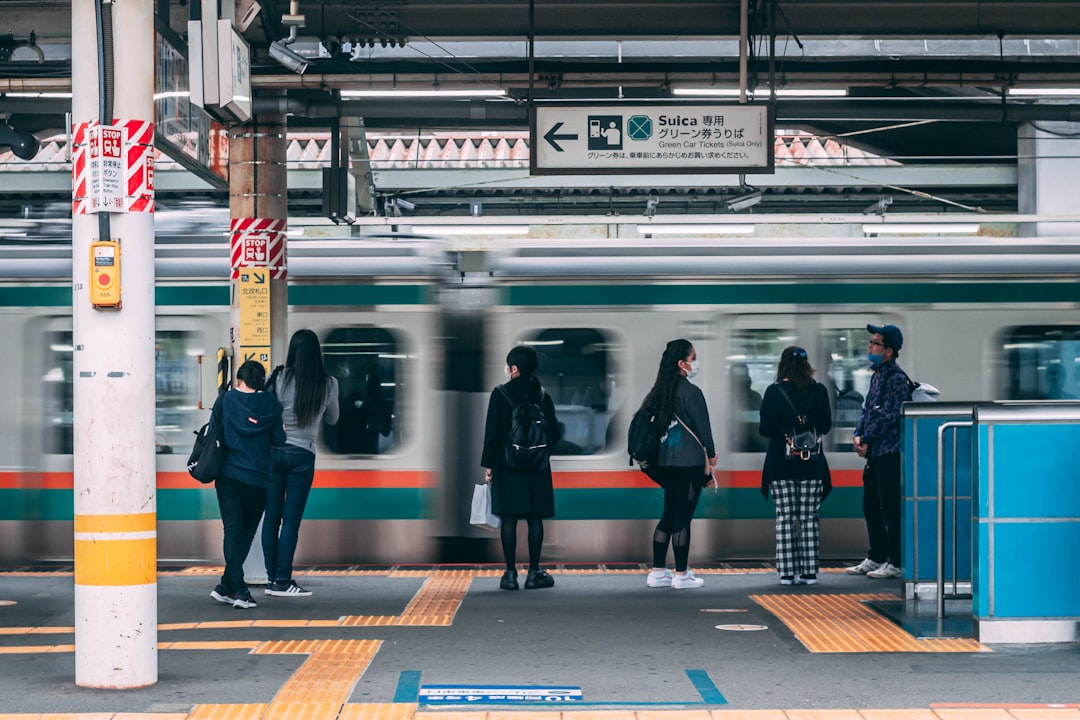

Photo by Kanchan Raj Pandey on Unsplash
Tokyo’s rush hour is legendary — and if you’re visiting Japan in 2026, you’ll likely experience it firsthand whether you’re commuting from your hotel or heading to a popular sightseeing spot. Packed platforms, white-gloved station staff, and trains so full you can barely turn your head are all part of the experience. But don’t worry: with a little preparation and knowledge of local etiquette, you can navigate Japan’s rush hour like a seasoned local. This guide covers everything you need to know, updated for 2026, from IC card tips to unwritten social rules that will help you blend in and avoid awkward moments.
Why Japanese Rush Hour Is So Intense
Japan’s major cities — especially Tokyo, Osaka, and Nagoya — have some of the busiest train networks in the world. Morning rush hour typically runs from 7:30 AM to 9:30 AM, and evening rush hour from 5:30 PM to 7:30 PM on weekdays. During these windows, trains on popular lines like the Yamanote Line, Chuo Line, and Tozai Line can reach passenger loads of 150-200% capacity. If possible, plan your sightseeing trips outside these hours, but if you must travel during peak times, the tips below will help you survive with your sanity (and belongings) intact.
Essential IC Card Tips for 2026
Before diving into etiquette, make sure your payment method is sorted. As of 2026, Suica and Pasmo IC cards remain the easiest way to navigate Japan’s train systems, and both now offer improved compatibility with foreign-issued Visa, Mastercard, and American Express cards through the mobile app versions, allowing tourists to top up directly from overseas credit cards without needing cash at ticket machines. Physical IC cards are also still available for purchase at major stations, though supply issues from previous years have mostly resolved as of 2026. Always check the official JR East and Suica websites for the latest compatibility updates before your trip, as policies can change.
Rush Hour Survival Tips
1. Position Yourself Strategically on the Platform
Japanese platforms often have floor markings indicating where train doors will open and where queues should form. Look for these lines and queue accordingly — this isn’t optional etiquette, it’s expected behavior. Standing to the side of the doors (not directly in front) allows alighting passengers to exit before you board, which keeps the flow moving quickly.
2. Let Passengers Exit First
This is one of the most important rules of Japanese train etiquette. Never attempt to board before passengers have fully exited. During rush hour, this exchange happens in mere seconds, so be alert and ready to step aside, then board quickly once the way is clear.
3. Master the Art of Silent Commuting
Japanese trains during rush hour are remarkably quiet, even when packed shoulder to shoulder. Phone calls are considered highly rude and should never be taken on a train. If you must communicate, use text messages or keep conversations to a whispered minimum. Set your phone to silent mode (known locally as “manner mode”) before boarding.
4. Backpacks Go in Front or Overhead
If you’re carrying a backpack during a crowded commute, it’s expected that you either wear it on your front or hold it by your side rather than on your back, where it can bump into other passengers or block movement. Many trains also have overhead racks for larger bags, though during extreme rush hour crowding, floor space is often at a premium too.
5. Understand Priority Seating
Priority seats (marked with different colored seat fabric, usually near train doors) are reserved for elderly passengers, pregnant women, passengers with disabilities, and those traveling with small children. Even if these seats appear empty, it’s polite to avoid sitting in them if you don’t fall into these categories, especially during busy hours. Additionally, phones should be switched to silent mode near priority seating due to concerns about interference with pacemakers.
6. Avoid Eating and Drinking
Unlike some Western transit systems, eating and drinking on commuter trains is generally frowned upon, particularly during rush hour when space is tight. This rule is more relaxed on long-distance Shinkansen journeys, where eating a bento box is a beloved tradition, but on local and rapid trains, it’s best to wait until you’ve reached your destination.
7. Women-Only Cars
Many train lines in Tokyo, Osaka, and other major cities offer women-only cars during morning and sometimes evening rush hours, designed to reduce incidents of groping and harassment on crowded trains. These cars are clearly marked with pink signage on the platform and inside the train. Male travelers should be mindful to check signage and avoid these cars during designated hours.
8. Don’t Block the Doors
If you’re standing near the doors and it’s not your stop, step out briefly to let others off, then step back in. Blocking doors while trying to stay in place is considered inconsiderate and can cause delays, especially during peak commuting windows.
What to Do If You’re Caught in an Extremely Packed Train
If you find yourself in a train so packed that personal space essentially disappears, stay calm. This is a normal part of the experience for millions of Japanese commuters daily. Keep your arms close to your body, hold onto an overhead strap or rail if possible, and avoid making sudden movements. Station staff (sometimes called “pushers” or oshiya) may be employed at extremely busy stations to help compact passengers into trains during the most intense rush periods — this is completely normal and nothing to be alarmed about.
Alternative Strategies to Avoid Rush Hour Entirely
- Travel during off-peak hours: If your itinerary allows flexibility, aim to travel between 10 AM and 4 PM, or after 8 PM, when trains are significantly less crowded.
- Use the JR Pass wisely: As of 2026, the JR Pass (7-day version) costs 50,000 yen for adults, following the price increase implemented in October 2023. If you’re using it for intercity travel, plan Shinkansen journeys outside of Japanese holiday rush periods for a more comfortable experience.
- Consider staying near less central stations: Choosing accommodation slightly outside the absolute city center can mean boarding trains before they become overcrowded, giving you a better chance at finding a seat.
- Download a transit app: Apps like Japan Transit Planner or Google Maps (with real-time Japan train data) can help you identify less crowded route alternatives and time your travel to avoid the worst congestion.
Cultural Context: Why Etiquette Matters So Much
Japanese train etiquette reflects broader cultural values around group harmony (wa) and consideration for others (omoiyari). Even in the most cramped, uncomfortable conditions, maintaining quiet, orderly behavior is seen as a way of respecting fellow passengers who are all enduring the same daily challenge together. As a visitor, following these customs isn’t just about avoiding embarrassment — it’s a meaningful way to show respect for local culture and contribute positively to the shared commuting experience.
Final Thoughts
Surviving Japanese rush hour as a tourist in 2026 doesn’t have to be stressful. With the right IC card setup, an understanding of key etiquette rules, and some strategic planning around timing, you can navigate even Tokyo’s busiest train lines with confidence. Remember: observe what locals are doing, stay calm in crowded situations, and when in doubt, prioritize quietness and consideration for others. These small efforts will make your Japan travel experience smoother and more enjoyable, rush hour and all.