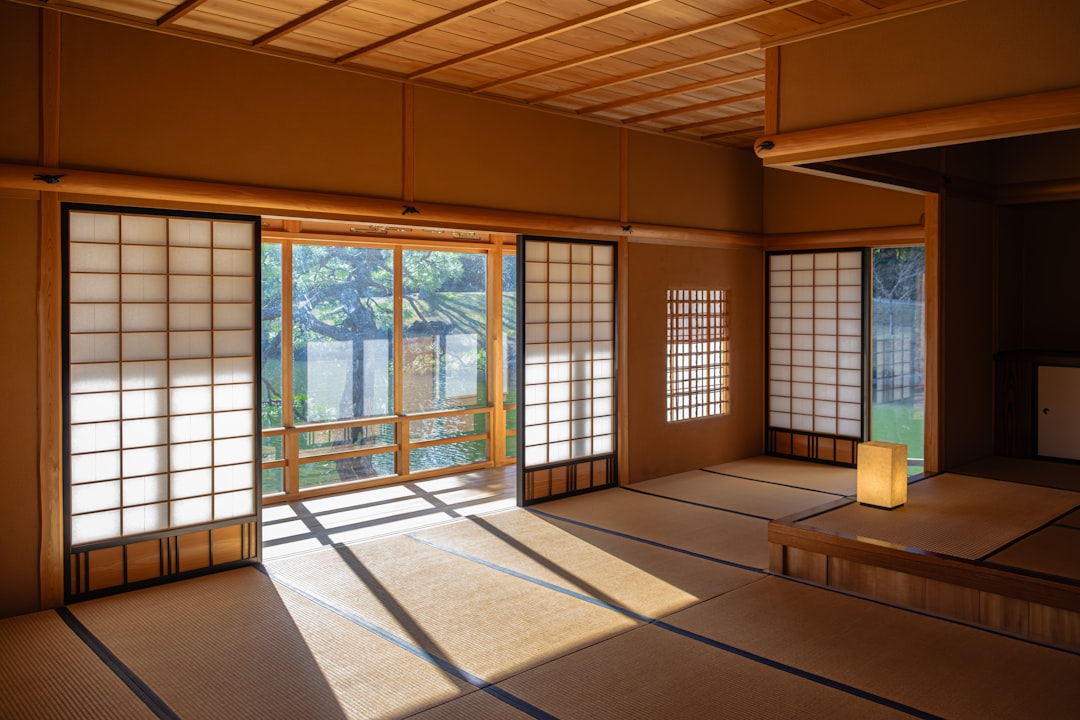

Photo by Viviana Nysaether on Unsplash
Staying in a tatami room is one of the most memorable parts of any trip to Japan, whether you’re booking a traditional ryokan in Kyoto or a Japanese-style room at a modern city hotel. In 2026, more international travelers than ever are choosing tatami accommodations for an authentic cultural experience, but many arrive unsure of the unspoken rules that govern these unique spaces. This guide breaks down everything you need to know about tatami room etiquette in Japan hotels, so you can relax and enjoy your stay without accidentally committing a cultural faux pas.
Tatami mats are woven straw flooring panels that have been used in Japanese homes and inns for centuries. They’re delicate, absorbent, and treated with genuine respect by locals. Understanding the etiquette around them isn’t just about avoiding embarrassment—it’s about honoring a tradition that reflects Japanese values of cleanliness, mindfulness, and respect for shared spaces.
Why Tatami Etiquette Matters
Tatami mats are made from natural rush grass (igusa) and rice straw cores, materials that are surprisingly delicate compared to hardwood or tile flooring. Sharp heels, spilled liquids, and dragged furniture can damage them permanently, and replacing tatami is expensive. Ryokan owners and hotel staff take great pride in maintaining these rooms, so following proper etiquette helps preserve this craftsmanship for future guests while showing respect for Japanese hospitality (omotenashi).
Essential Tatami Room Rules
1. Always Remove Your Shoes
This is the golden rule of tatami rooms. Shoes should be removed at the genkan (entryway) before stepping onto any tatami surface. Most ryokan and traditional hotels provide slippers for hallways, but these too must be removed before entering the tatami area—slippers are for wooden or tiled floors only. Walking on tatami should always be done in socks or bare feet.
2. No Suitcases or Wheeled Luggage Directly on Tatami
Wheeled suitcases can leave marks or tear the delicate weave of tatami mats. Most rooms provide a designated luggage stand or a non-tatami entry area where you can leave your suitcase. If no stand is provided, ask staff where luggage should be placed, or lift your bag rather than rolling it across the mats.
3. Avoid Standing or Walking on the Seams
Traditionally, it’s considered polite to avoid stepping directly on the seams (heri) where tatami mats meet. This custom dates back to samurai-era etiquette, when family crests were woven into the borders and stepping on them was seen as disrespectful. While modern hotel tatami rooms are more relaxed about this, it’s a thoughtful detail that locals still notice and appreciate.
4. Sit Properly During Meals and Tea
Many ryokan serve kaiseki dinners in-room, seated at a low table on the tatami. The formal sitting position is seiza (kneeling with legs folded beneath you), though this can be uncomfortable for extended periods. It’s perfectly acceptable for foreign guests to sit cross-legged (agura) or with legs to the side, especially for casual meals. Just avoid stretching your legs out toward other guests or pointing your feet at the table.
5. Never Place Heavy or Sharp Objects on the Mats
Tatami can be dented or torn by heavy furniture, camera tripods, or sharp-edged items. If you need to set up equipment, ask staff for guidance or place a towel underneath for protection.
Sleeping Arrangements: Understanding Futon Culture
Tatami rooms typically don’t have western-style beds. Instead, staff will lay out a futon (a thin mattress) directly on the tatami, usually in the evening while you’re at dinner—this is called “shiki” service. In the morning, the futon is folded and stored in a closet (oshiire) to free up floor space during the day. Guests should never fold or store the futon themselves unless instructed, as staff typically handle this as part of the service.
Respecting the Tokonoma Alcove
Many traditional tatami rooms feature a tokonoma, a decorative alcove often containing a hanging scroll, flower arrangement, or seasonal decoration. This space is purely aesthetic and should never be used for storage, sitting, or placing luggage. It’s considered the most sacred spot in the room, historically reserved for honored guests.
General Cleanliness Tips
- Avoid eating or drinking with sticky, staining foods directly on the tatami without a mat or tray underneath.
- Wipe up spills immediately and inform staff if anything is spilled on the mats.
- Don’t smoke in tatami rooms, even if permitted elsewhere in the property—the smell embeds deeply into the straw.
- Keep pets off tatami mats unless the property explicitly allows pet-friendly tatami rooms.
Onsen and Yukata Etiquette in Tatami Ryokan
Many tatami-style accommodations are part of onsen ryokan, where guests wear a provided yukata (cotton robe) throughout their stay. When wearing a yukata in your tatami room, sit and move in ways that keep the robe closed modestly, especially in shared spaces like dining rooms. If your ryokan includes a private or shared onsen, remember standard bathing etiquette: wash thoroughly before entering the bath, and never bring soap or a towel into the water itself.
Modern Hotels vs. Traditional Ryokan: What to Expect in 2026
As of 2026, many international hotel chains in Japan now offer “washitsu” (Japanese-style) rooms as an option alongside western rooms, blending tatami flooring with modern amenities like Wi-Fi, air conditioning, and sometimes even a western-style bed alongside a small tatami sitting area. These hybrid rooms tend to have slightly relaxed etiquette expectations compared to century-old ryokan, but the core rules—no shoes, no wheeled luggage, respect for the mats—still apply universally.
If you’re booking through platforms like Rakuten Travel or Booking.com, look for terms like “washitsu,” “tatami room,” or “Japanese-style room” in the listing description. Reviews often mention whether the tatami is well-maintained, which can be a good indicator of overall property quality.
Practical Tips for First-Time Tatami Guests
- Pack a pair of clean, presentable socks—flip-flops or bare feet may feel awkward during check-in interactions.
- Trim long fingernails on… just kidding, but do be mindful of dragging bags or dropping sharp jewelry near the mats.
- If traveling with children, gently remind them not to jump or run on tatami, as this can damage the weave over time.
- Ask staff (front desk or nakai-san, the room attendant) if you’re unsure about any room-specific rules—most are happy to explain in simple English.
Final Thoughts
Tatami room etiquette in Japan hotels isn’t about rigid formality—it’s about mindfulness and respect for a beautiful, centuries-old tradition. By removing your shoes, treating the mats gently, and following a few simple customs, you’ll not only avoid awkward moments but also deepen your appreciation for Japanese hospitality. As you plan your 2026 trip, embracing these small etiquette points will make your tatami stay feel less like a tourist experience and more like a genuine cultural immersion.