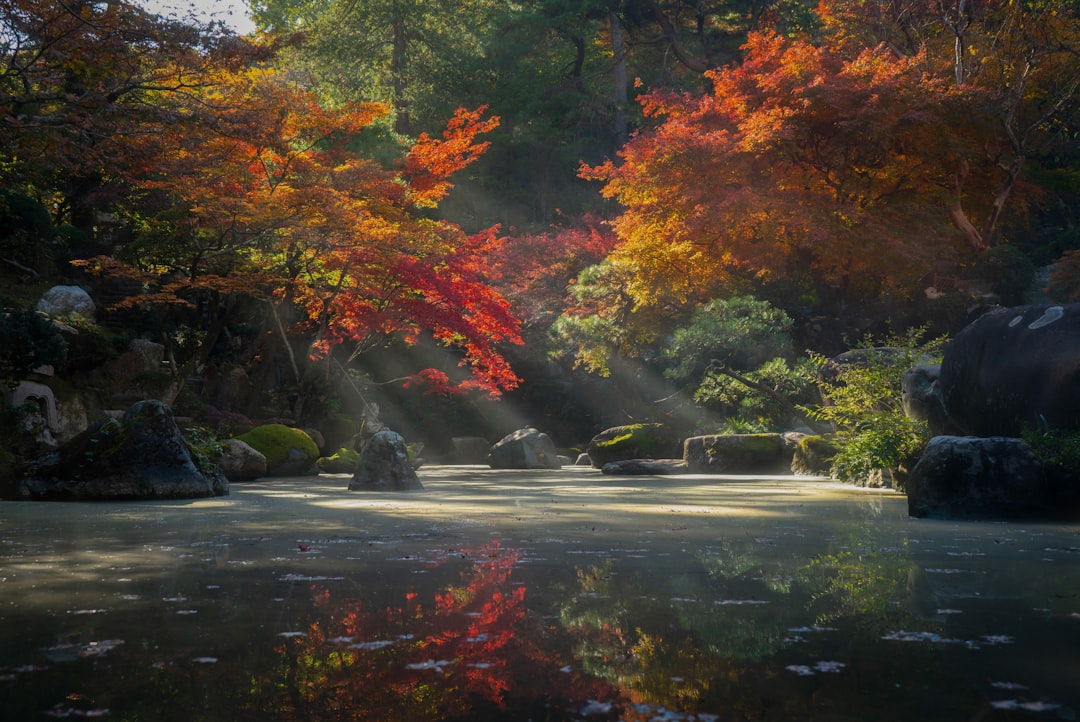
Planning a koyo (autumn foliage) trip to Japan in 2026? Packing for this season is trickier than it looks: you might start the day in a crisp 8°C mountain town and end it in a humid 24°C Tokyo evening. This guide breaks down exactly what to pack, how to layer, and which 2026 travel logistics (JR Pass pricing, IC cards, tax-free shopping rules) you need to know before you go.
Why Autumn Packing in Japan Is Uniquely Tricky
Japan’s autumn foliage season runs roughly from late September in Hokkaido through early December in southern Kyoto and Kyushu, meaning the ‘best’ viewing window shifts dramatically by region and week. Because you may travel from Hokkaido to Kansai in a single two-week itinerary, you could experience near-freezing mountain mornings and warm, muggy city afternoons within the same trip. Add in Japan’s famously variable rainfall in October and November, and you have a packing puzzle that rewards smart layering over bulky suitcases.
The Layering System: Your Autumn Packing Foundation
Forget packing one heavy coat. Japanese autumn rewards a three-layer system that you can add or remove throughout the day.
- Base layer: A moisture-wicking long-sleeve top (merino wool or synthetic) worn under everything. Pack 2-3 for rotation.
- Mid layer: A lightweight fleece, cardigan, or thin down vest that traps warmth without bulk. This is your main comfort layer for chilly mornings at temples or mountain viewpoints.
- Outer layer: A packable, water-resistant shell jacket. Japan’s autumn rain can appear suddenly, especially in October when typhoon remnants pass through, so waterproofing matters more than pure warmth.
By early-to-mid November, evenings in Kyoto, Tokyo, and Osaka can dip to 8-12°C, while daytime highs may still reach 18-20°C. In Hokkaido and Tohoku, expect a full 10 degrees colder overall, with early morning frost possible by late October.
Month-by-Month Temperature Guide
- Late September - early October: Tokyo/Kyoto daytime 22-27°C, evenings 16-19°C. Hokkaido already cooling to 12-18°C daytime.
- Mid-to-late October: Honshu cities 15-21°C daytime, 10-14°C evenings. Peak foliage begins in Tohoku and Nikko.
- November: Kyoto and Tokyo peak foliage, 10-18°C daytime, 5-10°C evenings. Kyushu still mild, 14-20°C.
- Early December: Late foliage lingers in Kyoto and Kyushu; expect 5-12°C daytime and near-freezing nights in some areas.
Footwear: The Most Important Packing Decision
Autumn itineraries typically involve long days of walking on temple gravel, mountain trails, and uneven stone paths (think Arashiyama, Kiyomizu-dera, or the Kurobe Gorge). Pack one pair of broken-in, waterproof walking shoes or light hiking shoes with good tread. Avoid brand-new shoes and avoid pure sneakers with no water resistance, since morning dew and sudden showers are common in wooded foliage spots. A lightweight second pair (sandals or slip-ons) is useful for ryokan stays where indoor shoes are removed constantly.
Rain Gear Is Non-Negotiable
October in Japan often sees the tail end of typhoon season, and November brings its own steady drizzle days, especially in Kyoto and along the Sea of Japan coast. Pack a compact umbrella (or buy an inexpensive one at any konbini for around 500-700 yen) and a packable rain shell. Ponchos are handy if you plan on cycling or hiking foliage trails in Nikko, Nagano, or the Northern Alps.
Electronics and Practical Extras
- Universal plug adapter: Japan uses Type A plugs at 100V, so North American devices work without a voltage converter, but UK/EU/AU travelers need an adapter.
- Portable battery pack: Essential for long days photographing foliage away from outlets.
- Compact camera or phone with a good zoom lens: Autumn colors photograph best in the soft light of early morning or late afternoon.
- Reusable water bottle: Japan has excellent tap water and vending machines, but a bottle reduces waste on long trail days.
- Small day pack: For layers, snacks, and rain gear when exploring foliage trails away from your hotel.
Money, IC Cards, and JR Pass: 2026 Updates You Need to Know
As of 2026, the national JR Pass remains a significant investment after the October 2023 price increase: a 7-day ordinary pass costs approximately 50,000 yen for adults, roughly 70% higher than pre-2023 pricing. For most autumn itineraries mixing Tokyo, Kyoto, and one or two side trips, calculate your actual point-to-point shinkansen costs first, since regional passes (like the JR Tohoku Area Pass or JR Kansai Wide Pass) are often better value for foliage-focused routes. Always confirm current pricing on the official JR Group website before purchasing, as fares are adjusted periodically.
For IC cards, Suica and Pasmo remain the easiest way to pay for trains, buses, and konbini purchases. Mobile Suica on iPhone and compatible Android devices continues to work well for most overseas-issued credit cards as of 2026, though occasional regional card-issuer restrictions can still occur, so keep a backup payment method. If you prefer a physical card, the tourist-oriented Welcome Suica (no deposit, limited validity) is widely available at major airport stations.
Tax-Free Shopping: What’s Changing in 2026
Japan’s consumption tax remains 10% (8% on most food and drink), and tax-free shopping for tourists is still available at eligible stores for purchases typically over 5,000 yen, with your passport required at checkout. However, Japan has announced a shift toward a refund-at-departure system beginning in November 2026, meaning tourists will pay full price in-store and claim their tax refund at the airport before departure, rather than receiving an on-the-spot exemption. If your autumn trip falls close to or after this transition date, check official Japan National Tourism Organization updates before your departure to understand exactly how refunds will be processed during your travel dates.
The Complete Autumn Packing Checklist
- 2-3 moisture-wicking base layer tops
- 1 packable fleece or light down mid-layer
- 1 waterproof, packable outer shell jacket
- 1 pair broken-in waterproof walking shoes
- 1 lightweight secondary pair of shoes for ryokan stays
- Compact umbrella and/or rain poncho
- Scarf and thin gloves for November mountain regions
- Universal plug adapter and portable battery pack
- Reusable water bottle and small day pack
- Passport, IC card, and backup payment card
- Compact camera with zoom capability for foliage shots
Final Tips for a Smooth Autumn Trip
Pack light, prioritize versatile layers over heavy coats, and always check regional weather forecasts a few days before each leg of your trip since koyo season temperatures can swing quickly. With the right layering system, sturdy waterproof shoes, and up-to-date knowledge of 2026 transit and tax-free rules, you’ll be free to focus on what matters most: chasing the crimson maples and golden ginkgo trees across Japan.
Photo by Lucas Calloch on Unsplash