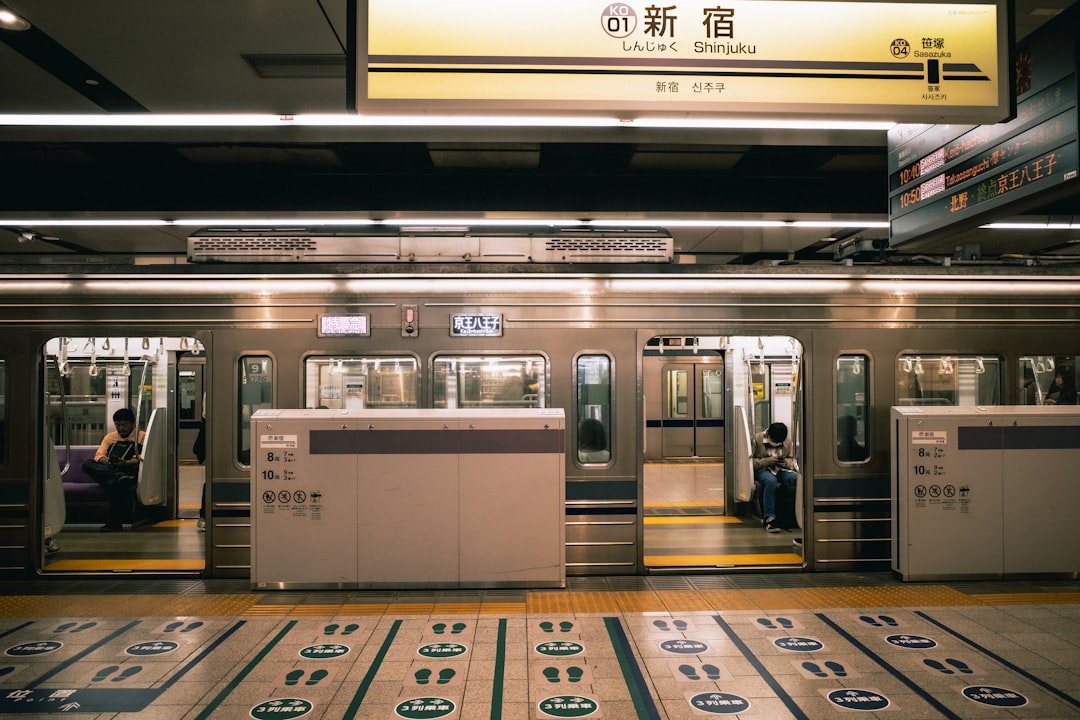

Photo by Johnny Ho on Unsplash
Planning a trip to Japan in 2026 and wondering exactly how many yen to load onto your Suica, Pasmo, or ICOCA card? You’re not alone. One of the most common questions from first-time visitors is how much money to put on an IC card so you don’t run out mid-journey or end up with a pile of unused yen you can’t easily refund. This guide breaks down everything you need to know in 2026, including updated top-up amounts, machine instructions, mobile wallet compatibility, and money-saving tips.
What Exactly Is an IC Card?
IC (Integrated Circuit) cards are rechargeable smart cards used for tap-and-go payments on trains, subways, buses, and even at convenience stores, vending machines, and some restaurants across Japan. The most popular versions are Suica (JR East, Tokyo area), Pasmo (Tokyo private railways and buses), and ICOCA (JR West, Kansai area). As of 2026, these cards are interoperable nationwide, meaning a Suica card works perfectly fine in Osaka, Fukuoka, or Sapporo, and vice versa.
How Many Yen Should You Load Initially?
For most travelers, the golden rule is to start with 2,000 to 3,000 yen for a short trip (2-3 days) focused on a single city, and top up as needed. If you’re planning a longer stay of one to two weeks with multiple cities, loading 5,000 yen upfront is a smart move, since it covers several days of transit without frequent top-ups.
- Day-trippers / single city (1-3 days): 1,500-3,000 yen
- Standard tourist trip (4-7 days): 3,000-5,000 yen
- Extended trip (1-2 weeks, multiple cities): 5,000-8,000 yen, topped up along the way
- Heavy transit users (daily commuting between suburbs): 10,000 yen or more
Remember, IC card fares are typically slightly cheaper than paper tickets, and you avoid the hassle of calculating exact fares at ticket machines every single time.
Minimum and Maximum Top-Up Amounts in 2026
As of 2026, most ticket machines accept top-ups in the following denominations: 1,000, 2,000, 5,000, and 10,000 yen bills. Coins can also be used for smaller top-ups. The maximum balance an IC card can hold is capped at 20,000 yen. If you’re a light user, there’s no need to load the maximum; smaller, frequent top-ups are perfectly fine and machines are available at virtually every station.
Physical Card Deposit
If you purchase a traditional plastic Suica or Pasmo card (rather than the tourist-friendly “Welcome Suica” or digital version), you’ll pay a refundable 500 yen deposit on top of your initial charge. For example, if you want 2,000 yen of usable balance, you’ll actually pay 2,500 yen at purchase. This deposit is returned when you return the card at a station counter before leaving Japan, minus a small handling fee if there’s remaining balance.
Where and How to Load Your IC Card
Loading yen onto your IC card (known as “charging” or “chāji” in Japanese) is simple:
- Ticket machines: Nearly every JR, subway, and private railway station has multilingual touch-screen machines. Insert your card, select “charge,” insert cash, and confirm.
- Convenience store registers: Staff at 7-Eleven, Lawson, and FamilyMart can top up your card with cash at checkout.
- Bus fare boxes: Many city buses allow you to add cash directly when tapping off.
- Mobile wallets: If you’ve added Suica or Pasmo to Apple Pay or Google Pay, you can top up instantly using a linked credit card, no cash machine required.
2026 Update: Foreign Credit Card and Mobile Compatibility
Great news for international travelers: as of 2026, Apple Pay and Google Pay support Suica issuance and top-ups using many foreign-issued Visa and Mastercard credit cards directly from your smartphone, without needing a Japanese bank account. This means you can set up a Mobile Suica before you even land in Japan and load it with yen using your home credit card (note that a small international transaction fee may apply depending on your card issuer). Additionally, several major train stations and airports now feature next-generation ticket machines with expanded English, Chinese, and Korean language support, plus contactless credit card top-up options in addition to cash.
Physical tourist-oriented cards like the “Welcome Suica” (valid for 28 days, no deposit required) remain available at airports including Narita, Haneda, and Kansai International, making them a convenient option if you prefer a physical card without the deposit hassle.
Sample Cost Breakdown: How Fast Does Yen Get Used?
To help you estimate top-up amounts, here’s a rough idea of typical IC card fares in major cities as of 2026:
- Short subway ride in Tokyo: 170-230 yen
- Tokyo to Yokohama by JR train: approximately 480-580 yen
- Local bus ride in Kyoto: 230 yen flat fare
- Osaka subway average ride: 180-330 yen
- Convenience store snack or drink: 150-500 yen (also payable via IC card)
If you’re taking 3-4 train or subway rides per day while sightseeing, budget roughly 1,000-1,500 yen daily just for transit, plus extra if you’re also using your IC card for quick purchases at convenience stores or vending machines.
What Happens to Unused Balance?
Unused yen on your IC card doesn’t expire quickly, physical cards remain valid for up to 10 years of inactivity in many cases. However, if you’re leaving Japan and don’t plan to return soon, you can refund the remaining balance (plus your 500 yen deposit if applicable) at major JR East, JR West, or Pasmo service counters. A small processing fee (typically 220 yen) may be deducted from refunds over a certain amount, so it’s often more economical to spend down your balance on last-minute snacks or souvenirs at the airport before departure rather than requesting a refund.
Digital-Only Options in 2026
If you own a compatible iPhone or Android device with NFC/FeliCa support, skip the physical card entirely. Mobile Suica and Mobile Pasmo let you check your balance, view usage history, and top up instantly via app, all without hunting for a ticket machine. This is increasingly the preferred method for tech-savvy travelers visiting Japan in 2026, since it also eliminates the need to worry about deposit refunds when you leave.
Quick Tips for First-Time Visitors
- Start with 2,000-3,000 yen if unsure, you can always top up at any station.
- Keep small bills (1,000 yen notes) handy for topping up at machines that don’t accept large denominations.
- Consider Mobile Suica/Pasmo via smartphone if your device and card issuer support it, this saves time and avoids the physical deposit.
- Don’t forget your IC card also works for shopping, not just transit, so factor in convenience store purchases when budgeting.
- As of 2026, always check official Suica, Pasmo, or ICOCA websites for the latest fare and top-up rules, since minor policy updates do occur.
Final Thoughts
There’s no single “correct” amount of yen to load onto your IC card, it depends entirely on your itinerary, trip length, and how often you’ll be hopping on trains and buses. As a simple rule of thumb for 2026 travel: load 2,000-3,000 yen for short trips, 5,000 yen for week-long visits, and top up in 1,000-2,000 yen increments as needed. With IC cards now more flexible than ever thanks to mobile wallet integration and foreign card support, getting around Japan has never been easier.