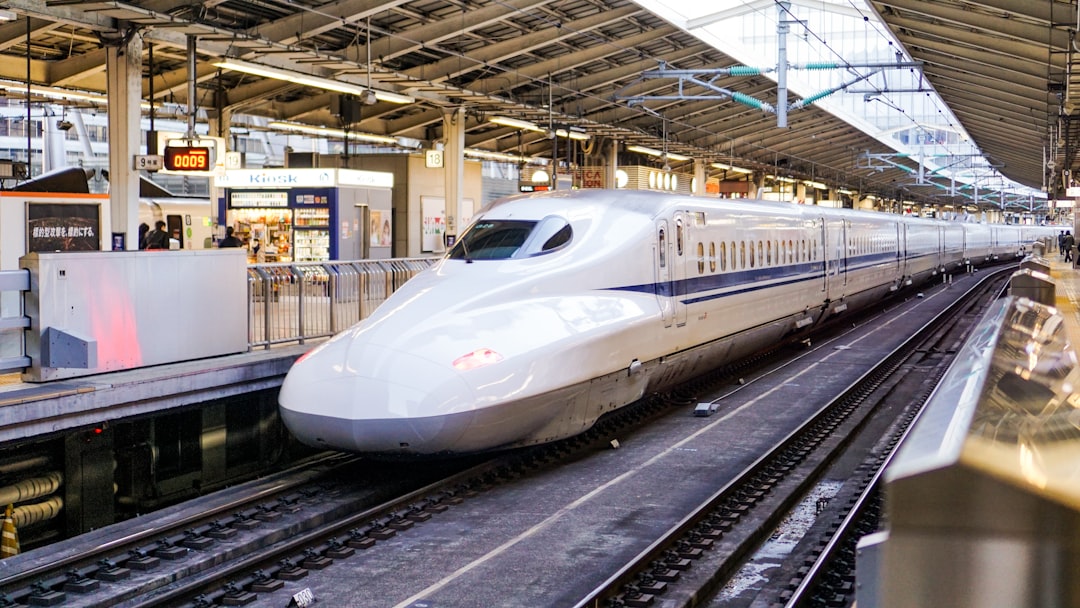

Photo by Fikri Rasyid on Unsplash
Planning a Japan trip in 2026 and wondering if the Japan Rail Pass is still worth the money? You’re not alone. Ever since the dramatic JR Pass price increase took effect in October 2023, travelers have been recalculating whether this once-legendary travel hack still makes sense. As of 2026, the higher pricing structure remains firmly in place, and understanding exactly how it works — along with newer alternatives like regional passes and IC cards — is essential for budgeting your Japan itinerary correctly.
A Quick Recap: Why the JR Pass Price Increased
For decades, the Japan Rail Pass was the ultimate value hack for international visitors, offering unlimited rides on most JR trains (including most Shinkansen bullet trains) for a fraction of what individual tickets would cost. However, in October 2023, JR Group implemented a massive price hike — nearly 70% for the standard 7-day pass — citing rising operational costs, inflation, and the need to modernize rail infrastructure. This increase has remained unchanged through 2025 and into 2026, and there is currently no officially announced further hike, though travelers should always verify pricing directly on the official Japan Rail Pass website before purchasing, since railway companies can adjust fares with limited notice.
Current JR Pass Prices as of 2026
Here is a breakdown of the ordinary (standard) and Green Car (first class) JR Pass prices that remain in effect as of 2026:
Ordinary Car Pricing (Adult)
- 7-Day Pass: 50,000 yen
- 14-Day Pass: 80,000 yen
- 21-Day Pass: 100,000 yen
Green Car Pricing (Adult)
- 7-Day Pass: 70,000 yen
- 14-Day Pass: 110,000 yen
- 21-Day Pass: 140,000 yen
Children aged 6-11 pay roughly half these rates. Compare this to the pre-2023 price of just 29,650 yen for a 7-day ordinary pass, and you can see why so many travelers were caught off guard. As of 2026, always double-check current rates on the official JR Pass website (japanrailpass.net) since regional JR companies occasionally adjust their own supplementary pass pricing.
Is the JR Pass Still Worth It in 2026?
This is the million-yen question. The math has changed significantly. Previously, even a single round trip between Tokyo and Kyoto on the Shinkansen (roughly 27,000-28,000 yen round trip) made the old JR Pass pay for itself almost instantly. With the new pricing, a 7-day pass at 50,000 yen requires more strategic use to break even.
Here’s when the JR Pass still makes sense in 2026:
- You’re doing a long, multi-region itinerary (e.g., Tokyo → Kyoto → Hiroshima → Osaka → Tokyo) within a single 7-day window
- You plan on making at least 2-3 long-distance Shinkansen trips during the pass validity period
- You value the convenience of not having to purchase individual tickets at each station
- You’re combining rail travel with day trips using local JR lines
Here’s when it may NOT be worth it:
- You’re staying primarily in one city or region (Tokyo only, Kansai only, etc.)
- You’re only making one round-trip Shinkansen journey
- Your itinerary relies more on private railways, subways, or buses not covered by JR
A good rule of thumb for 2026 travelers: before buying, map out your planned train routes and check individual ticket prices using Hyperdia or the official JR fare calculator. If the sum of individual tickets is close to or less than the pass price, skip the pass and buy point-to-point tickets or use an IC card instead.
Regional and Area Passes: The Smarter 2026 Alternative
One of the biggest shifts since the 2023 price increase is the growing popularity of regional JR passes, which remain considerably cheaper for travelers focusing on a specific area. As of 2026, popular regional options include:
- JR Kansai Area Pass — ideal for Osaka, Kyoto, Kobe, and Nara
- JR East Tohoku Area Pass — great for northern Japan exploration
- JR Hokkaido Rail Pass — essential for Sapporo, Niseko, and Hakodate trips
- JR Kyushu Rail Pass — covers Fukuoka, Nagasaki, Kumamoto, and beyond
These regional passes often cost between 10,000 and 25,000 yen depending on duration and region, making them far more economical if your trip is concentrated in one area rather than criss-crossing the entire country.
How to Purchase the JR Pass in 2026
Since the price increase, JR has also streamlined the purchasing process. As of 2026, the JR Pass is primarily sold as an exchange order purchased online in advance, which you then exchange for the physical pass (or activate an e-ticket version) at designated stations in Japan. Key points to remember:
- Purchase through the official website or authorized resellers only — avoid third-party markup sites
- The pass must be activated within a specific window from your purchase date, so time your order according to your travel dates
- E-ticket versions are increasingly available on major routes, allowing you to reserve seats via smartphone without needing a physical ticket exchange
- Passport verification is still required, as the JR Pass remains exclusively available to temporary visitors on tourist visas
IC Card Updates for 2026: Suica and Pasmo Compatibility
While the JR Pass conversation dominates headlines, don’t overlook IC cards for shorter trips or as a JR Pass supplement. As of 2026, Suica and Pasmo continue to be essential for navigating city subways, buses, and local trains not covered by rail passes. Recent updates worth knowing:
- Mobile Suica is now widely compatible with international iPhone and select Android models, allowing you to add a virtual Suica card directly to your phone’s wallet app without needing a physical card
- Physical IC card sales for tourists have fluctuated due to chip shortages in past years, so as of 2026 it’s wise to confirm availability at Narita, Haneda, or Kansai airport counters before your trip, or simply rely on the mobile version
- IC cards remain usable for convenience store purchases, vending machines, and even some taxis nationwide
Tax-Free Shopping Reminder for 2026
While you’re budgeting your rail costs, remember that Japan’s consumption tax remains at 10% as of 2026 (8% for select food and beverage items). Tourists can still enjoy tax-free shopping on purchases over 5,000 yen at participating stores by presenting their passport — a helpful way to offset some of the increased travel costs from the JR Pass price hike.
Final Tips for Budgeting Your 2026 Japan Trip
- Always calculate your specific itinerary costs before committing to a nationwide JR Pass
- Consider a hybrid approach: regional pass plus IC card for local transport
- Book Shinkansen reservations early during peak seasons (cherry blossom season, Golden Week, autumn foliage) regardless of which pass you choose
- Check official JR Group and japanrailpass.net sources close to your travel date, as fare adjustments can occur with limited advance notice
The JR Pass price increase reshaped how savvy travelers plan their Japan itineraries, but with careful route planning, it can still deliver excellent value — especially for long, multi-city adventures. As of 2026, doing your homework before purchasing is more important than ever.